

Views: 218 Author: Joseph Publish Time: 2025-01-17 Origin: Site


Content Menu
● Understanding Electric Kettles
>> The Basics of Electric Kettles
>> Components of an Electric Kettle
● The Heating Element: An In-Depth Look
>>> Concealed Heating Elements
>> Materials Used in Heating Elements
>> The Process of Heating Water
● Advantages of Electric Kettles
>> Versatility
● Maintenance and Care of Electric Kettles
>> Cleaning the Heating Element
● Frequently Asked Questions regarding Electric Kettle
>> 1. What is the average wattage of an electric kettle's heating element?
>> 2. How can I prevent mineral buildup in my electric kettle?
>> 3. Are electric kettles safe to use?
>> 4. Can I use my electric kettle for purposes other than boiling water?
>> 5. How do I clean the heating element of my electric kettle?
Electric kettles have become a staple in modern kitchens, providing a quick and efficient way to boil water for various purposes, from making tea to cooking instant noodles. At the heart of this appliance lies the heating element, a crucial component that transforms electrical energy into heat. This article delves into the intricacies of electric kettles, focusing on their heating elements, how they work, and their significance in the overall functionality of the kettle.

Electric kettles are designed to heat water rapidly using electricity. Unlike traditional stovetop kettles, which rely on direct heat from a burner, electric kettles utilize a built-in heating element to achieve boiling temperatures quickly. This design not only saves time but also enhances energy efficiency. The convenience of electric kettles has led to their widespread adoption in homes and offices, where quick access to hot water is often required. Many models also feature automatic shut-off functions, ensuring that the kettle does not continue to heat water once it reaches the desired temperature, further enhancing safety and energy conservation.
An electric kettle typically consists of several key components:
Body: The outer shell, often made of stainless steel, plastic, or glass, which houses the internal components. The choice of material affects not only the kettle's aesthetics but also its durability and heat retention properties.
Heating Element: The part responsible for heating the water. The design and efficiency of the heating element are critical for the kettle's performance.
Thermostat: A device that regulates the temperature and ensures the kettle turns off once the water reaches boiling point. This component is essential for preventing overheating and ensuring user safety.
Power Base: The platform that connects the kettle to the electrical supply. Some models feature a 360-degree swivel base for easy handling.
Lid: Provides access to fill the kettle and helps contain heat. A well-designed lid can also prevent steam from escaping, improving energy efficiency.
The heating element in an electric kettle is a metal component that converts electrical energy into heat through a process known as resistive heating. When electricity flows through the element, its resistance causes it to heat up, thereby warming the water in contact with it. This process is fundamental to the kettle's operation, as the efficiency of the heating element directly impacts how quickly the kettle can bring water to a boil. The design and material of the heating element are engineered to maximize heat transfer while minimizing energy loss.
Electric kettles generally feature two main types of heating elements:
Exposed heating elements are visible and typically consist of a coiled metal wire. This design allows for direct contact with the water, leading to rapid heating. However, exposed elements can be more challenging to clean, as mineral deposits and other residues can accumulate on the surface. Users must be diligent in maintaining these kettles to ensure optimal performance. The rapid heating capability of exposed elements makes them ideal for users who prioritize speed in boiling water.
Concealed heating elements are integrated into the base of the kettle, often covered by a smooth surface. This design not only makes the kettle easier to clean but also enhances safety by preventing direct contact with the heating element. Concealed elements are becoming increasingly popular in modern kettles due to their efficiency and ease of maintenance. They also tend to have a longer lifespan, as they are less exposed to the corrosive effects of water and mineral buildup.
The materials used in the construction of heating elements are crucial for their performance and durability. Most heating elements are made from a nickel-chromium alloy known as nichrome. This material is favored for its excellent resistance to oxidation and high-temperature stability, making it ideal for prolonged use in electric kettles. The choice of material not only affects the heating efficiency but also influences the kettle's overall lifespan. Some manufacturers are exploring alternative materials that offer improved performance and sustainability, reflecting a growing trend towards eco-friendly appliances.
When the kettle is plugged in and turned on, electricity flows through the heating element. The resistance of the nichrome wire generates heat, which is transferred to the water surrounding the element. As the water heats up, it begins to rise in temperature until it reaches its boiling point. The efficiency of this process is influenced by several factors, including the wattage of the heating element and the design of the kettle. Higher wattage elements can boil water more quickly, making them suitable for users who need hot water in a hurry.
The thermostat plays a vital role in the operation of an electric kettle. It monitors the temperature of the water and automatically turns off the heating element once the water reaches boiling point. This feature not only prevents the kettle from overheating but also conserves energy. Advanced models may include additional features, such as variable temperature settings, allowing users to select specific temperatures for different types of beverages. This versatility enhances the user experience, catering to the preferences of tea and coffee enthusiasts who require precise temperatures for optimal flavor extraction.
One of the primary advantages of electric kettles is their speed. They can boil water much faster than traditional stovetop kettles, making them ideal for busy households. The efficiency of the heating element ensures that energy is used effectively, reducing electricity costs. Many electric kettles can bring water to a boil in just a few minutes, which is particularly beneficial for those who need hot water for cooking or preparing beverages quickly. This time-saving feature is a significant reason for the growing popularity of electric kettles in both residential and commercial settings.
Modern electric kettles come equipped with various safety features, including automatic shut-off mechanisms and boil-dry protection. These features prevent the kettle from operating when there is insufficient water, reducing the risk of damage to the heating element and ensuring user safety. Additionally, many kettles have cool-touch exteriors and locking lids to prevent accidental spills and burns. These safety enhancements make electric kettles a reliable choice for families and individuals who prioritize safety in their kitchen appliances.
Electric kettles are not just for boiling water. Many models come with additional features, such as temperature control settings, allowing users to heat water to specific temperatures for different beverages, such as tea or coffee. This versatility enhances the overall user experience, making electric kettles suitable for a wide range of applications beyond just boiling water. Some kettles even include features for brewing tea or making instant soups, further expanding their functionality in the kitchen.
To ensure the longevity of the heating element, regular cleaning is essential. For kettles with exposed elements, users should periodically remove mineral deposits by soaking the element in a mixture of vinegar and water. This simple maintenance task can significantly improve the kettle's efficiency and prolong its lifespan. For concealed elements, wiping the exterior with a damp cloth is usually sufficient. Users should also be mindful of the water quality they use, as hard water can lead to more rapid mineral buildup.
Over time, mineral buildup can affect the performance of the kettle. Descaling the kettle every few months helps maintain its efficiency. Many manufacturers recommend using commercial descaling solutions or natural alternatives like citric acid or vinegar. Regular descaling not only improves the kettle's performance but also enhances the taste of the water, ensuring that beverages prepared with it are free from unwanted flavors. Users should follow the manufacturer's instructions for descaling to avoid damaging the kettle.
To prolong the life of an electric kettle, users should avoid overfilling it, as this can lead to water spilling onto the heating element. Additionally, it is advisable to unplug the kettle when not in use and store it in a dry place to prevent moisture buildup. Regularly checking the power cord for any signs of wear or damage is also important for safety. By following these simple maintenance tips, users can ensure that their electric kettles remain in optimal working condition for years to come.
The heating element is a fundamental component of electric kettles, playing a crucial role in their efficiency and functionality. Understanding how these elements work, their types, and the materials used can help users make informed decisions when purchasing an electric kettle. With their speed, safety features, and versatility, electric kettles continue to be a popular choice for boiling water in households around the world. Proper maintenance and care can ensure that these appliances serve their purpose effectively for years to come, making them a valuable addition to any kitchen. As technology advances, we can expect to see even more innovative features in electric kettles, further enhancing their convenience and usability.
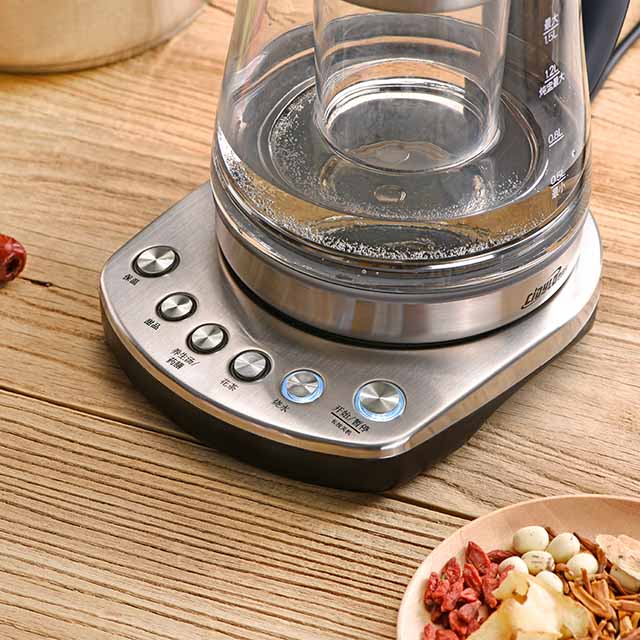
The average wattage of an electric kettle's heating element typically ranges from 1500 to 3000 watts. Higher wattage kettles can boil water more quickly, making them ideal for users who need hot water in a hurry.
To prevent mineral buildup, use filtered or distilled water instead of tap water, which often contains minerals that can accumulate over time. Additionally, regularly descaling the kettle with vinegar or a commercial descaling solution can help maintain its performance.
Yes, electric kettles are generally safe to use. Most modern models come equipped with safety features such as automatic shut-off, boil-dry protection, and cool-touch exteriors to prevent burns. However, it's essential to follow the manufacturer's instructions for safe operation.
Yes, many electric kettles are versatile and can be used for various purposes, such as brewing tea, making instant soups, or even cooking certain foods. Some models come with temperature control settings, allowing users to heat water to specific temperatures for different beverages.
To clean the heating element, fill the kettle with a mixture of equal parts water and vinegar, and let it sit for about an hour. Afterward, boil the mixture and then rinse the kettle thoroughly with clean water. For concealed elements, simply wiping the exterior with a damp cloth is usually sufficient.


