

Views: 222 Author: Rebecca Publish Time: 2025-04-07 Origin: Site


Content Menu
● Introduction to Comfee Electric Tea Kettle
>> Key Features of Comfee Electric Tea Kettle
● How to Use the Comfee Electric Tea Kettle
>> 1. Prepare the Kettle for First Use:
● Troubleshooting Common Issues
● Choosing the Right Comfee Kettle for You
● Tips for Optimal Performance
● Benefits of Using an Electric Kettle
● FAQs
>> 1. How Do I Clean My Comfee Electric Tea Kettle?
>> 2. Can I Use the Comfee Kettle for Purifying Water?
>> 3. How Long Does It Take to Boil Water with the Comfee Kettle?
>> 4. What Safety Features Does the Comfee Kettle Have?
>> 5. Can I Use the Comfee Kettle to Heat Other Liquids?
The Comfee Electric Tea Kettle is a popular choice for those seeking convenience and efficiency in their kitchen. With its sleek design and advanced features, it makes brewing tea, coffee, or even preparing instant meals a breeze. In this article, we will guide you through the steps of using your Comfee Electric Tea Kettle safely and effectively.

Comfee offers a range of electric kettles, each designed with user-friendly features such as rapid boiling, automatic shut-off, and boil-dry protection. These features not only ensure safety but also make the kettle easy to use for anyone.
- Rapid Boiling: Comfee kettles are equipped with powerful heating elements, allowing them to boil water quickly. For example, the Comfee 1.7L Stainless Steel Electric Tea Kettle can boil water in about 4 minutes.
- Automatic Shut-Off: This feature prevents overboiling and ensures the kettle turns off once the water has reached boiling point.
- Boil-Dry Protection: Automatically turns off the kettle if there is no water inside, preventing damage to the heating element.
- 360° Swivel Base: Allows for easy placement and removal of the kettle from the base.
Using the Comfee Electric Tea Kettle is straightforward. Here's a step-by-step guide:
- Fill the kettle to the maximum level with fresh tap water.
- Boil and empty the kettle at least twice to remove any impurities. Do not drink this water.
- Press the lid lock on the handle to open the lid.
- Remove the kettle from the base and fill it with the desired amount of water. Ensure the water level is between the minimum and maximum marks.
- Close the lid and place the kettle back on the base.
- Connect the plug to a power outlet (120V, AC).
- Switch the kettle on by pressing the switch. A light will illuminate to indicate that the kettle is heating.
- The kettle will automatically turn off once the water has boiled or if the kettle is empty.
- Lift the kettle from the base and pour the boiling water into your container.
- Never Leave Unattended: Always supervise the kettle when it is in use.
- Avoid Hot Surfaces: Use the handle to avoid touching hot parts of the kettle.
- Steam Awareness: Be cautious of steam emitted from the spout or lid during refilling.
Regular cleaning is essential to prolong the life of your kettle. Here's how you can do it:
- Unplug the Kettle: Always unplug the kettle before cleaning.
- Use Baking Soda and Vinegar: Mix baking soda and vinegar to clean mineral deposits. Avoid using chemical cleaners or abrasive materials.
- Descaling: If you live in an area with hard water, descaling your kettle regularly can help prevent mineral buildup.
Sometimes, you might encounter issues with your kettle. Here are some common problems and their solutions:
- Kettle Not Turning On: Check if the power cord is properly connected and if the outlet is working.
- Kettle Not Boiling: Ensure the water level is above the minimum mark and that the kettle is placed correctly on the base.
- Noise During Operation: Some noise is normal, but excessive noise could indicate a problem with the heating element or mineral buildup.
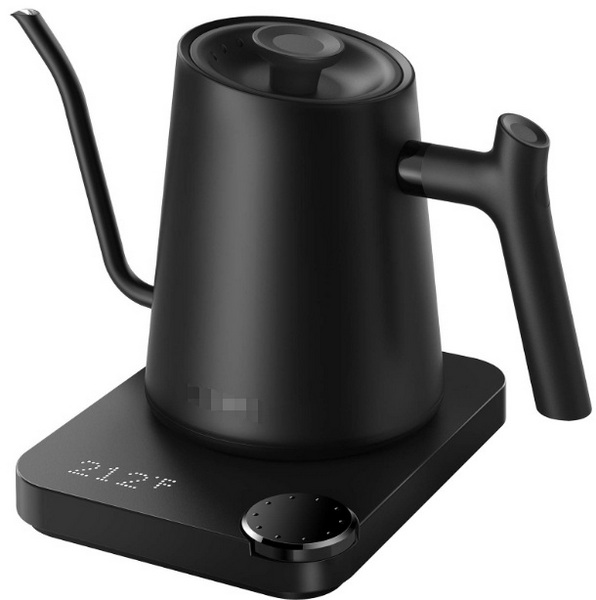
Comfee offers a variety of electric kettles with different capacities and features. Here are some factors to consider when choosing the right one for your needs:
- Capacity: If you often make tea or coffee for multiple people, a larger capacity kettle like the 1.7L model might be more suitable.
- Material: Stainless steel kettles are durable and resistant to corrosion, while glass kettles offer visibility and a non-reactive surface.
- Additional Features: Some models may include features like variable temperature control or a keep-warm function.
To ensure your Comfee kettle performs optimally, consider these tips:
- Regular Cleaning: Regularly clean your kettle to prevent mineral buildup.
- Proper Storage: Store the kettle in a dry place when not in use.
- Avoid Overfilling: Always leave some space at the top to prevent spills during boiling.
Electric kettles like the Comfee offer several benefits over traditional stovetop kettles:
- Speed: Electric kettles boil water much faster than stovetop kettles.
- Energy Efficiency: They are designed to use energy efficiently, turning off automatically when the water boils.
- Safety: Features like automatic shut-off and boil-dry protection enhance safety.
The Comfee Electric Tea Kettle is a versatile and efficient kitchen appliance designed to make your daily routine easier. With its rapid boiling time, automatic shut-off, and boil-dry protection, it ensures both safety and convenience. By following the steps outlined in this guide, you can enjoy perfectly brewed tea or coffee every time.

Here are some frequently asked questions about using the Comfee Electric Tea Kettle:
To clean your Comfee kettle, mix baking soda and vinegar to remove mineral deposits. Always unplug the kettle and let it cool before cleaning. Avoid using chemical cleaners or abrasive materials.
While the Comfee kettle can boil water, it is not specifically designed for water purification. However, boiling water is a common method for purifying it.
The boiling time varies depending on the model and water volume. Generally, it takes about 4 minutes to boil 1.7 liters of water.
The Comfee kettle features automatic shut-off and boil-dry protection to prevent accidents and ensure safe operation.
No, it is recommended to use the Comfee kettle only for heating water. Heating other liquids could damage the kettle or pose safety risks.


