

Views: 222 Author: Rebecca Publish Time: 2025-04-04 Origin: Site


Content Menu
● Introduction to Prestige Electric Kettles
>> Tools Needed
>> 5. Water Level Sensor Issues
>> Troubleshooting Common Problems
>> Preventing Limescale Buildup
>> Replacing the Control Board
● FAQ
>> 1. How Do I Check if My Kettle's Heating Element is Working?
>> 2. Why Does My Kettle Not Turn On?
>> 3. How Often Should I Descale My Kettle?
>> 4. Can I Repair My Kettle's Thermostat Myself?
>> 5. What Safety Precautions Should I Take When Repairing an Electric Kettle?
Repairing a Prestige electric kettle can be a cost-effective and efficient way to extend its lifespan. This guide will walk you through common issues and step-by-step repair methods for your Prestige electric kettle.
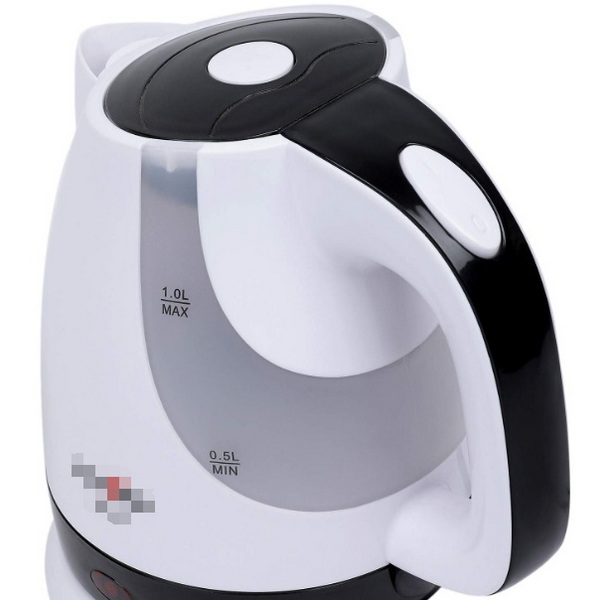
Prestige electric kettles are popular for their durability and ease of use. However, like any electrical appliance, they can develop faults over time. Common issues include failure to heat, faulty switches, and limescale buildup. Before diving into repairs, ensure you have a basic understanding of electrical safety and the tools required for the job.
- Screwdriver set: For disassembling the kettle.
- Multimeter: To check for continuity and voltage.
- Pliers and wire cutters: For handling wires.
- Descale solution: To remove limescale buildup.
If your Prestige electric kettle is not heating, the issue could be with the heating element or the thermostat.
1. Check the Power Source: Ensure the kettle is properly plugged into a functioning outlet.
2. Inspect the Heating Element: Use a multimeter to check for continuity. If the element is damaged, consider replacing it.
3. Check the Thermostat: If the thermostat is faulty, it might prevent the kettle from heating. You can replace it if necessary.
A faulty switch can prevent the kettle from turning on.
1. Clean the Switch: Use a damp cloth to clean any corrosion.
2. Replace the Switch: If cleaning doesn't work, you may need to replace the switch.
3. Check for Loose Connections: Ensure all connections are secure.
Limescale can reduce the kettle's efficiency and affect its performance.
1. Descale the Kettle: Use a descale solution or vinegar to remove limescale.
2. Regular Cleaning: Regularly clean the kettle to prevent future buildup.
If the kettle has overheated, its protection mechanism might have been activated.
1. Allow Cooling: Let the kettle cool down completely.
2. Check for Blockages: Ensure there are no blockages in the steam vent.
If the kettle has a water level sensor, ensure it is not blocked.
1. Check Water Level: Ensure there is enough water to activate the sensor.
2. Clean the Sensor: Use a soft brush to clean any debris.
To access internal components, you may need to disassemble the kettle.
1. Remove the Base: Use a screwdriver to remove the screws holding the base.
2. Disconnect Wires: Carefully disconnect any wires connected to the base.
3. Access Internal Components: Once disassembled, you can inspect and repair internal components like the heating element or thermostat.
- Electrical Safety: Always unplug the kettle before attempting repairs.
- Use Protective Gear: Wear gloves and safety glasses when handling electrical components.
Regular maintenance can extend the life of your kettle. Here are some tips:
- Clean the Exterior: Regularly wipe down the exterior with a damp cloth to prevent dust buildup.
- Check for Leaks: Ensure there are no leaks around the lid or base.
- Store Properly: Store the kettle in a dry place when not in use.
Before diving into repairs, try these troubleshooting steps:
- Reset the Kettle: Some kettles have a reset button. Check your user manual for instructions.
- Check for Blockages: Ensure the steam vent and water inlet are clear.
- Consult the User Manual: Refer to the user manual for specific troubleshooting tips.
Using the right tools can make repairs easier and safer:
- Use Insulated Tools: When handling electrical components, use insulated tools to prevent shock.
- Choose the Right Screwdriver: Ensure your screwdriver fits the screws on your kettle to avoid stripping them.
To prevent limescale buildup, consider these methods:
- Use Filtered Water: If possible, use filtered water to reduce mineral content.
- Regular Descaling: Regularly descale your kettle to maintain efficiency.
- Avoid Overfilling: Don't overfill the kettle, as this can lead to more frequent boiling and increased limescale buildup.
For more complex issues, you may need to delve deeper into the kettle's electronics. This includes checking for faulty capacitors or replacing the control board.
Capacitors can fail over time, causing issues with the kettle's operation.
- Use a Multimeter: Check the capacitor's capacitance and ensure it matches the specifications.
- Replace if Necessary: If the capacitor is faulty, replace it with a new one of the same specifications.
If the control board is damaged, you may need to replace it entirely.
- Identify the Board: Locate the control board and disconnect all connections.
- Purchase a Replacement: Buy a compatible control board from the manufacturer or a third-party supplier.
- Install the New Board: Carefully connect all wires to the new board and reassemble the kettle.
Repairing a Prestige electric kettle can be straightforward if you identify the issue correctly and follow the right steps. Always ensure safety when dealing with electrical appliances, and consider seeking professional help if you are unsure.

To check if your kettle's heating element is working, use a multimeter to test for continuity. If there is no continuity, the element may be damaged and needs replacement.
Your kettle might not turn on due to a faulty switch, loose connections, or overheating protection being activated. Check these areas and ensure the kettle is properly plugged in.
You should descale your kettle every 3 to 6 months, depending on usage and water hardness. Regular descaling helps maintain efficiency and prolongs the kettle's lifespan.
While it's possible to replace a thermostat yourself, it requires some technical knowledge. If you're unsure, it's best to consult a professional electrician.
Always unplug the kettle before starting repairs. Wear protective gear like gloves and safety glasses to prevent electrical shock or injury.


