

Views: 222 Author: Rebecca Publish Time: 2025-04-03 Origin: Site


Content Menu
● Introduction to Stains in Electric Kettles
>> Why Clean Your Electric Kettle?
>> 2. Using Lemon Juice or Citric Acid
● Cleaning the Exterior of Your Electric Kettle
● Tips for Regular Maintenance
>> Keep the Lid and Spout Clean
● Advanced Cleaning Techniques
● FAQ
>> 1. How Often Should I Clean My Electric Kettle?
>> 2. Can I Use Dish Soap Inside My Electric Kettle?
>> 3. How Do I Remove Stubborn Stains from My Electric Kettle?
>> 4. Can I Put My Electric Kettle in the Dishwasher?
>> 5. How Do I Prevent Limescale Buildup in My Electric Kettle?
Electric kettles are a staple in many kitchens, providing a quick and efficient way to boil water for tea, coffee, and other beverages. However, over time, they can accumulate stains and mineral deposits, which not only affect their appearance but also their performance and the taste of the water. Removing these stains is essential to maintain your kettle's efficiency and ensure the quality of your drinks. In this article, we will explore various methods to remove stains from electric kettles, including using vinegar, lemon juice, citric acid, and baking soda.
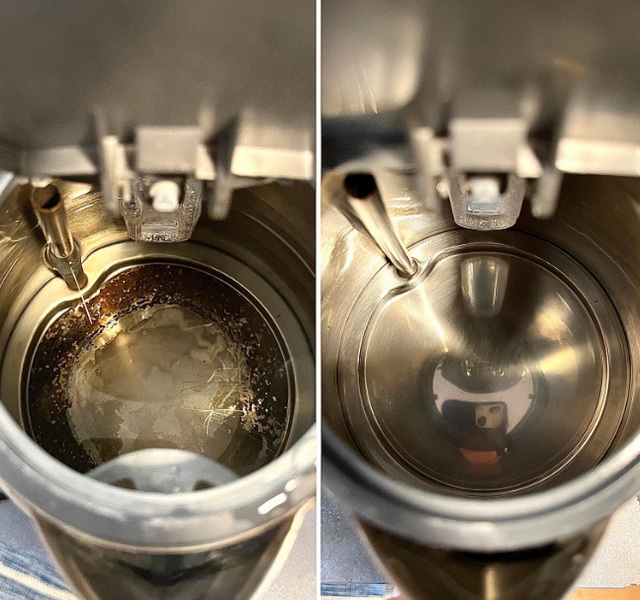
Stains in electric kettles are primarily caused by mineral deposits, known as limescale, which form when water is boiled. These deposits can lead to a chalky residue that affects the kettle's heating efficiency and the flavor of the water. Regular cleaning is crucial to prevent these issues.
- Efficiency: Cleaning helps maintain the kettle's heating efficiency, ensuring it boils water quickly.
- Taste: Removes mineral deposits that can affect the taste of your beverages.
- Hygiene: Prevents bacterial growth and keeps your kettle hygienic.
Vinegar is one of the most effective and commonly used methods for removing stains and mineral deposits from electric kettles. Its mild acidity helps break down limescale without damaging the kettle.
1. Mix Vinegar and Water: Combine one part white distilled vinegar with three parts water in the kettle. You don't need to fill it completely; about half to two-thirds is sufficient.
2. Boil the Mixture: Bring the vinegar-water mixture to a boil, then turn off the kettle.
3. Let it Sit: Allow the mixture to sit for about 30 minutes to an hour. For tougher stains, you can let it sit overnight.
4. Rinse Thoroughly: Discard the mixture and rinse the kettle with fresh water several times to remove any lingering vinegar taste or smell.
5. Dry the Kettle: Use a towel to dry the kettle, both inside and out.
Lemon juice and citric acid are natural alternatives to vinegar, offering a fresh citrus scent while cleaning.
1. Add Lemon Juice or Citric Acid: Fill the kettle halfway with water and add 2 tablespoons of lemon juice or citric acid powder.
2. Boil the Mixture: Bring the mixture to a boil, then turn off the kettle.
3. Let it Sit: Allow the mixture to sit for about 20 minutes.
4. Rinse Thoroughly: Discard the mixture and rinse the kettle with fresh water several times.
5. Dry the Kettle: Use a towel to dry the kettle.
Baking soda is a gentle abrasive that can help remove stubborn stains without scratching the kettle.
1. Make a Baking Soda Paste: Mix 1 to 2 teaspoons of baking soda with a small amount of water to form a paste.
2. Apply the Paste: Use a soft sponge or cloth to apply the paste to the stained areas inside the kettle.
3. Let it Sit: Allow the paste to sit for about 10 to 15 minutes.
4. Scrub and Rinse: Gently scrub the area with a soft sponge or cloth, then rinse the kettle thoroughly with fresh water.
5. Dry the Kettle: Use a towel to dry the kettle.
While the interior is crucial for performance, the exterior also needs regular cleaning to maintain its appearance and prevent grime buildup.
1. Mix Soap and Water: Create a sudsy mixture of dish soap and water.
2. Dampen a Cloth: Dip a cloth into the mixture, wring it out so it's damp but not soaking wet.
3. Wipe Down the Kettle: Use the cloth to wipe down the exterior of the kettle, paying attention to the lid and spout.
4. Rinse with Clean Water: Use a clean, damp cloth to wipe away any soap residue.
5. Dry the Kettle: Use a dry cloth to dry the kettle.

- Clean Regularly: Aim to clean your kettle every 3 to 6 months, depending on usage.
- Avoid Harsh Chemicals: Never use abrasive cleaners or bleach, as they can damage the kettle.
- Check the Filter: If your kettle has a filter, clean it regularly by rinsing it under water and wiping it with a clean cloth.
Overboiling, when water is left in the kettle for too long after it has boiled, can lead to mineral buildup and affect the heating element. To prevent this:
- Only Boil What You Need: Boil the amount of water you need, not more. This not only saves energy but also reduces the chances of overboiling.
The lid and spout of your electric kettle can accumulate residue from boiling water and steam. Periodically, remove and clean these parts separately to ensure they do not affect the taste of your water.
When not in use, store your electric kettle with the lid open to allow any residual moisture to evaporate. This helps prevent the growth of mold or mildew inside the kettle.
- Washing with Running Water: Avoid washing the kettle with running water, as this can damage the electrical components. Instead, use a damp cloth for exterior cleaning and vinegar or lemon solutions for the interior[2].
- Using Harsh Chemicals: Never use bleach or abrasive cleaners, as they can damage the kettle's finish or harm its electrical components.
For more stubborn stains or mineral buildup, you can use a combination of methods. For example, after using vinegar, you can apply a baking soda paste to further scrub away any remaining stains.
Cleaning your electric kettle is a simple yet essential task to maintain its efficiency and ensure the quality of your beverages. Whether you use vinegar, lemon juice, citric acid, or baking soda, these methods are effective and easy to implement. Regular maintenance will extend the life of your kettle and keep it performing at its best.
You should clean your electric kettle every 3 to 6 months, depending on how frequently you use it. Regular cleaning helps prevent mineral buildup and maintains the kettle's efficiency.
It's generally not recommended to use dish soap inside an electric kettle. Vinegar, lemon juice, or baking soda are safer alternatives for removing stains and mineral deposits without leaving residue.
For stubborn stains, you can let the cleaning solution (vinegar, lemon juice, or baking soda paste) sit overnight before rinsing. This allows the solution to penetrate and break down the stains more effectively.
No, you should not put your electric kettle in the dishwasher. Water and high temperatures can damage the electrical components. Instead, clean it manually using the methods described above.
To prevent limescale buildup, clean your kettle regularly and consider using filtered water, which has fewer minerals that contribute to limescale formation.
[1] https://www.marthastewart.com/how-to-clean-electric-kettle-8787679
[2] https://www.kent.co.in/blog/precautions-to-consider-when-using-an-electric-kettle/
[3] https://www.businessinsider.com/guides/kitchen/how-to-clean-an-electric-kettle
[4] https://geepas.co.uk/blogs/magazine/electric-kettle-maintenance-101
[5] https://www.bhg.com.au/lifestyle/cleaning/how-to-descale-kettle-with-lemon/
[6] https://www.crompton.co.in/blogs/kitchen-appliances-guide/how-to-clean-an-electric-kettle-in-8-easy-steps
[7] https://www.thespruce.com/how-to-clean-electric-kettle-4801958
[8] https://royalelectronicsgroup.com/2021/07/21/electric-kettle-maintenance-tips/
[9] https://www.reddit.com/r/CleaningTips/comments/16zjfjd/what_are_those_stains_on_my_kettle_and_how_to/
[10] https://mollymaid.ca/cleaning-tips/how-to-remove-limescale-from-an-electric-kettle/
[11] https://www.foodnetwork.com/how-to/packages/food-network-essentials/how-to-clean-an-electric-kettle
[12] https://www.yongkeng.com/what-are-the-best-practices-for-cleaning-and-maintaining-an-electric-kettle.html
[13] https://steepster.com/discuss/4923-electric-kettle-limescale-prevention
[14] https://www.ndtvshopping.com/deals/how-to-clean-and-maintain-your-electric-kettle-for-optimal-performance-7069556
[15] https://www.reddit.com/r/CleaningTips/comments/txw3cg/how_do_i_get_hard_water_deposits_out_of_our/
[16] https://www.goodhousekeeping.com/home/cleaning/a40707243/how-to-clean-electric-kettle/
[17] https://www.ghanaweb.com/blogs/mercy360/9-Out-of-10-Households-Make-This-Mistake-When-Boiling-Water-with-an-Electric-Kettle-5312
[18] https://moorgen.hk/blogs/moorgenzine/smart-living-5-energy-saving-tips-for-electric-kettles
[19] https://www.bbcgoodfood.com/howto/how-to-descale-a-kettle/
[20] https://www.reddit.com/r/tea/comments/4q5eio/how_do_i_clean_whatever_is_in_my_electric_kettle/


