

Views: 222 Author: Rebecca Publish Time: 2025-04-01 Origin: Site


Content Menu
● Methods to Remove Brown Spots
>> 1. Vinegar and Water Solution
>> 4. Commercial Descaling Products
● Advanced Cleaning Techniques
>> Cleaning Different Materials
● FAQs
>> 1. What causes brown spots in electric kettles?
>> 2. Can I use bleach to clean my kettle?
>> 3. How often should I clean my kettle?
>> 4. Is it safe to use commercial descalers?
>> 5. Can I mix baking soda and vinegar together for cleaning?
Brown spots in an electric kettle are often caused by mineral deposits, particularly from hard water, and can also be influenced by tea or coffee residues. These stains not only affect the appearance of your kettle but can also impact the taste of your beverages. In this article, we will explore various methods to remove these brown spots effectively, ensuring your kettle remains clean and functional.

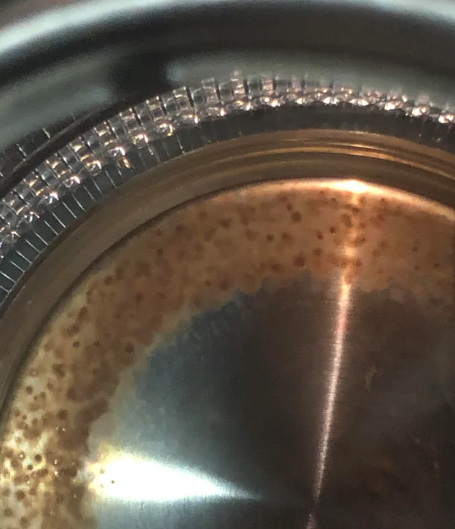
Brown spots in electric kettles are primarily due to the buildup of minerals like calcium and magnesium, which are prevalent in hard water. When water is heated, these minerals precipitate out and form deposits on the kettle's interior. Additionally, residues from tea and coffee can contribute to discoloration, especially if the kettle is not cleaned regularly.
1. Hard Water: Areas with hard water have higher concentrations of minerals, leading to faster buildup.
2. Tea and Coffee Residues: Regular use for brewing tea or coffee can leave behind stains.
3. Lack of Maintenance: Infrequent cleaning allows mineral deposits to accumulate.
Vinegar is a natural acid that effectively dissolves mineral deposits. Here's how to use it:
- Step 1: Fill the kettle halfway with equal parts water and white vinegar.
- Step 2: Bring the solution to a boil and let it sit for about 30 minutes to an hour.
- Step 3: Pour out the solution and rinse the kettle thoroughly with clean water.
- Step 4: Wipe the interior with a soft cloth or sponge to remove any remaining stains.
Lemon juice offers a natural and refreshing alternative to vinegar. The citric acid in lemons breaks down mineral deposits effectively.
- Step 1: Fill the kettle with half water and half fresh lemon juice (or add sliced lemons).
- Step 2: Bring the lemon solution to boil, then turn off the kettle.
- Step 3: Let the solution sit for 30 minutes to break down the limescale.
- Step 4: Discard the liquid, rinse with fresh water, and boil clean water to remove any citrus residue.
Baking soda is a versatile cleaning agent that can tackle tough stains effectively.
- Step 1: Create a paste by mixing baking soda with a small amount of water.
- Step 2: Apply the paste to the stained areas inside the kettle.
- Step 3: Let it sit for about 15-20 minutes, then scrub gently with a soft sponge.
- Step 4: Rinse thoroughly with clean water to remove any residue.
For heavy mineral buildup, commercial descalers can be more effective. These products are specifically designed for cleaning appliances like kettles.
- Step 1: Follow the instructions on the descaling product.
- Step 2: Fill the kettle with water, add the descaling solution, and boil the mixture.
- Step 3: Let it sit for the recommended amount of time (usually 15-30 minutes).
- Step 4: Discard the solution, rinse thoroughly, and boil fresh water twice to remove any residue.
Preventing mineral buildup is key to maintaining your kettle's appearance and functionality. Here are some tips:
1. Use Filtered Water: If possible, use filtered or distilled water in your kettle to reduce mineral deposits.
2. Clean Regularly: Make it a habit to clean your kettle at least once a month.
3. Avoid Leaving Water in the Kettle: After use, avoid leaving water in the kettle for extended periods.
4. Store Properly: Store your kettle in a dry place with the lid open to allow air circulation.
The exterior of your kettle also requires attention to maintain its appearance and prevent damage.
1. Use a Soft Cloth: Wipe the exterior with a soft, damp cloth to remove fingerprints and water spots.
2. Mild Dish Soap: For tougher stains, use a mild dish soap solution, but avoid abrasive cleaners.
3. Dry Thoroughly: After cleaning, dry the kettle with a microfiber cloth to prevent streaks.
Descaling is essential for maintaining the efficiency of your kettle. Regular descaling helps prevent mineral buildup on the heating element, ensuring your kettle continues to boil water quickly.
If your kettle has a removable filter, clean it regularly by soaking it in a solution of hot water and vinegar. This helps remove mineral deposits and debris.
Boiling more water than needed can lead to increased mineral buildup. Only boil the amount of water you require to reduce this risk.
Always unplug your kettle before cleaning and ensure it is completely cooled down. Store the kettle with the lid open to prevent moisture accumulation, which can lead to mold or mildew.
For particularly stubborn stains or heavy mineral buildup, you can let the cleaning solution sit overnight before rinsing. This method is especially effective for kettles that have not been cleaned in a long time.
Citric acid powder is another effective natural descaler. Mix it with water according to the manufacturer's instructions and let it sit for about an hour before rinsing.
Whether your kettle is made of stainless steel, glass, or ceramic, the cleaning methods remain similar. However, for stainless steel kettles, you can use a stainless steel cleaner to maintain its shine.
Removing brown spots from an electric kettle is straightforward with the right methods. Whether you prefer natural solutions like vinegar or lemon juice, or opt for commercial descalers, regular maintenance is crucial to keep your kettle in excellent condition. By following these tips, you can ensure your kettle remains clean, efficient, and continues to provide great-tasting beverages.

Brown spots in electric kettles are primarily caused by mineral deposits from hard water and residues from tea or coffee.
No, bleach is not recommended for cleaning electric kettles as it can leave harmful residues and damage the kettle's interior.
It is recommended to clean your electric kettle at least once a month, or more frequently if you notice mineral buildup or stains.
Yes, commercial descalers are safe to use as long as you follow the manufacturer's instructions. They are specifically designed for cleaning appliances like kettles.
While both baking soda and vinegar are effective cleaning agents, it is not advisable to mix them together in the kettle. The reaction between the two can create a lot of fizzing and may not be effective for cleaning. Use them separately for the best results.
[1] https://www.marthastewart.com/how-to-clean-electric-kettle-8787679
[2] https://www.thespruce.com/how-to-clean-electric-kettle-4801958
[3] https://www.ndtvshopping.com/deals/how-to-clean-and-maintain-your-electric-kettle-for-optimal-performance-7069556
[4] https://www.crompton.co.in/blogs/kitchen-appliances-guide/how-to-clean-an-electric-kettle-in-8-easy-steps
[5] https://www.kent.co.in/blog/precautions-to-consider-when-using-an-electric-kettle/
[6] https://geepas.co.uk/blogs/magazine/electric-kettle-maintenance-101
[7] https://www.goodhousekeeping.com/home/cleaning/a40707243/how-to-clean-electric-kettle/
[8] https://www.yongkeng.com/what-are-the-best-practices-for-cleaning-and-maintaining-an-electric-kettle.html
[9] https://www.yongkeng.com/how-do-you-clean-and-maintain-your-electric-kettle-for-long-term-use.html
[10] https://www.reddit.com/r/tea/comments/4q5eio/how_do_i_clean_whatever_is_in_my_electric_kettle/
[11] https://www.ghanaweb.com/blogs/mercy360/9-Out-of-10-Households-Make-This-Mistake-When-Boiling-Water-with-an-Electric-Kettle-5312
[12] https://www.astro.net.nz/knowledge-base/articles/posts/2022/may/how-do-i-keep-my-kettles-clean/
[13] https://ao.com/athome/lifestyle/cleaning-tips/cleaning-kettles
[14] https://www.reddit.com/r/CleaningTips/comments/iamyjv/made_a_big_mistake_when_cleaning_an_electric/
[15] https://www.reddit.com/r/tea/comments/51tzo8/is_this_mold_or_rust_forming_in_my_electric/
[16] https://www.allrecipes.com/article/electric-kettle-cleaning-tip/
[17] https://www.ndtvshopping.com/deals/10-mistakes-to-avoid-while-using-an-electric-kettle-7966533
[18] https://www.businessinsider.com/guides/kitchen/how-to-clean-an-electric-kettle
[19] https://www.youtube.com/watch?v=aZvmze9kixY
[20] https://www.lowes.com/n/how-to/clean-electric-kettle-and-remove-hard-water-buildup


