

Views: 222 Author: Rebecca Publish Time: 2025-03-30 Origin: Site


Content Menu
● Cultural Significance of Onsen Eggs
>> 1. What is the Ideal Temperature for Cooking Onsen Eggs?
>> 2. How Long Should I Cook Onsen Eggs?
>> 3. Can I Use a Regular Kettle Without Temperature Control?
>> 4. Why Do Onsen Eggs Need to Be Chilled After Cooking?
>> 5. What Are Some Common Dishes to Serve Onsen Eggs With?
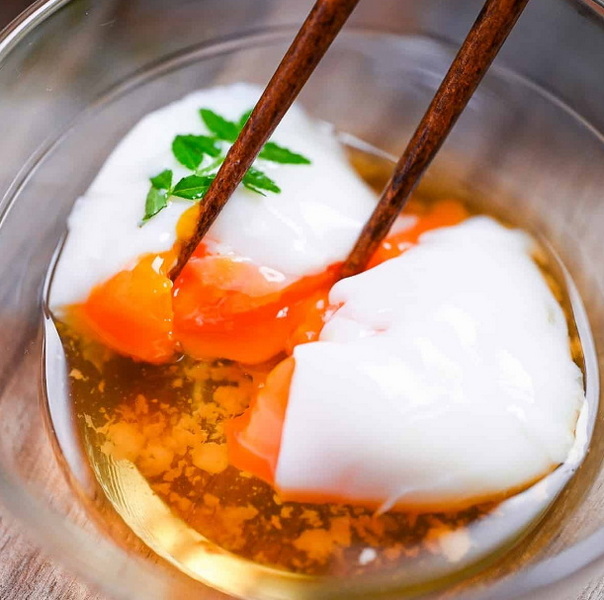
Onsen eggs, or Japanese hot spring eggs, are renowned for their silky egg whites and custard-like yolks. Traditionally, they are cooked in the natural hot springs of Japan, but you can easily replicate this delicacy at home using an electric kettle. This article will guide you through the process of making onsen eggs with an electric kettle, including tips and variations to enhance your culinary experience.

Onsen eggs are a staple in Japanese cuisine, often served as a garnish for dishes like ramen, udon, or donburi. The unique texture of these eggs is achieved by cooking them in water at a precise temperature, typically between 145°F and 170°F (63°C to 77°C), which is lower than boiling point. This method ensures that the egg whites are set while the yolks remain runny and creamy.
To make onsen eggs using an electric kettle, you will need:
- Electric Kettle with Temperature Control: This is crucial for maintaining the precise temperature required for cooking onsen eggs.
- Heat-Safe Bowl: A ceramic or glass bowl that can withstand hot water.
- Eggs: Fresh eggs are essential for the best results.
- Optional: Paper Towel: For preventing hot spots and ensuring even cooking.
1. Fill the Kettle: Add enough water to the kettle to fully submerge the eggs. For most kettles, about 3 to 4 cups of water should suffice.
2. Heat the Water: Use the kettle's temperature control to heat the water to about 165°F (74°C). This temperature is slightly higher than the ideal cooking temperature to account for cooling during the process.
1. Chill the Eggs: Ensure the eggs are cold by keeping them in the refrigerator until you are ready to cook.
2. Add Eggs to the Bowl: Once the water has reached the desired temperature, carefully place the eggs into the heat-safe bowl.
1. Pour Hot Water Over Eggs: Pour the heated water from the kettle over the eggs in the bowl.
2. Add a Protective Layer (Optional): Place a piece of paper towel at the bottom of the bowl to prevent hot spots and ensure even cooking.
3. Maintain Temperature: If your kettle has a keep-warm function, use it to maintain the water temperature around 165°F (74°C).
4. Set Timer: Set a timer for 14 to 15 minutes. This cooking time will yield eggs with runny yolks and set whites.
1. Transfer to Ice Bath: After the timer goes off, immediately transfer the eggs to an ice bath to stop the cooking process.
2. Chill for 5 Minutes: Let the eggs chill for about 5 minutes to make them easier to peel.
Onsen eggs are versatile and can be served in various dishes:
- Ramen: A classic combination where the egg adds richness and depth.
- Udon or Soba Noodles: Adds a creamy element to these Japanese noodle dishes.
- Rice Bowls: Serve on top of steamed rice with dashi sauce for a simple yet satisfying meal.
- Temperature Control: The key to making perfect onsen eggs is maintaining the right temperature. If your kettle doesn't have precise temperature control, you may need to adjust the cooking time based on trial and error.
- Cooking Time: Adjust the cooking time based on your preference for yolk consistency. Longer times will result in firmer yolks.
- Dashi Sauce: Serve with a drizzle of dashi sauce (made from dashi stock, soy sauce, and mirin) for added umami flavor.
If you don't have an electric kettle with temperature control, you can use alternative methods to achieve similar results:
- Stovetop Method: Boil water in a pot, then turn off the heat and add cold water to bring the temperature down to the desired range. Place the eggs in the water and cover the pot to maintain the temperature[1][4].
- Rice Cooker Method: Some rice cookers have a setting for cooking eggs at a low temperature, which can be ideal for making onsen eggs[3].
- Sous Vide Method: This method provides the most precise temperature control, allowing for consistent results every time[3].
Onsen eggs are deeply rooted in Japanese culture, named after the hot springs where they were traditionally cooked. The word "onsen" translates to "hot spring," and "tamago" means "egg." Historically, these eggs were cooked in the warm waters of Japan's hot springs, which are believed to have medicinal and spiritual benefits[3][5].
The history of onsen eggs dates back centuries, with stories of travelers accidentally leaving eggs in hot springs and discovering them cooked to perfection upon return[7]. Today, onsen eggs are enjoyed not only in Japan but worldwide, often served with a dashi-based sauce and garnished with green onions.
Onsen eggs are a nutritious addition to any meal, providing protein and essential vitamins and minerals. The low-temperature cooking method helps preserve these nutrients, making them a healthier option compared to high-heat cooking methods.
While traditional onsen eggs are cooked in their shells, modern variations include using sous vide machines for precise temperature control or adding different seasonings to the dashi sauce for unique flavors. Experimenting with these variations can enhance your culinary experience and introduce new flavors to your dishes.
Making onsen eggs with an electric kettle is a straightforward process that requires minimal equipment but offers a rich culinary experience. By following these steps and tips, you can enjoy this Japanese delicacy in the comfort of your own home. Whether you're a fan of Japanese cuisine or just looking to try something new, onsen eggs are sure to delight.

The ideal temperature for cooking onsen eggs is between 145°F and 170°F (63°C to 77°C). This range ensures that the egg whites are set while the yolks remain creamy.
Cooking time typically ranges from 14 to 20 minutes, depending on your preference for yolk consistency. For runnier yolks, cook for 14 to 15 minutes, and for firmer yolks, cook for up to 20 minutes.
Yes, but it may require more trial and error to achieve the perfect temperature. You can adjust the cooking time based on the temperature of the water and the desired doneness of the eggs.
Chilling the eggs in an ice bath stops the cooking process immediately, preventing overcooking and making them easier to peel.
Onsen eggs are commonly served with ramen, udon noodles, steamed rice, or as part of a Japanese-style breakfast. They add a rich, creamy element to any dish.
[1] https://mikesmightygood.com/blogs/recipes/how-to-make-a-japanese-onsen-tamago-poached-egg
[2] https://www.shinagawa-japanese-cooking.com/post/onsen-egg
[3] https://www.tastingtable.com/1075978/onsen-tamago-the-soft-cooked-egg-dish-named-after-japans-hot-springs/
[4] https://sudachirecipes.com/onsen-tamago/
[5] https://en.wikipedia.org/wiki/Onsen_tamago
[6] https://www.justonecookbook.com/onsen-tamago/
[7] https://myformosafood.com/japanese/onsen-tamago-hot-spring-egg/
[8] https://hk.lkk.com/en/recipes/onsen-egg-in-oyster-sauce-over-rice
[9] https://recipes.anovaculinary.com/recipe/63-degrees-onsen-egg
[10] https://www.youtube.com/watch?v=IgjrKyAjnaI
[11] https://nakatomitestkitchen.com/onsen-tamago/
[12] https://hakone-japan.com/plan-your-trip/stories/cultural-experiences/history-of-hot-springs-in-japan/
[13] https://www.reddit.com/r/JapaneseFood/comments/2990v6/doing_onsen_tamago_at_home/
[14] https://nagano-trip.com/onsen-egg/
[15] https://olympiankitchen.substack.com/p/how-to-cook-the-perfect-onsen-egg
[16] https://japanesetaste.com.au/blogs/japanese-taste-blog/onsen-japan-s-soothing-hot-springs
[17] https://www.youtube.com/watch?v=w6wzEEUekrg
[18] https://www.theperfectegg.net/onsen-the-natural-treasure-of-japan/
[19] https://jasmineandtea.com/onsen-tamago/
[20] https://www.japanesefoodreport.com/posts/onsen-tamago-or-poaching-eggs-in-their-shells


