

Views: 222 Author: Rebecca Publish Time: 2025-03-28 Origin: Site


Content Menu
>> Nutritional Benefits of Khichdi
● Advantages of Using an Electric Kettle
>> Tips for Cooking Khichdi in an Electric Kettle
● FAQs
>> 1. Can I Make Khichdi Without Using Oil or Ghee?
>> 2. How Long Does It Take to Cook Khichdi in an Electric Kettle?
>> 3. Can I Use Other Types of Lentils?
>> 4. Is Khichdi Suitable for Meal Prep?
>> 5. What Can I Serve with Khichdi?
Khichdi, a traditional Indian dish, is renowned for its simplicity and nutritional benefits. It is a one-pot meal made from rice and lentils, often seasoned with spices and vegetables. With the increasing popularity of compact living spaces, such as hostels and small apartments, electric kettles have become a versatile tool for cooking various dishes, including khichdi. This article will guide you through the process of making khichdi in an electric kettle, highlighting its advantages, ingredients, and step-by-step preparation.
Khichdi is a staple comfort food in many Indian households, celebrated for its easy preparation and digestibility. It combines rice and lentils, providing a complete protein source, making it an excellent option for vegetarians. The dish is rich in fiber, vitamins, and minerals, depending on the vegetables added, promoting better digestion and overall health.
- Balanced Meal: The combination of rice and lentils offers a complete protein, ideal for vegetarians.
- Digestive Health: Moong dal is easily digestible, making khichdi perfect for those recovering from illness or needing a light meal.
- Rich in Fiber: Adding vegetables increases fiber content, enhancing digestion and health.
- Vitamins and Minerals: Depending on the vegetables used, khichdi can be rich in essential vitamins and minerals.
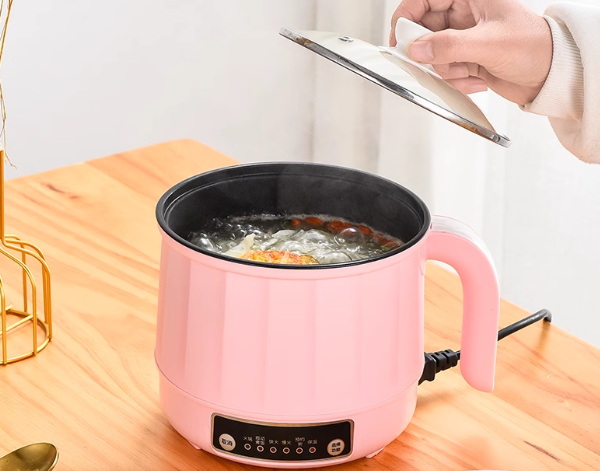
Electric kettles are not just limited to boiling water; they can be used for cooking various dishes efficiently. Here are some reasons why using an electric kettle for cooking khichdi is advantageous:
- Convenience: Ideal for those with limited kitchen space or equipment.
- Quick Cooking: Electric kettles heat water rapidly, allowing for faster cooking times.
- Energy Efficient: They consume less energy compared to traditional cooking methods.
- Safety Features: Many modern kettles come with automatic shut-off and boil-dry protection.
To make khichdi in an electric kettle, you will need the following ingredients:
- 1 cup rice (preferably basmati or short-grain rice)
- 1 cup moong dal (split yellow lentils)
- 4 cups water
- 1 tablespoon ghee or oil
- 1 teaspoon cumin seeds
- 1 medium onion (chopped)
- 1-2 green chilies (slit)
- ½ teaspoon turmeric powder
- Salt to taste
- Optional: Chopped vegetables (carrots, peas, potatoes)
You can customize your khichdi by adding various vegetables like carrots, peas, or potatoes. For added flavor, you might include bay leaves, ginger, or garlic.
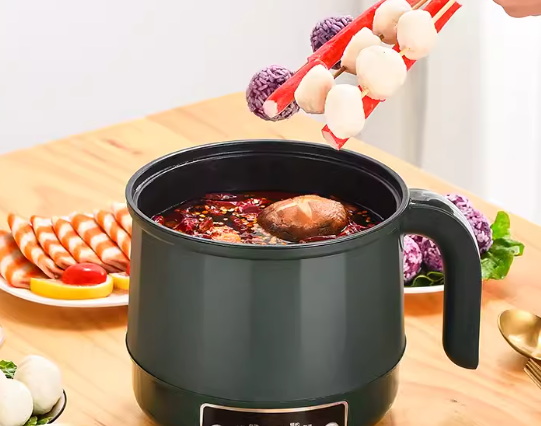
Here's a step-by-step guide to making khichdi in an electric kettle:
1. Rinse Rice and Dal: Thoroughly rinse the rice and moong dal under running water until the water runs clear. This helps remove excess starch.
2. Chop Vegetables: If adding vegetables, chop them into small pieces for even cooking.
3. Heat Oil/Ghee: Plug in your electric kettle and add ghee or oil. Allow it to heat up for a minute.
4. Add Spices: Once the oil is hot, add cumin seeds and let them splutter. Then add chopped onions and green chilies, sautéing until the onions turn translucent.
5. Combine Ingredients: Add the rinsed rice and dal to the kettle along with turmeric powder and salt. Mix well.
6. Add Water: Pour in 4 cups of water (adjust based on desired consistency). Stir everything together.
7. Cook: Close the lid of the kettle and switch it on. Depending on your kettle's capacity, it may take about 15-20 minutes for the khichdi to cook thoroughly.
8. Check Consistency: Once the kettle switches off automatically, check if the rice and dal are cooked properly. If needed, you can add a little more water and cook for an additional few minutes.
9. Serve: Once done, give it a good stir and serve hot with a dollop of ghee on top.
- Avoid Overcooking: Keep an eye on your khichdi during cooking to prevent mushiness or hard grains.
- Use Enough Water: Ensure you use enough water; otherwise, the rice may burn at the bottom of the kettle.
- Soaking Rice/Dal: While not mandatory, soaking helps achieve better texture; skipping this step might result in unevenly cooked grains.
- Safety Features: Always ensure that your kettle has enough water before starting; running it dry can damage the appliance.
Khichdi can be made in various ways, depending on regional preferences and personal taste. Here are a few variations:
- Jain Khichdi: Made without onions or garlic, this version is suitable for those following a Jain diet.
- Vegetable Khichdi: Adding a variety of vegetables like carrots, peas, and potatoes enhances the nutritional value and flavor.
- Spicy Khichdi: Adding red chili powder or more green chilies gives it a spicy twist.
Making khichdi in an electric kettle is not only possible but also practical for those living in small spaces or looking for quick meal solutions. The process is straightforward, requiring minimal ingredients and equipment while yielding a nutritious dish that can be customized to personal taste preferences. With its rich history as comfort food across India, khichdi remains relevant even in modern kitchens equipped with compact appliances like electric kettles.
Yes, you can skip oil or ghee if you prefer a lighter version or are following dietary restrictions. Simply omit the oil step and proceed with adding spices and other ingredients.
Typically, it takes about 15-20 minutes depending on your kettle's power and capacity.
While moong dal is commonly used, you can experiment with other lentils like chana dal or toor dal. However, cooking times might vary slightly.
Yes, khichdi is an excellent option for meal prep. It can be cooked in bulk and refrigerated or frozen for later use.
Khichdi is traditionally served with a dollop of ghee, accompanied by papad, pickle, or raita (yogurt side dish).
[1] https://www.yongkeng.com/can-we-make-khichdi-in-electric-kettle.html
[2] https://www.indianhealthyrecipes.com/dal-khichdi-recipe/
[3] https://www.youtube.com/watch?v=Krvz95EjoCI
[4] https://wiproappliances.com/blogs/recipes/electric-kettle-recipes
[5] https://www.youtube.com/watch?v=EEPO1ZCnzJ0
[6] https://la-forte.com/blogs/multi-kettle-recipes/dal-khichdi
[7] https://wiproappliances.com/blogs/tips-tricks/what-food-can-be-cooked-in-an-electric-kettle
[8] https://www.youtube.com/watch?v=eP8xj_nYkLk
[9] https://www.instagram.com/masterchefpankajbhadouria/reel/C54-FfCgFUH/
[10] https://www.youtube.com/watch?v=u-22ySQB78w
[11] https://www.instagram.com/plate_to_palette_/reel/C32tJmKPr9u/
[12] https://www.shutterstock.com/search/khichdi
[13] https://www.shutterstock.com/search/khichdi-rice
[14] https://www.youtube.com/watch?v=9vFm_RIfDGw
[15] https://www.youtube.com/watch?v=UsojkMsA5Ps
[16] https://www.youtube.com/watch?v=Bw299durFjQ
[17] https://www.youtube.com/watch?v=8vRTZkoELlE
[18] https://www.reddit.com/r/IndianFood/comments/1dbpdri/electric_kettle_veg_recipes/
[19] https://www.linkedin.com/pulse/some-frequently-asked-questions-electric-kettles-polar-india
[20] https://shrikripa.in/tag/kettle-cooking/
[21] https://www.bongeats.com/recipe/khichuri
[22] https://www.youtube.com/watch?v=UEbv_X6oV8o
[23] https://www.youtube.com/watch?v=ePeejabtW-o


