

Views: 222 Author: Rebecca Publish Time: 2025-03-28 Origin: Site


Content Menu
● Tips for Making Perfect Idlis in an Electric Kettle
● Benefits of Using an Electric Kettle
● Cultural Significance of Idlis
>> 1. What is the ideal temperature for steaming idlis in an electric kettle?
>> 2. How long does it take to cook idlis in an electric kettle?
>> 3. Can I use instant idli mix to make idlis in an electric kettle?
>> 4. What if my idlis turn out dry?
>> 5. Can I ferment the idli batter overnight for better taste?
Idli, a traditional South Indian breakfast dish, is typically made using a steamer or idli cooker. However, for those living in hostels or traveling, using an electric kettle can be a convenient alternative. In this article, we will explore how to make idli in an electric kettle, including the necessary ingredients, preparation steps, and tips for achieving the perfect idli.
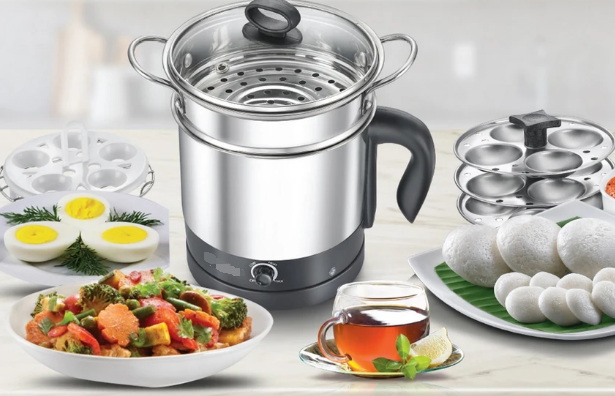
Idli is a popular South Indian dish made from fermented rice and lentil batter. It is known for its soft, fluffy texture and is often served with sambar and coconut chutney. Traditionally, idlis are steamed in a steamer or idli cooker, but with the versatility of modern kitchen appliances, it's now possible to make them using an electric kettle. This method is especially useful for those with limited kitchen space or who prefer a quick and easy breakfast option.
To make idli in an electric kettle, you will need the following ingredients:
- Urad Dal Flour: This is the lentil component of the idli batter. You can grind urad dal into a fine powder using a grinder or blender.
- Idli Rava: Also known as semolina, this is the rice component of the idli batter.
- Salt: Adds flavor to the idli.
- Baking Soda: Helps in fermentation and gives the idli a light texture.
- Water: Used to mix the batter to the right consistency.
- Fermented Idli Batter: If you have time, you can ferment the batter overnight for a more traditional taste.
- Ghee or Oil: For greasing the idli molds.
Here's how you can prepare idli in an electric kettle:
1. Mix the Batter: Combine 1 cup of urad dal flour and 2 cups of idli rava. Add salt and half a teaspoon of baking soda. Mix well with water to achieve a thick but pourable consistency.
2. Soak the Batter (Optional): If you prefer a fermented taste, soak the mixed batter for about 10 minutes, or let it ferment overnight. Fermentation enhances the flavor and texture of the idlis.
3. Prepare the Electric Kettle:
- Fill the kettle with water up to the minimum mark.
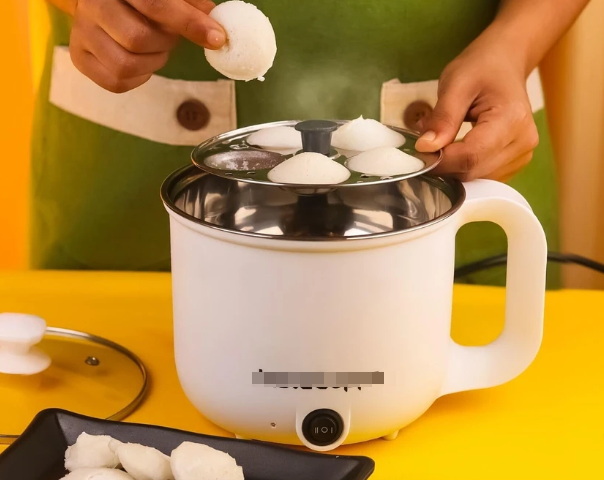
- Place a stand or trivet inside the kettle.
- Position the idli molds on the stand. Ensure the molds are greased with ghee or oil to prevent the idlis from sticking.
4. Steam the Idlis:
- Turn on the kettle and set it to 70 degrees Celsius initially.
- Once the kettle reaches 70 degrees, manually switch it to 100 degrees Celsius.
- Steam the idlis for about 10 to 15 minutes. The exact time may vary depending on the size of the idlis and the kettle's heating efficiency.
5. Serve: Once cooked, remove the idlis from the molds and serve with sambar and coconut chutney. You can also add a dollop of butter or ghee for extra flavor.
- Use the Right Consistency: Ensure the batter is not too thick or too thin. A thick batter might result in dense idlis, while a thin batter could lead to idlis that are too soft or break apart.
- Grease the Molds: Use ghee or oil to prevent the idlis from sticking to the molds. This makes it easier to remove them once cooked.
- Monitor Temperature: Adjust the kettle temperature as needed to avoid overcooking. Overcooking can make the idlis dry and hard.
- Fermentation: If you have time, fermenting the batter overnight can enhance the flavor and texture of the idlis. This step is optional but recommended for a more traditional taste.
- Convenience: Ideal for hostel living or traveling, as it requires minimal equipment.
- Time-Saving: Quick preparation and cooking time make it perfect for busy mornings.
- Versatility: An electric kettle can be used for other recipes as well, such as boiling water for tea or instant noodles.
- Overcooking: Check the idlis frequently to avoid drying out. Overcooking can make them hard and unappetizing.
- Incorrect Batter Consistency: Adjust the water accordingly to achieve the right consistency. A batter that is too thick or too thin can affect the texture of the idlis.
- Insufficient Fermentation: If you choose to ferment the batter, ensure it is left for enough time to develop the right flavor and texture.
You can experiment with different flavors by adding ingredients like grated carrots, chopped spinach, or even cheese to the batter. These variations can add a twist to the traditional idli recipe and make it more appealing to those looking for something new.
Idlis are a nutritious breakfast option due to their high protein content from the lentils and complex carbohydrates from the rice. They are also low in calories and rich in fiber, making them a healthy choice for those watching their diet.
Idlis hold a significant place in South Indian cuisine and are often served during special occasions and festivals. They are a symbol of traditional cooking methods and are cherished for their simplicity and nutritional value.
Making idlis in an electric kettle is a simple and convenient method, especially for those with limited kitchen space. By following these steps and tips, you can enjoy soft and delicious idlis anywhere. Whether you're a student in a hostel or a traveler, this method ensures you can still savor traditional South Indian flavors.
The ideal temperature for steaming idlis in an electric kettle starts at 70 degrees Celsius, then manually switched to 100 degrees Celsius after the initial heating phase.
Idlis typically take about 10 to 15 minutes to cook in an electric kettle, depending on the size of the idlis and the kettle's heating efficiency.
Yes, you can use instant idli mix. Simply follow the package instructions for mixing the batter, then proceed with steaming in the electric kettle.
If your idlis turn out dry, it might be due to overcooking. Try reducing the cooking time or adjusting the kettle temperature to prevent this.
Yes, fermenting the batter overnight can enhance the flavor and texture of the idlis. This step is optional but recommended for a more traditional taste.
[1] https://www.youtube.com/watch?v=Ksia-G73bwc
[2] https://www.vegrecipesofindia.com/idli-recipe-how-to-make-soft-idlis/
[3] https://ministryofcurry.com/idli/
[4] https://www.youtube.com/watch?v=rRu2VniAiZ4
[5] https://www.indianhealthyrecipes.com/soft-idli-recipe-using-idli-rava/
[6] https://www.youtube.com/watch?v=FIMFc9F6Q9g
[7] https://myborosil.com/blogs/borosil-blog/soft-and-fluffy-idli-recipe
[8] https://www.youtube.com/watch?v=oEMsdgE1yCE
[9] https://recipes.timesofindia.com/recipes/idli/rs53239358.cms
[10] https://www.youtube.com/watch?v=qqlexRdSzzo
[11] https://www.youtube.com/watch?v=TsIT9TypfmQ
[12] https://www.instagram.com/bhaiyajiletscook/reel/C9UhdV5oCz-/
[13] https://www.flipkart.com/instacuppa-electric-idli-maker-3-layer-nonstick-tray-steam-15-idlis-10-minutes-multi-cooker-kettle/p/itmc4c5e9223a8c0?pid=EKTH6DHWGTETPHCH&hl_lid=
[14] https://beextravegant.com/idli-recipe-the-ultimate-guide/
[15] https://www.embibe.com/questions/How-is-idli-prepared%3F/EM5350922
[16] https://www.swiggy.com/instamart/recipe/rice-idli
[17] https://foodviva.com/south-indian-recipes/idli-recipe/
[18] https://www.reddit.com/r/IndianFood/comments/9geqv1/looking_for_a_good_idli_makersteamer_us/


