

Views: 222 Author: Rebecca Publish Time: 2025-03-21 Origin: Site


Content Menu
● Step-by-Step Descaling Guide
>> Step 1: Prepare the Descaling Solution
>> Step 5: Repeat as Necessary
● Descaling with Commercial Products
● Choosing the Right Descaling Agent
● Preventing Limescale Buildup
● Troubleshooting Common Issues
● FAQ
>> 1. How Often Should I Descale My Kettle?
>> 2. What Are the Best Descaling Agents?
>> 3. Can I Use Commercial Descaling Products?
>> 4. How Do I Prevent Limescale Buildup?
>> 5. Is Descaling Safe for My Kettle?
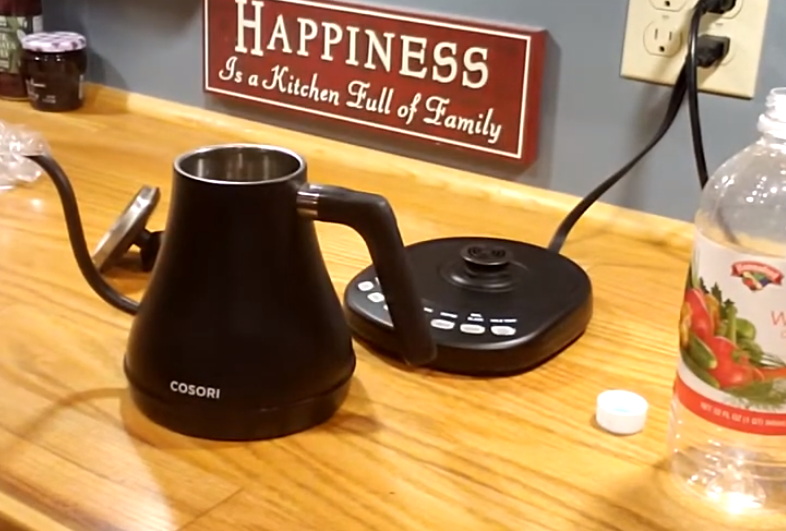
Descaling your Cosori electric kettle is an essential maintenance task that ensures the longevity and efficiency of your appliance. Mineral deposits, commonly known as limescale, can build up over time, affecting the taste of your beverages and the performance of the kettle. In this article, we will guide you through the process of descaling your Cosori electric kettle using common household items.
Descaling is crucial for several reasons:
- Extends Appliance Life: Limescale can damage the heating elements and other components, reducing the kettle's lifespan.
- Improves Performance: Scale buildup can impede water circulation and heat transfer, making it harder for the kettle to reach the desired temperature.
- Saves Energy: A clean kettle operates more efficiently, reducing energy consumption.
- Enhances Drink Quality: Limescale can alter the taste of your beverages, making regular descaling essential for maintaining flavor.
To descale your Cosori electric kettle, you will need:
- White Vinegar or Lemon Juice: These are natural descaling agents.
- Water: Used to dilute the descaling agent.
- Soft Cloth or Sponge: For wiping away limescale deposits.
- Optional: Baking Soda or Citric Acid: For more stubborn scale buildup.
For vinegar, mix equal parts of water and white vinegar. For lemon juice, squeeze the juice of one lemon into a cup of water.
Vinegar Solution: 1 part vinegar + 1 part water
Lemon Juice Solution: Juice of 1 lemon + 1 cup water
Pour the descaling solution into the kettle until it reaches the maximum fill line. Ensure you do not overfill, as this could lead to spills during boiling.
Turn on the kettle and allow the solution to come to a boil. Once it boils, turn off the kettle and let the solution sit for about 30 minutes to an hour. This soaking period allows the acid in the vinegar or lemon juice to break down the mineral deposits effectively.
After the soaking period, pour out the solution and rinse the kettle thoroughly with fresh water. Make sure to remove any remaining vinegar or lemon juice to avoid altering the taste of future water boiled in the kettle. Repeat the rinsing process several times to ensure all residue is removed.
For heavy scaling, you may need to repeat the descaling process multiple times or use a commercial descaling solution. If you notice that the kettle still has visible scale after the first descaling, it's best to repeat the process until the kettle is clean.

- Use Baking Soda for Stubborn Scale: Mix three tablespoons of baking soda with half a cup of vinegar for a powerful descaling solution. This mixture can help dissolve tougher mineral deposits.
- Avoid Using Steel Wool: It can scratch the kettle's interior, which may lead to rust or other damage.
- Regular Maintenance: Descale your kettle at least once a week if you use it frequently. Regular maintenance ensures your kettle remains in good condition and continues to perform optimally.
- Preventive Measures: Using filtered or soft water can help reduce limescale buildup. Regularly drying the kettle after use also helps prevent mineral deposits from forming.
When descaling your kettle, it's important to avoid common mistakes that could damage your appliance or reduce the effectiveness of the descaling process:
- Overfilling: Ensure the kettle is not overfilled, as this can lead to spills during boiling.
- Using Abrasive Materials: Avoid using steel wool or other abrasive materials that could scratch the kettle's interior.
- Not Rinsing Thoroughly: Always rinse the kettle thoroughly after descaling to remove any remaining vinegar or lemon juice.
While natural agents like vinegar are effective and cost-efficient, there are situations where commercial descaling products might be preferred. These products are often more potent and can handle heavy limescale buildup more effectively. However, always follow the manufacturer's instructions when using commercial descaling solutions to avoid damaging your kettle.
The choice between vinegar, lemon juice, and commercial products depends on the severity of the limescale buildup and personal preference. Vinegar is a popular choice due to its effectiveness and availability, while lemon juice offers a more natural and less acidic alternative. Commercial products are best for severe scaling issues.
Preventing limescale buildup is just as important as removing it. Here are some tips to help reduce mineral deposits:
- Use Filtered Water: If possible, use filtered or soft water to reduce mineral content.
- Dry the Kettle: Regularly drying the kettle after use helps prevent mineral deposits from forming.
- Regular Cleaning: Regularly cleaning the kettle's exterior and interior can help prevent scale buildup.
If you encounter issues during the descaling process, here are some troubleshooting tips:
- Stubborn Scale: For stubborn scale, try mixing baking soda with vinegar or using a commercial descaling product.
- Residual Taste: If you notice a residual taste after descaling, ensure you rinse the kettle thoroughly and consider boiling fresh water a few times to remove any remaining residue.
Descaling your Cosori electric kettle is a straightforward process that can be done using common household items. Regular descaling not only extends the life of your kettle but also ensures it operates efficiently and maintains the quality of your beverages. By following the steps outlined in this guide and incorporating preventive measures into your routine, you can keep your kettle in excellent condition.

You should descale your kettle at least once a week if you use it frequently, especially in areas with hard water. Regular descaling prevents mineral buildup and maintains the kettle's performance.
White vinegar and lemon juice are effective natural descaling agents. For more stubborn scale, baking soda or citric acid can be used. Commercial descaling products are also available for severe scaling issues.
Yes, commercial descaling products are available and can be effective for heavy limescale buildup. However, natural agents like vinegar are often sufficient and cost-effective.
Using filtered or soft water can help reduce limescale buildup. Regularly drying the kettle after use also helps prevent mineral deposits from forming.
Yes, descaling is safe and necessary for maintaining your kettle. Ensure you follow the manufacturer's guidelines and avoid using abrasive materials that could damage the kettle.


