

Views: 222 Author: Rebecca Publish Time: 2025-03-13 Origin: Site


Content Menu
● Introduction to Electric Kettle Cleaning
● Additional Tips for Cleaning Electric Kettles
>> Using Salt
>> 1. What Causes Stains and Odors in Electric Kettles?
>> 2. How Often Should I Clean My Electric Kettle?
>> 3. Can I Use Dish Soap Inside My Electric Kettle?
>> 4. How Do I Remove Stubborn Stains from My Electric Kettle?
>> 5. Is It Safe to Use Cola or Pepsi for Cleaning My Electric Kettle?
Electric kettles are a staple in many kitchens, providing a quick and efficient way to boil water for tea, coffee, and other beverages. However, over time, they can accumulate stains and develop unpleasant odors due to mineral deposits and limescale buildup. Cleaning your electric kettle regularly not only improves its performance but also ensures the water it boils tastes fresh and clean. In this article, we will explore various methods to clean electric kettle stains and smells, including using vinegar, lemon juice, baking soda, and more.

Cleaning an electric kettle involves both the interior and exterior. The interior often requires descaling to remove mineral deposits, while the exterior needs regular wiping to prevent grime buildup. Here are some common methods used for cleaning electric kettles:
The vinegar method is one of the most effective ways to descale an electric kettle. Vinegar is a natural acid that helps dissolve mineral deposits and limescale.
1. Preparation: Mix equal parts water and white vinegar in your kettle. For a 1-liter kettle, use about 1/4 cup of vinegar and 3/4 cup of water.
2. Boiling: Bring the solution to a boil, then turn off the kettle.
3. Soaking: Let the solution sit for 15-20 minutes. This allows the acid in the vinegar to break down mineral deposits effectively.
4. Rinsing: Pour out the vinegar solution and rinse the kettle thoroughly with fresh water. Repeat the boiling and rinsing process a few times to remove any lingering vinegar taste.
Lemon juice is another natural acid that can help descale your kettle. It leaves a fresh citrus scent and is effective against mineral deposits.
1. Preparation: Fill your kettle with water and add lemon slices or lemon juice. For a half-full kettle, use about 2 tablespoons of lemon juice.
2. Boiling: Bring the solution to a boil, then turn off the kettle.
3. Soaking: Let it sit for about 20 minutes. This allows the citric acid to dissolve mineral deposits.
4. Rinsing: Discard the solution and rinse the kettle thoroughly with fresh water. Boil plain water once or twice to remove any remaining lemon flavor.
Baking soda is a mild abrasive that can help remove stubborn stains and odors from your kettle.
1. Preparation: Mix a tablespoon of baking soda with water to create a paste.
2. Application: Apply the paste to stains inside the kettle.
3. Soaking: Let it sit for 15-20 minutes.
4. Scrubbing: Use a soft brush to gently scrub away the stains.
5. Rinsing: Rinse the kettle thoroughly with fresh water.
The exterior of your electric kettle also needs regular cleaning to prevent grime and stains.
1. Wipe Down: Use a non-abrasive cleaner and a microfiber cloth to wipe down the top and sides of your kettle.
2. Avoid Water: Be careful not to get the base of the kettle wet to prevent electrical shock or damage.
3. Dry: Use a dry microfiber cloth to wipe away any moisture and prevent streaks.
- Regular Maintenance: Clean your kettle regularly to prevent heavy buildup. Descale your kettle every 3 months if you use it frequently.
- Avoid Harsh Chemicals: Never use abrasive cleaners or bleach inside your kettle, as they can damage the heating element or leave harmful residues.
- Check Manufacturer's Instructions: Always refer to your kettle's user manual for specific cleaning recommendations, as some materials may require special care.
Citric acid powder is another effective agent for descaling. It can be used similarly to lemon juice by mixing it with water and boiling the solution in the kettle.
1. Preparation: Use about 2 tablespoons of citric acid powder in a half-full kettle of water.
2. Boiling: Bring the solution to a boil, then turn off the kettle.
3. Soaking: Let it sit for at least 20 minutes before discarding the solution.
4. Rinsing: Rinse the kettle thoroughly with fresh water.
Eggshells can be used as a natural abrasive to clean the kettle. Simply boil water with crushed eggshells in the kettle to help remove mineral deposits.
1. Preparation: Crush a few eggshells and add them to the kettle filled with water.
2. Boiling: Bring the mixture to a boil.
3. Soaking: Let it sit for about 15-20 minutes.
4. Rinsing: Discard the solution and rinse the kettle thoroughly with fresh water.
Salt can also be used to clean your kettle by acting as a mild abrasive.
1. Preparation: Mix a few tablespoons of salt with water in the kettle.
2. Boiling: Bring the solution to a boil.
3. Soaking: Let it sit for about 15-20 minutes.
4. Rinsing: Pour out the solution and rinse the kettle thoroughly with fresh water.
Hydrogen peroxide is effective against tough stains and odors. However, it should be used with caution and diluted properly.
1. Preparation: Mix one part hydrogen peroxide (3% solution) with two parts water.
2. Boiling: Pour the solution into the kettle and let it sit for about 30 minutes.
3. Rinsing: Discard the solution and rinse the kettle thoroughly with fresh water.
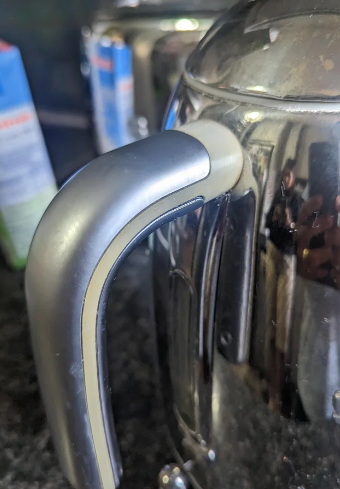
Preventing odors and stains in your electric kettle involves regular maintenance and a few simple habits:
- Daily Rinse: After each use, empty the kettle and rinse it with clean water to prevent mineral buildup.
- Drying: Always leave the lid open after use to allow the kettle to dry completely. This prevents moisture buildup, which can lead to mold and mildew.
- Descaling: Regularly descale your kettle to remove mineral deposits, especially if you live in an area with hard water.
- Filtered Water: Using filtered water can reduce mineral deposits and improve the taste of your beverages.
When cleaning your electric kettle, safety should always be a priority:
- Unplug the Kettle: Always unplug your kettle before cleaning to prevent electrical shock.
- Avoid Water on the Base: Never get the base of the kettle wet, as this can cause electrical issues.
- Use Soft Cleaning Tools: Avoid using abrasive cleaners or scrubbers that can scratch the kettle's surface.
- Overfilling: Avoid overfilling the kettle, as this can lead to spills and residue buildup.
- Leaving Water Overnight: Never leave water in the kettle overnight, as stagnant water can lead to bacterial growth and mineral buildup.
- Using Harsh Chemicals: Never use bleach or harsh chemicals inside your kettle, as they can damage the interior and affect the taste of the water.
Cleaning your electric kettle is essential for maintaining its performance and ensuring the water it boils tastes fresh. By using methods like vinegar, lemon juice, and baking soda, you can effectively remove stains and odors. Regular cleaning also helps extend the lifespan of your kettle. Remember to always follow safety precautions and manufacturer's guidelines when cleaning your electric kettle.
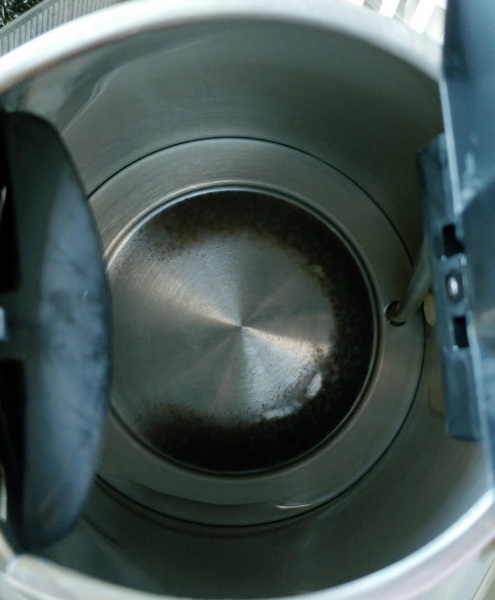
Stains and odors in electric kettles are primarily caused by mineral deposits and limescale buildup from the water. Regular use can lead to these deposits accumulating inside the kettle, affecting its performance and the taste of the water.
It is recommended to descale your electric kettle every 3 months if you use it frequently. Regular wiping of the exterior should be done whenever you notice grime or stains.
No, it is not recommended to use dish soap inside your electric kettle. Soap can leave residues that affect the taste of the water and potentially damage the heating element. Vinegar or lemon juice are safer alternatives for cleaning the interior.
For stubborn stains, you can mix baking soda with water to create a paste and apply it to the stained area. Let it sit for a while before scrubbing gently with a soft brush and rinsing thoroughly.
While cola or Pepsi can be used to descale a kettle due to their acidity, they are not recommended as they can leave sticky residues and stains. Vinegar or lemon juice are safer and more effective options.
[1] https://www.thespruce.com/how-to-clean-electric-kettle-4801958
[2] https://vacuumflask.rangdong.com.vn/ko/news/quick-tips-how-to-clean-your-electric-kettle-in-the-quickest-ways
[3] https://timesofindia.indiatimes.com/life-style/food-news/5-easy-tips-to-clean-electric-kettle-at-home/photostory/105922902.cms
[4] https://www.yongkeng.com/how-to-remove-smell-from-electric-kettle.html
[5] https://www.yongkeng.com/how-to-remove-stain-in-electric-kettle.html
[6] https://www.kent.co.in/blog/precautions-to-consider-when-using-an-electric-kettle/
[7] https://en.isuperman.tw/
[8] https://www.yongkeng.com/what-are-the-best-practices-for-cleaning-and-maintaining-an-electric-kettle.html
[9] https://www.marthastewart.com/how-to-clean-electric-kettle-8787679
[10] https://www.crompton.co.in/blogs/kitchen-appliances-guide/how-to-clean-an-electric-kettle-in-8-easy-steps
[11] https://www.spotlightstores.com/ideas/decorate/how-to-clean-inside-of-a-kettle-in-3-different-ways
[12] https://www.reddit.com/r/CleaningTips/comments/iamyjv/made_a_big_mistake_when_cleaning_an_electric/
[13] https://www.goodhousekeeping.com/home/cleaning/a40707243/how-to-clean-electric-kettle/
[14] https://www.yongkeng.com/what-are-the-best-practices-for-cleaning-and-maintaining-an-electric-kettle-to-prevent-long-term-issues.html
[15] https://www.kitchenaid.com/pinch-of-help/countertop-appliances/how-to-clean-an-electric-kettle.html
[16] https://www.ghanaweb.com/blogs/mercy360/9-Out-of-10-Households-Make-This-Mistake-When-Boiling-Water-with-an-Electric-Kettle-5312
[17] https://www.reddit.com/r/Coffee/comments/12k5fpf/reminder_to_the_novice_like_me_clean_your_kettle/
[18] https://www.foodnetwork.com/how-to/packages/food-network-essentials/how-to-clean-an-electric-kettle
[19] https://ao.com/athome/lifestyle/cleaning-tips/cleaning-kettles


