

Views: 222 Author: Rebecca Publish Time: 2025-03-13 Origin: Site


Content Menu
● Introduction to Mold in Electric Kettles
● Tips for Preventing Mold Growth
● FAQs
>> 1. What are the signs of mold in an electric kettle?
>> 2. How often should I clean my electric kettle?
>> 3. Can I use bleach to clean my electric kettle?
>> 4. What are the best cleaning agents for removing mold from an electric kettle?
>> 5. How can I prevent mold growth in my electric kettle?
Cleaning an electric kettle is essential for maintaining hygiene and ensuring the longevity of the appliance. Mold growth in electric kettles can pose health risks and affect the taste of water. In this article, we will explore the best methods for cleaning mold from electric kettles, including the use of vinegar, lemon juice, and baking soda.

Mold can grow in electric kettles due to moisture and mineral buildup. It is crucial to identify mold early and clean the kettle regularly to prevent health issues.
- Visual Indicators: Look for dark spots or fuzzy growth inside the kettle.
- Unpleasant Odors: A musty smell when boiling water can indicate mold presence.
- Taste Changes: If the water tastes off, it may be contaminated with mold.
Vinegar is a natural disinfectant that effectively removes mold and mineral deposits.
Step-by-Step Guide:
1. Mix the Solution: Combine equal parts of white vinegar and water in the kettle.
2. Boil the Mixture: Bring the solution to a boil.
3. Let It Sit: Allow the solution to sit for at least an hour. This will help the vinegar penetrate and break down any mold or mineral deposits.
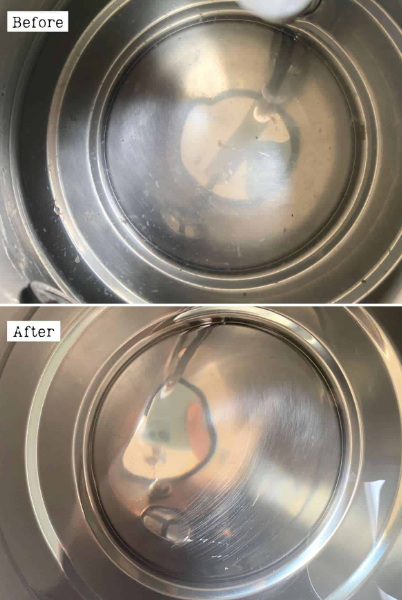
4. Scrub and Rinse: Use a non-abrasive sponge to scrub the interior, then rinse thoroughly with fresh water to remove any remaining vinegar taste.
Vinegar is a versatile cleaning agent that not only removes mold but also helps descale the kettle, which is particularly useful for those living in areas with hard water.
Lemon juice is another natural agent that can help remove mold and mineral deposits.
Step-by-Step Guide:
1. Squeeze Lemon Juice: Squeeze the juice of two lemons into the kettle.
2. Fill with Water: Add water to fill the kettle.
3. Boil and Let Sit: Boil the mixture and let it sit for about an hour. The acidity in lemon juice helps dissolve mineral deposits and kill mold.
4. Scrub and Rinse: Scrub the interior with a soft sponge and rinse thoroughly to remove any remaining lemon taste.
Lemon juice is a good alternative to vinegar for those who prefer a less acidic taste in their cleaning solutions.
Baking soda is effective for removing stubborn stains and mineral deposits.
Step-by-Step Guide:
1. Mix Baking Soda Solution: Add a tablespoon of baking soda to the kettle and fill with water.
2. Boil the Solution: Boil the mixture.
3. Let It Sit: Allow the solution to sit for 10-15 minutes. Baking soda acts as a gentle abrasive that helps remove tough stains.
4. Scrub and Rinse: Scrub the interior with a soft brush and rinse thoroughly to remove any baking soda residue.
Baking soda is particularly useful for removing stubborn stains that vinegar or lemon juice might not fully address.
- Regular Cleaning: Clean your kettle at least once a month.
- Proper Storage: Always empty the kettle after use and leave the lid open to dry.
- Avoid Leaving Water: Do not leave water sitting in the kettle for long periods.
- Dry the Kettle: After cleaning, ensure the kettle is completely dry before storing it.
Preventing mold growth is easier than removing it, so maintaining good cleaning habits is crucial.
If you live in an area with hard water, mineral deposits can build up inside your kettle. Regular descaling is important to maintain the kettle's efficiency and longevity. Vinegar is an excellent descaling agent, but you can also use commercial descaling products if needed.
The exterior of the kettle should also be cleaned regularly. Use a damp cloth to wipe down the outside, paying attention to any areas with visible stains or splatters. For tougher stains, a mixture of baking soda and water can be used to create a paste that acts as a gentle scrub.
Regularly cleaning your electric kettle is not just about removing mold; it's also about maintaining overall hygiene. Ensure that your hands are clean before handling the kettle, and always rinse the kettle thoroughly after cleaning to remove any cleaning agents.
- Using Abrasive Materials: Avoid using abrasive sponges or scrubbers, as they can scratch the kettle's interior.
- Leaving Cleaning Solutions: Never leave cleaning solutions in the kettle for extended periods, as they can leave residues or damage the appliance.
- Ignoring Maintenance: Regular maintenance is key to preventing mold and mineral buildup.
By avoiding these common mistakes, you can ensure your kettle remains in good condition and functions efficiently.
Cleaning an electric kettle regularly is crucial for removing mold and ensuring safe use. Vinegar, lemon juice, and baking soda are effective natural agents for this purpose. By following the steps outlined in this article and maintaining good cleaning habits, you can keep your electric kettle in excellent condition and enjoy fresh, clean water every time.

Mold in an electric kettle can be identified by visual indicators such as dark spots or fuzzy growth, unpleasant odors, and changes in the taste of the water.
It is recommended to clean your electric kettle at least once a month to prevent mold and mineral buildup. If you use your kettle frequently or live in an area with hard water, you may need to clean it more often.
No, bleach is not recommended for cleaning electric kettles as it can leave harmful residues and damage the appliance.
White vinegar, lemon juice, and baking soda are excellent natural cleaning agents for removing mold and mineral deposits from electric kettles.
To prevent mold growth, always empty the kettle after use, clean it regularly, and store it with the lid open to allow it to dry completely.


