

Views: 222 Author: Rebecca Publish Time: 2025-03-11 Origin: Site


Content Menu
● Introduction to Aroma Electric Kettles
>> Key Components of an Aroma Electric Kettle
● Advanced Cleaning Techniques
● Additional Tips for Longevity
● Maintenance Tips for Your Electric Kettle
● FAQs
>> 1. How Often Should I Clean My Aroma Electric Kettle?
>> 2. Can I Use Commercial Descaling Products Instead of Vinegar?
>> 3. Why Does My Kettle Have White Deposits Inside?
>> 4. Is It Safe to Clean the Kettle with Baking Soda?
>> 5. How Can I Prevent Limescale Buildup in My Kettle?
Cleaning your Aroma electric water kettle is essential for maintaining its performance, ensuring the quality of the water it heats, and prolonging its lifespan. Regular cleaning helps remove mineral deposits and limescale buildup, which can affect the taste of your beverages and reduce the kettle's efficiency. In this comprehensive guide, we will walk you through the steps to clean your Aroma electric kettle effectively, using various methods and materials.
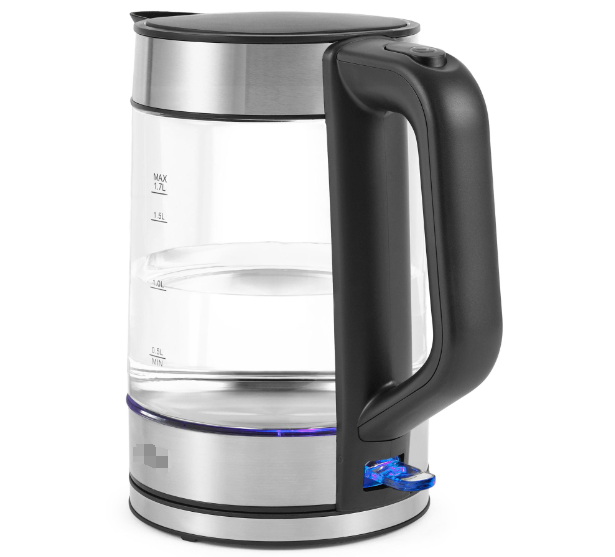
Aroma electric kettles are popular for their ease of use and reliability. They come with features like cool-touch handles, drip-free spouts, and easy-grip designs, making them convenient for daily use. However, like any electric appliance, they require regular maintenance to function optimally.
- Kettle Body: The main body of the kettle where water is stored.
- Power Base: The base that houses the electrical components.
- Lid Release Trigger: Allows easy opening and closing of the kettle lid.
- Power Switch with Indicator Light: Indicates when the kettle is in operation.
- Water Level Indicator: Shows the current water level inside the kettle.
Daily maintenance is crucial for keeping your Aroma electric kettle in good condition. Here are some simple steps:
1. Unplug the Kettle: Always unplug the kettle before cleaning to prevent electrical accidents.
2. Wipe the Exterior: Use a damp microfiber cloth to wipe down the exterior of the kettle, paying special attention to the handle and lid. Avoid getting the base or electrical components wet.
3. Rinse the Interior: After each use, rinse the interior with clean water to prevent mineral buildup. If you notice any residue, use a soft sponge to gently scrub it away.
4. Dry the Kettle: Leave the kettle's lid open after use to allow the interior to dry completely, preventing any moisture-related issues or odors.
Periodic deep cleaning is necessary to maintain your kettle's performance and longevity. Here are three effective methods:
Vinegar is a natural descaling agent that effectively breaks down mineral buildup.
Steps:
1. Fill the kettle halfway with water and add one part white vinegar to three parts water.
2. Bring the solution to a boil.
3. Let it sit overnight or for at least 15-20 minutes.
4. Empty the solution and rinse the kettle thoroughly with clean water. Repeat boiling and rinsing until the vinegar smell is gone.
Using vinegar is a cost-effective and environmentally friendly way to clean your kettle. It helps break down limescale, which forms from minerals in the water over time[2][7].
Lemon juice acts as a natural cleaning agent and can help remove limescale.
Steps:
1. Add a teaspoon of lemon juice to the kettle.
2. Fill with water and bring to a boil.
3. Drain the solution and rinse the kettle thoroughly.
Lemon juice is not only effective for cleaning but also leaves a fresh scent. It can be used as an alternative to vinegar if you prefer a more natural taste after cleaning[1][8].
Baking soda is effective for removing stubborn stains and neutralizing odors.
Steps:
1. Add 1-2 tablespoons of baking soda to the kettle.
2. Fill with water and bring to a boil.
3. Let it sit for 10-15 minutes.
4. Use a soft brush to scrub the interior.
5. Rinse thoroughly with clean water.
Baking soda is a practical cleaning method, especially for light deposits. It helps neutralize any lingering odors and is gentle on the kettle's interior[4][8].
For more stubborn stains or buildup, you can combine different cleaning methods. For example, using both vinegar and baking soda can provide a more thorough clean.
1. Fill the kettle with a mixture of vinegar and water (1:3 ratio).
2. Add a tablespoon of baking soda.
3. Boil the solution and let it sit for a few hours or overnight.
4. Scrub gently with a soft brush and rinse thoroughly.
This combination leverages the descaling properties of vinegar and the scrubbing power of baking soda, making it ideal for kettles with significant mineral buildup[8].

- Regular Cleaning Schedule: Perform deep cleaning every 1-3 months, depending on usage and water hardness.
- Use Filtered Water: Using filtered water can reduce mineral deposits, extending the time between cleanings[3].
- Avoid Overfilling: Never fill the kettle beyond the recommended level to prevent boiling over and potential damage to the heating element[6].
- Unplug the Kettle: Always unplug the kettle before cleaning to prevent electrical shock.
- Avoid Immersion: Never immerse the kettle, power cord, or base in water.
- Use Non-Abrasive Cleaners: Avoid using abrasive cleaners or scouring pads, as they can damage the finish and create electrical hazards[5].
To maintain the exterior of your kettle, follow these steps:
1. Damp Cloth: Use a damp microfiber cloth to wipe down the exterior.
2. Soap and Water: For tougher stains, mix dish soap with water, dip a cloth in it, wring it out thoroughly, and wipe the kettle clean.
3. Rinse with Clean Water: Use a clean, damp cloth to remove any soap residue.
4. Dry the Kettle: Dry the exterior with a soft cloth to prevent water spots.
Avoid immersing the kettle in water or placing it under running water, as this can damage the electrical components[5].
- Regularly Inspect the Kettle: Check for any signs of wear or mineral buildup.
- Use Distilled Water: Helps prevent mineral deposits.
- Avoid Overboiling: Only boil the amount of water needed to reduce mineral buildup and energy consumption[6].
Limescale buildup is common in areas with hard water. Regular descaling with vinegar or lemon juice can help prevent this issue. If the buildup is severe, consider using a combination of cleaning methods or commercial descalers[6].
For persistent odors or stains, baking soda can be used to neutralize smells and gently scrub away stains. Always rinse thoroughly after cleaning to remove any residue[4].
If you notice any electrical issues, such as a malfunctioning switch or frayed cord, stop using the kettle immediately. Consult the manufacturer's instructions or contact a professional for repairs[5].
1. Regular Descaling: Descale your kettle at least once a month if you use it frequently, or more often if you live in an area with hard water[3].
2. Avoid Overfilling: Overfilling the kettle can cause water to spill out, which might damage the heating element. Always follow the manufacturer's guidelines for maximum fill levels[3].
3. Use Filtered Water: Using filtered water can reduce the buildup of mineral deposits, extending the time between necessary cleanings[3].
4. Unplug When Not in Use: Always unplug the kettle when it's not in use to avoid electrical hazards and prolong the life of the appliance[3].
5. Check the Cord and Plug: Regularly inspect the power cord and plug for any signs of damage. If you notice any issues, have them repaired or replaced immediately to avoid electrical hazards[3].
When not in use, store your kettle in a dry place with the lid open to prevent moisture buildup and potential mold growth. This practice helps maintain the kettle's condition and ensures it remains ready for use when needed[6].
Cleaning your Aroma electric kettle is a straightforward process that requires regular attention to maintain its performance and longevity. By following these simple steps and using household items like vinegar, lemon juice, and baking soda, you can ensure your kettle remains in excellent condition and continues to provide safe and clean hot water for your beverages.
You should perform a deep cleaning every 1-3 months, depending on usage and water hardness in your area. Daily maintenance involves wiping the exterior and rinsing the interior after each use.
Yes, you can use commercial descaling products. However, vinegar is a cost-effective and environmentally friendly alternative that works well for most users.
The white deposits are mineral buildup or limescale, which can be removed using vinegar or lemon juice solutions.
Yes, baking soda is safe to use for cleaning your kettle. It helps neutralize odors and remove stubborn stains.
Using distilled water can help prevent mineral deposits. Regular cleaning with vinegar or lemon juice also helps maintain the kettle's interior.
[1] https://www.goodhousekeeping.com/home/cleaning/a40707243/how-to-clean-electric-kettle/
[2] https://japanelectronics.com.pk/blogs/all/effective-tips-to-clean-your-electric-kettle
[3] https://cleanchaps.com/blog/how-to-clean-and-maintain-your-electric-kettle
[4] https://www.kitchenaid.com/pinch-of-help/countertop-appliances/how-to-clean-an-electric-kettle.html
[5] https://www.kent.co.in/blog/precautions-to-consider-when-using-an-electric-kettle/
[6] https://geepas.co.uk/blogs/magazine/electric-kettle-maintenance-101
[7] https://www.olgasflavorfactory.com/olgastips/how-to-clean-an-electric-kettle/
[8] https://www.yongkeng.com/what-are-the-best-practices-for-cleaning-and-maintaining-an-electric-kettle-to-prevent-long-term-issues.html
[9] https://mytour.vn/en/blog/bai-viet/secrets-to-prolonging-the-lifespan-of-your-electric-kettle.html
[10] https://www.marthastewart.com/how-to-clean-electric-kettle-8787679
[11] https://www.reddit.com/r/CleaningTips/comments/iamyjv/made_a_big_mistake_when_cleaning_an_electric/
[12] https://asaltheoriginal.com/index.php?route=journal3%2Fblog%2Fpost&journal_blog_post_id=28
[13] https://www.reddit.com/r/tea/comments/4q5eio/how_do_i_clean_whatever_is_in_my_electric_kettle/
[14] https://www.solara.in/blogs/kitchen/how-to-clean-an-electric-kettle-guide
[15] https://royalelectronicsgroup.com/2021/07/21/electric-kettle-maintenance-tips/
[16] https://www.allrecipes.com/article/electric-kettle-cleaning-tip/
[17] https://www.yahoo.com/lifestyle/way-clean-electric-kettle-often-160100620.html
[18] https://www.reddit.com/r/Coffee/comments/12pg33s/electric_kettles_longevity/
[19] https://cremajoe.com.au/blogs/news/clean-your-kettle-in-just-4-minutes
[20] https://www.ghanaweb.com/blogs/mercy360/9-Out-of-10-Households-Make-This-Mistake-When-Boiling-Water-with-an-Electric-Kettle-5312


