

Views: 222 Author: Rebecca Publish Time: 2025-02-28 Origin: Site


Content Menu
● The Anatomy of an Electric Kettle Lid
● Advanced Features in Modern Kettles
>> Safety Locks
● Maintenance and Troubleshooting
● Innovations and Future Trends
● Environmental Considerations
● FAQ
>> 1. How often should I clean my kettle's lid mechanism?
>> 2. Can I repair a faulty lid release button myself?
>> 3. Are there any safety concerns with electric kettle lids?
>> 4. How do I know if my kettle's lid seal needs replacing?
>> 5. Can the lid release mechanism affect the kettle's energy efficiency?
Electric kettles have become an essential appliance in many households, offering a quick and efficient way to boil water for various purposes. One of the key features that make these kettles user-friendly is the lid release button. This article will delve into the intricate workings of the lid release mechanism in electric kettles, exploring its components, functionality, and the engineering behind this seemingly simple yet crucial feature.

Before we dive into the specifics of the lid release button, let's first understand the basic structure of an electric kettle lid:
1. Lid Base: The main body of the lid, usually made of plastic or metal.
2. Seal Cover: A rubber or silicone gasket that ensures a tight seal when the lid is closed.
3. Latch Mechanism: Typically consists of front and rear locks that keep the lid securely closed.
4. Release Button: Located on the handle or top of the kettle, this is what users press to open the lid.
5. Springs: Various springs are used to control the movement of different components.
The lid release mechanism in electric kettles is a marvel of simple yet effective engineering. Here's how it typically works:
When you press the lid release button, it sets off a chain reaction within the kettle's internal mechanism. The button is usually connected to a toggle or lever system[7].
1. As you press the button, a rounded projection or cam on its underside acts on a toggle.
2. This toggle is suspended below a horizontal axle, allowing it to pivot.
3. When the button is depressed, the forward end of the toggle contacts and displaces the lower end of a pivoting latch.
The action of the toggle against the lower portion of the latch causes it to rotate about its pivot points[7]. This rotation is crucial as it disengages the latch from the kettle body, allowing the lid to open.
Many electric kettles incorporate a spring mechanism that helps to push the lid open once the latch is disengaged. This spring is often a torsion spring installed on a spring shaft[1]. When the latch is released, the stored energy in the spring assists in lifting the lid, making it easier for the user to access the kettle's interior.
Modern electric kettles often come with additional features that enhance the lid release mechanism:
To prevent the lid from opening too forcefully and potentially splashing hot water, some kettles incorporate a damping mechanism. This system effectively reduces both the acceleration and velocity of the opening lid, ensuring that droplets or condensate are not ejected from the underside of the lid[7].
Many kettles include safety features that prevent the lid from being opened while the water is boiling. This is typically achieved through a temperature-sensitive mechanism that keeps the lid locked until the water has cooled to a safe temperature.
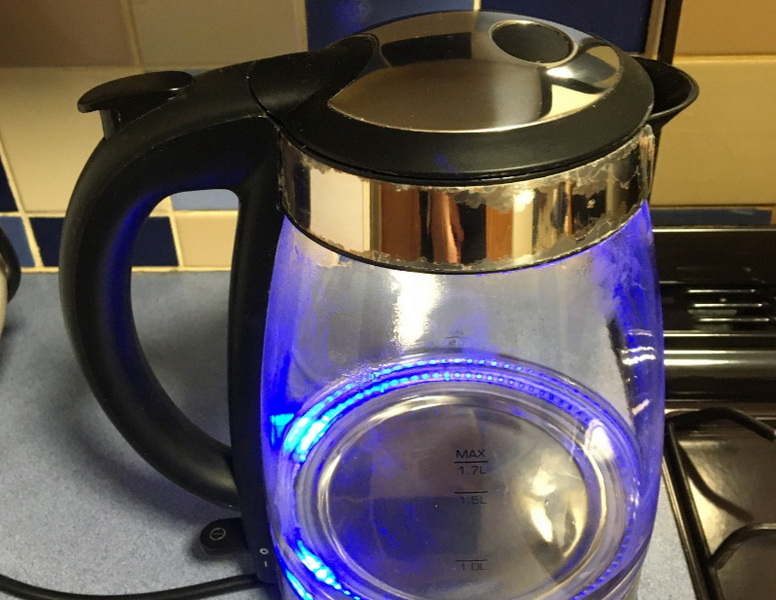
The choice of materials plays a crucial role in the functionality and durability of the lid release mechanism:
1. Plastic Components: Often used for buttons and internal levers due to their lightweight nature and resistance to heat.
2. Metal Parts: Used in areas requiring strength and durability, such as latches and springs.
3. Silicone or Rubber: Employed for seals and gaskets to ensure a watertight closure.
The production of electric kettle lid mechanisms involves precision engineering and careful assembly. Here's a simplified overview of the process:
1. Injection molding of plastic components
2. Stamping or casting of metal parts
3. Assembly of the latch mechanism
4. Installation of springs and dampers
5. Integration of the button and toggle system
6. Final assembly and testing
Like any mechanical system, the lid release mechanism can sometimes encounter issues. Common problems include:
1. Sticky or unresponsive buttons
2. Lids that fail to open or close properly
3. Leaks around the lid seal
Most of these issues can be resolved through regular cleaning and maintenance. For instance, mineral deposits from hard water can accumulate and interfere with the mechanism's smooth operation[5]. In such cases, disassembling the lid (if possible) and cleaning the components can often restore functionality.
The electric kettle industry continues to innovate, with new designs and features constantly emerging. Some recent trends include:
1. Touch-sensitive buttons: Replacing physical buttons with capacitive touch sensors for a sleeker look and improved durability.
2. Smart kettles: Incorporating Wi-Fi connectivity and mobile app control, allowing users to open the lid remotely.
3. Voice-activated lids: Integration with smart home systems to enable voice commands for lid opening.
4. Improved energy efficiency: Designing lid mechanisms that contribute to better heat retention and faster boiling times.
As sustainability becomes increasingly important, manufacturers are focusing on creating lid release mechanisms that are:
1. Made from recyclable materials
2. Designed for easy disassembly and repair
3. More durable to extend the lifespan of the kettle
These efforts aim to reduce the environmental impact of electric kettles and promote a more circular economy.
The lid release button in electric kettles is a prime example of how seemingly simple mechanisms can greatly enhance the usability of everyday appliances. Through clever engineering and thoughtful design, this feature allows for safe and convenient access to the kettle's interior while maintaining a secure seal during operation. As technology advances, we can expect to see further innovations in this area, making our daily tea and coffee routines even more effortless and enjoyable.

It's recommended to clean your kettle's lid mechanism every 3-6 months, depending on usage and water hardness. Regular cleaning prevents mineral buildup and ensures smooth operation.
While minor issues can often be resolved through cleaning, it's generally not recommended to attempt repairs on the lid mechanism yourself. Consult the manufacturer's guidelines or seek professional repair to avoid safety risks.
Modern electric kettles are designed with safety in mind. However, it's important to ensure the lid is properly closed before use and to avoid opening it while the water is boiling to prevent steam burns.
Signs that your kettle's lid seal needs replacing include visible wear or damage, steam escaping from around the lid during boiling, or difficulty in closing the lid securely.
Yes, a well-designed lid release mechanism contributes to the kettle's overall energy efficiency by ensuring a tight seal. This helps maintain heat and reduces the energy required to boil water.
[1] https://patents.google.com/patent/CN2794380Y/en
[2] https://www.philips.com.hk/en/c-p/HD9355_92/viva-collection-kettle
[3] https://www.ingenia.org.uk/articles/how-do-kettles-know-when-to-switch-off/
[4] https://www.youtube.com/watch?v=bP1WFR5ETwM
[5] https://www.ifixit.com/Guide/Stuck+Kettle+lid+Schott+Duran+Tower+T10021/160285
[6] https://www.explainthatstuff.com/how-electric-kettles-work.html
[7] https://patents.google.com/patent/US9456714B2/en
[8] https://eureka.patsnap.com/patent-CN101181132A
[9] https://simplus.online/pages/electric-kettle-yshu001-user-manual-english-version
[10] https://www.ifixit.com/Answers/View/338376/The+lid+on+my+aroma+electric+kettle+won't+close
[11] https://www.youtube.com/watch?v=DjxAKnN-Hwk
[12] https://www.kitchenaid.com/pinch-of-help/countertop-appliances/how-to-use-a-kettle.html
[13] https://www.youtube.com/watch?v=yHoT1-ob9Zg
[14] https://www.youtube.com/watch?v=9iAr-WnQ69w
[15] https://www.lauben.com/en/electric-kettles/electric-kettle-ek17gs/
[16] https://www.originenergy.com.au/blog/how-stuff-works-your-kettle/
[17] https://www.tefal.com.hk/en/Food-&-Drink-preparation/Kettles/THEIA-CONTROL-KETTLE-1-5L-/p/7211003444
[18] https://www.reddit.com/r/mechanical_gifs/comments/w5886b/electric_kettlefilling_and_lidclosing_apparatus/
[19] https://karisimby.wordpress.com/2009/08/09/parts-of-a-kettle/
[20] https://www.youtube.com/watch?v=nqyi4Sr4MIY
[21] https://novissa.com/media/54/40/27/1620805417/Manual_Novis_Kettle_K1_KTC1_English.pdf


