

Views: 222 Author: Rebecca Publish Time: 2025-02-28 Origin: Site


Content Menu
● Introduction to Electric Kettles
>> Basic Components of an Electric Kettle
● Importance of Temperature Control
>> Variable Temperature Kettles
● The Impact of Water Temperature on Beverages
>> Coffee
>> Tea
● Advanced Features in Modern Electric Kettles
>> Programmable Extended Keep Warm
>> Double-Wall Thermal Insulation
● FAQ
>> 1. What is the boiling point of water at sea level?
>> 2. How does altitude affect the boiling point of water?
>> 3. What types of electric kettles offer precise temperature control?
>> 4. Why is precise temperature control important for brewing tea?
>> 5. How do I ensure the water reaches the desired temperature in an electric kettle?
Electric kettles are a staple in many kitchens, offering a quick and efficient way to boil water for tea, coffee, and other hot beverages. However, understanding the temperature of the water inside an electric kettle can be crucial for achieving the perfect brew. In this article, we will delve into the world of electric kettles, exploring how they work, the factors affecting water temperature, and the importance of precise temperature control for different beverages.
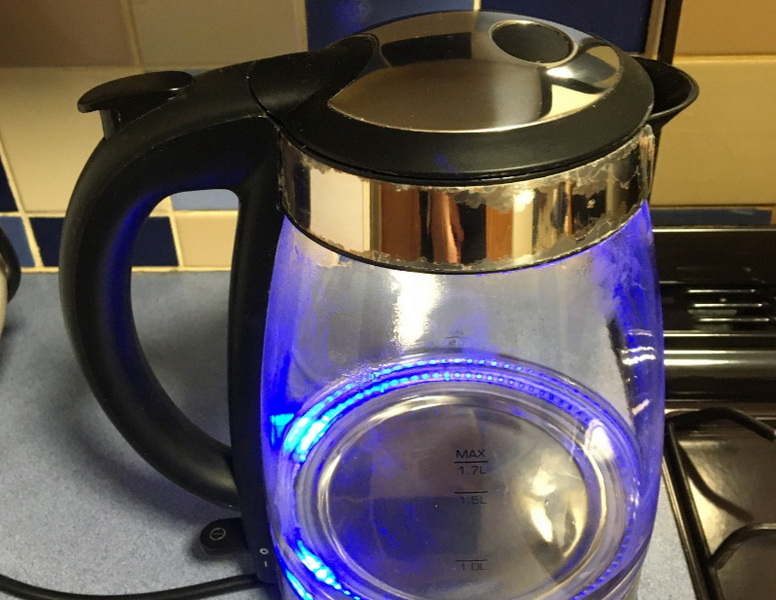
Electric kettles are designed to heat water rapidly and efficiently. They typically consist of a heating element at the bottom, a thermostat or thermocouple to control the temperature, and a switch that turns off the kettle when the water reaches boiling point. The boiling point of water is 100°C (212°F) at sea level, but this can vary with altitude due to changes in atmospheric pressure.
- Heating Element: This is usually located at the bottom of the kettle and is responsible for heating the water.
- Thermostat or Thermocouple: These components help regulate the temperature by turning off the heating element once the water reaches a certain temperature.
- Switch Mechanism: Often a bimetallic strip that deforms with heat, triggering the kettle to switch off.
Most electric kettles work by using a heating element to warm the water until it boils. The boiling process is detected by a thermostat or thermocouple, which then triggers the kettle to turn off. However, the exact temperature at which the kettle switches off can vary depending on the model and altitude.
The boiling point of water decreases with altitude due to lower atmospheric pressure. For every 500 feet of altitude gain, the boiling point drops by about 1°F (0.56°C). This means that at higher altitudes, water may not reach 100°C (212°F) when it boils.
Different beverages require water at specific temperatures for optimal flavor and aroma. For example, black tea typically requires boiling water (around 100°C or 212°F), while green tea is best brewed with water at a lower temperature, around 70°C to 85°C (158°F to 185°F).
Some electric kettles offer variable temperature settings, allowing users to select the perfect temperature for their beverage. These kettles are particularly useful for tea enthusiasts who need precise control over water temperature.
The Wolf Gourmet True Temperature Electric Kettle is an example of such a kettle, offering customizable manual temperature settings from 95°F to 212°F (35°C to 100°C). This range allows users to heat water for a variety of beverages, including green, white, oolong, and black/herbal teas, as well as pour-over coffee and instant soups[2].
Using an electric kettle is straightforward. Simply fill it with water, place it on its base, and press the switch to start heating. For kettles with variable temperature settings, select the desired temperature before heating.
- Cleaning: Regularly clean the kettle to prevent mineral buildup, which can affect performance and taste.
- Descale: If you live in an area with hard water, descale your kettle periodically to maintain efficiency.
- Temperature Selection: Choose the right temperature for your beverage to ensure optimal flavor.

Water temperature plays a crucial role in coffee brewing. The ideal temperature for brewing coffee is between 88°C and 98°C (190°F to 208°F), as this range allows for optimal extraction of flavors without over-extracting, which can lead to bitterness[8]. Using a temperature-controlled kettle can help achieve this precise temperature, allowing for a more balanced cup.
Each type of tea has an ideal brewing temperature. For instance, black tea is best brewed with boiling water, while green tea requires cooler water to prevent over-extraction of tannins, which can make the tea taste astringent[6]. The correct temperature can unlock the full flavor potential of the tea leaves.
Modern electric kettles often come with advanced features such as programmable extended keep warm settings and double-wall thermal insulation. These features allow users to maintain the water temperature for a longer period, making it convenient to prepare multiple beverages without reheating the kettle.
This feature is particularly useful for households where multiple hot beverages are consumed throughout the day. It ensures that the water remains at the desired temperature for up to an hour, saving time and energy.
This design keeps the exterior of the kettle cool while maintaining the internal water temperature. It is energy-efficient and safe to handle, even when the kettle is filled with hot water.
Electric kettles are versatile appliances that can quickly boil water for various beverages. Understanding how they work and the factors affecting water temperature can help users achieve the perfect brew. Whether you prefer a simple boil or precise temperature control, there's an electric kettle designed to meet your needs.

The boiling point of water at sea level is 100°C (212°F).
For every 500 feet of altitude gain, the boiling point of water decreases by about 1°F (0.56°C).
Variable temperature electric kettles allow users to select specific temperatures for brewing different types of tea or coffee.
Different teas require specific temperatures for optimal flavor and aroma. For example, black tea is best brewed with boiling water, while green tea requires lower temperatures.
Use a thermometer to check the temperature, especially if your kettle does not have variable temperature settings. For precise control, consider using a kettle with customizable temperature options.
[1] https://www.waterpeople.com.au/resource-centre/how-hot-are-boiling-water-taps
[2] https://wolfgourmet.com/store/countertop-appliances/true-temperature-electric-kettle
[3] https://www.coffeebean.com/blog/our-coffee/water-and-coffee-understanding-how-temperature-affects-your-cup
[4] https://www.explainthatstuff.com/how-electric-kettles-work.html
[5] https://teawithgary.com/2024/03/28/temperature-time-and-lying-kettles/
[6] https://rishi-tea.com/blogs/journal/why-water-temperature-is-important-when-brewing-tea
[7] https://www.seriouseats.com/equipment-the-best-electric-kettles
[8] https://www.padrecoffee.com.au/blogs/news/the-impact-of-water-on-coffee-brewing-why-it-matters
[9] https://www.reddit.com/r/tea/comments/omdm47/tea_kettle_temperature_range/
[10] https://cooking.stackexchange.com/questions/49073/what-is-water-temperature-after-electric-kettle-switches-off
[11] https://fellowproducts.com/products/stagg-ekg-electric-pour-over-kettle
[12] https://pumphreys-coffee.co.uk/blog/can-water-temperature-impact-your-coffee/
[13] https://www.reddit.com/r/explainlikeimfive/comments/2rql13/eli5_if_the_boiling_point_of_water_is_100_degrees/
[14] https://www.nature.com/articles/s41598-020-73341-4
[15] https://www.bestbuy.com/site/questions/caribou-coffee-0-8l-electric-kettle-stainless-steel/5578747/question/060b8353-4f22-3d13-8b0c-25dd169c0e99
[16] https://www.researchgate.net/publication/263598448_Effect_of_water_temperature_and_time_on_caffeine_extraction_from_coffee
[17] https://www.epicurious.com/expert-advice/best-electric-kettles-for-tea-article
[18] https://marcobeveragesystems.com/how-water-quality-temperature-affect-your-tea/
[19] https://www.kitchenaid.com/pinch-of-help/countertop-appliances/how-to-use-a-kettle.html
[20] https://www.sugimotousa.com/blog/the-impact-of-water-temperature-on-green-tea


