

Views: 222 Author: Rebecca Publish Time: 2025-02-16 Origin: Site


Content Menu
● Material Composition of the Kettle
● Detailed Look at Material Impacts
● The Critical Role of Water Quality
● The Boiling Process and Taste Alterations
● Maintaining Your Kettle for Optimal Flavor
● Choosing the Right Kettle for the Best Taste
● Exploring Kettle Materials and Their Impact on Heating and Water Quality
● The Boiling Point Elevation Phenomenon
● Addressing Common Concerns and Misconceptions
● The Influence of Kettle Design on Water Flavor
● Personalizing Your Kettle Experience
● FAQ
>> 1. Why does my water taste like plastic after boiling it in my new kettle?
>> 2. Does reboiling water really affect the taste?
>> 3. How often should I clean my electric kettle?
>> 4. Can the heating method of the kettle affect the taste of water?
>> 5. Is it better to use filtered water in my electric kettle?
Electric kettles have revolutionized the way we prepare hot beverages and meals, offering a swift and efficient method for boiling water. However, a common concern among users is whether these appliances alter the taste of water. This article delves into the various factors influencing the flavor of water boiled in an electric kettle, examining the impact of materials, water quality, kettle maintenance, and more. By understanding these elements, you can ensure that your kettle enhances rather than detracts from your drinking experience.

The materials used in constructing an electric kettle are paramount in determining whether it will affect the water's taste. Kettles are commonly made from plastic, stainless steel, glass, or ceramic, each possessing distinct properties that interact differently with water during the heating process[5].
- Plastic: Plastic kettles are often the most affordable and lightweight. However, concerns exist regarding the potential leaching of chemicals, especially with lower-quality plastics. These chemicals can impart a plasticky or chlorine-like taste to the water[1][5]. The type of plastic used is crucial; BPA-free plastics are safer but may still affect the taste[5].
- Stainless Steel: Stainless steel kettles are a popular choice due to their durability and resistance to rust. High-quality stainless steel is generally non-reactive and doesn't leach chemicals into the water[5]. However, some users report a metallic taste, particularly with certain grades of stainless steel or in kettles that haven't been properly seasoned[5].
- Glass: Glass kettles are favored for their purity and aesthetic appeal. Being an inert material, glass does not typically alter the taste of water[5]. This makes glass kettles an excellent option for those sensitive to taste changes or who want to ensure the purest flavor possible. However, glass kettles can be more fragile and require careful handling[5].
- Ceramic: Ceramic kettles share similar benefits with glass, being inert and unlikely to affect the water's taste[5]. They also offer an elegant look but can be heavier and more prone to damage than other materials.
To better understand how each material affects water flavor, let's examine the nuances:
| Material | Pros | Cons | Potential Flavor Impact |
|---|---|---|---|
| Plastic | Affordable, lightweight | Potential leaching of chemicals, may affect taste | Plasticky or chlorine-like taste, especially in low-quality kettles15 |
| Stainless Steel | Durable, rust-resistant, generally safe | Some may impart a metallic taste, can be more expensive | Metallic taste, particularly with certain types of stainless steel5 |
| Glass | Inert, preserves pure taste, aesthetically pleasing | More fragile, can be heavier | None, as glass is inert and does not leach chemicals5 |
| Ceramic | Inert, preserves pure taste, elegant appearance | Can be heavy, more prone to damage | None, similar to glass due to its inert nature5 |
The quality of the water you use is just as crucial as the kettle's material. Tap water often contains additives like chlorine and minerals that can affect its taste, especially when heated[2].
- Tap Water: Depending on your location, tap water can vary significantly in taste due to the presence of chlorine, fluoride, and other chemicals used for disinfection[1]. These substances can become more pronounced when water is heated, leading to an unpleasant taste[1].
- Filtered Water: Using filtered water can significantly improve the taste of your boiled water. Filters remove impurities, chlorine, and other unwanted substances, providing a cleaner and purer taste[2]. Various filtration methods are available, including pitcher filters, faucet filters, and whole-house filtration systems, each offering different levels of purification[2].
- Type of Filter: Different types of filters remove different impurities. Activated carbon filters are effective at removing chlorine and organic compounds, while reverse osmosis systems remove a broader range of contaminants, including minerals[2]. Choosing the right filter depends on the specific issues with your water supply[2].
The act of boiling water itself can alter its taste. When water boils, dissolved gases like carbon dioxide are released, which can make the water taste flat or bland[2].
- Deoxygenation: Boiling removes oxygen from the water, which some believe affects the vibrancy and flavor of beverages made with it[2]. Using freshly boiled water is often recommended to retain some of these dissolved gases[2].
- Reboiling: Reboiling water can exacerbate the flatness and concentrate minerals, further altering the taste[2]. It's generally advisable to use fresh water each time you boil[2].
- Mineral Concentration: As water evaporates during boiling, minerals like calcium and magnesium become more concentrated. This can lead to a noticeable change in taste, especially if you live in an area with hard water[2].
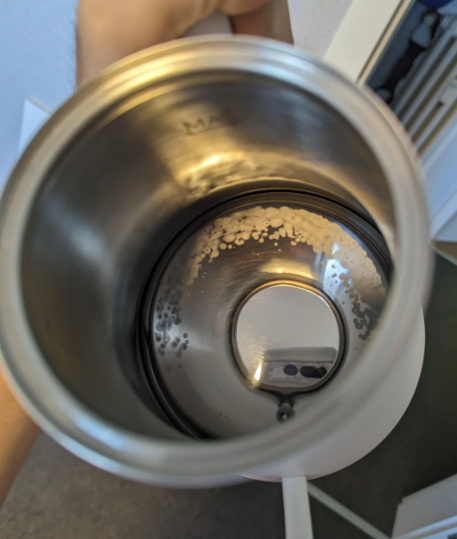
Proper maintenance of your electric kettle is essential to ensure the best possible taste. Mineral buildup and scale can accumulate over time, affecting both the kettle's performance and the water's flavor[3][7].
- Regular Cleaning: Cleaning your kettle regularly helps prevent mineral buildup and removes any residue that could affect the taste of your water[3][7].
- Descaling: Descaling involves removing limescale, which is a common issue, especially in areas with hard water. Limescale not only affects the taste but can also reduce the kettle's efficiency and lifespan[3][7].
- Cleaning Methods: Several methods can be used for cleaning and descaling:
a. Vinegar Solution: Fill the kettle with equal parts white vinegar and water, boil the solution, and let it sit for an hour. Rinse thoroughly to remove any vinegar taste[3][7].
b. Citric Acid: Use a citric acid solution instead of vinegar. Mix a teaspoon of citric acid with water, fill the kettle, and let it sit for an hour. Rinse thoroughly[3].
c. Commercial Descalers: Commercial descaling solutions are available and specifically designed for electric kettles. Follow the instructions on the packaging carefully[3][7].
- External Cleaning: Don't forget to clean the exterior of your kettle. Wipe it down with a damp cloth to keep it looking its best[3].
Beyond the kettle's material, water quality, and maintenance, other factors can subtly influence the taste of your boiled water.
- Heating Method: The method by which the kettle heats water can play a role. Some kettles use direct heating elements, while others use induction heating. While the difference is subtle, some believe induction heating provides a more consistent and cleaner taste[5].
- Storage: How you store your kettle when not in use can also affect the taste. Leaving the lid open allows any residual moisture to evaporate, preventing the growth of mold or mildew, which can impact the water's flavor[3].
- Personal Perception: Taste perception is subjective and varies from person to person. Some individuals are more sensitive to subtle changes in water flavor than others. Factors like your overall health, diet, and even the time of day can influence how you perceive taste[4].
Selecting the right electric kettle involves considering several factors to minimize any potential flavor alterations:
1. Material Selection:
- Glass Kettles: These are excellent for ensuring pure taste due to their inert nature[5].
- Stainless Steel Kettles: Opt for high-quality stainless steel to avoid any metallic taste[5].
- Plastic Kettles: If choosing plastic, ensure it is BPA-free and from a reputable brand[5].
2. Water Filtration:
- Filtered Water: Always use filtered water to reduce impurities and improve taste[2].
- Filter Type: Select a filter that addresses the specific contaminants in your water supply[2].
3. Maintenance Practices:
- Regular Descaling: Descale your kettle regularly to prevent mineral buildup[3][7].
- Proper Cleaning: Clean both the interior and exterior of the kettle[3].
4. Usage Habits:
- Fresh Water: Use fresh water each time you boil[2].
- Avoid Overboiling: Boil only the amount of water you need[3].
5. Features:
- Temperature Control: Some kettles offer temperature control, which can be beneficial for brewing different types of tea and coffee[5].
- Automatic Shut-Off: Ensure the kettle has an automatic shut-off feature for safety[5].
Different kettle materials impact heating efficiency and water quality. Stainless steel generally heats water faster due to its superior heat conductivity. Glass kettles, while effective, may heat slightly slower due to their heat retention properties. Plastic kettles can vary but often take longer to heat water and may not maintain the temperature as effectively[5].
- Stainless Steel: Known for its durability and efficient heating, stainless steel is a popular choice. High-quality stainless steel does not leach chemicals, ensuring water purity[5].
- Glass: Glass kettles provide excellent water purity as they are inert and do not impart any flavors or chemicals into the water. They are ideal for those who prioritize taste and safety[5].
- Plastic: Plastic kettles are more affordable but can pose risks if made from lower-quality materials. They may leach harmful substances, especially when heated, affecting water quality[5].
The boiling point of water can be affected by the presence of dissolved substances. This phenomenon, known as boiling point elevation, occurs because the dissolved substances interfere with the water molecules' ability to vaporize[6]. While the effect is minimal in typical tap water, it can become more noticeable with concentrated solutions.
- Impact on Taste: The boiling point elevation can indirectly affect the taste of water by altering the rate at which volatile compounds evaporate. These compounds contribute to the overall flavor profile of the water, and changes in their evaporation rate can lead to subtle taste differences[6].
- Water Purity: The presence of impurities can also affect the clarity and appearance of boiled water. Suspended particles can scatter light, making the water appear cloudy or murky. Filtration can help remove these particles, resulting in clearer and better-tasting water[6].
Several misconceptions surround the use of electric kettles and their impact on water quality. Addressing these concerns can help users make informed decisions and ensure a better drinking experience.
- Repeatedly Boiled Water: There is a common belief that repeatedly boiling water is harmful. However, studies show that tap water remains safe and potable even after frequent boiling. The water quality changes are minimal and not as significant as one might expect[6].
- Chlorine Concentration: Some people worry that boiling water increases the concentration of chlorine. While boiling can reduce the amount of chlorine in water, it does not eliminate it entirely. Using filtered water is still the most effective way to remove chlorine and other impurities[1][6].
- Mineral Content: Boiling water can concentrate minerals, but this is not necessarily harmful. In fact, some minerals are beneficial for health. However, excessive mineral buildup can affect the taste and performance of the kettle, highlighting the importance of regular descaling[2][3].
The design of an electric kettle can also play a role in the taste of water. Factors such as the shape of the kettle, the placement of the heating element, and the design of the spout can all influence the boiling process and the resulting flavor[5].
- Shape and Size: The kettle's shape and size can affect how evenly the water heats. Kettles with a wider base tend to heat water more quickly and uniformly than those with a narrow base[5].
- Heating Element: The placement of the heating element is crucial. Kettles with concealed heating elements are easier to clean and less prone to mineral buildup compared to those with exposed elements[5].
- Spout Design: The design of the spout can affect the pour and the amount of steam that escapes during boiling. A well-designed spout can prevent drips and spills, while a tightly sealed lid can help retain heat[5].
Ultimately, the best way to determine whether your electric kettle affects the taste of water is to experiment and find what works best for you. Try different types of water, cleaning methods, and kettle materials to discover your preferences.
- Taste Tests: Conduct blind taste tests using water boiled in different kettles to see if you can detect any differences. This can help you identify whether certain materials or kettle designs have a noticeable impact on the taste[4].
- Brewing Different Beverages: Pay attention to how the water tastes when used to brew different types of tea, coffee, and other beverages. Subtle differences in water flavor can be more apparent when combined with other ingredients[4].
- Adjusting Your Preferences: Once you've identified your preferences, adjust your kettle usage and maintenance habits accordingly. This may involve using filtered water, descaling more frequently, or choosing a kettle made from a specific material[4].
Electric kettles are indispensable appliances that offer convenience and speed in boiling water. However, they can influence the flavor of water through various factors, including their material composition, the quality of water used, and maintenance practices. Choosing kettles made from inert materials such as glass or high-quality stainless steel, using filtered water, and regularly cleaning your kettle can significantly enhance the taste of your hot beverages. By understanding these nuances and taking proactive steps, you can ensure that your electric kettle provides the best possible taste for your daily brews.
Low-quality plastic kettles may leach chemicals into the water, resulting in a plasticky taste. Try using a glass or stainless steel kettle instead[1][5].
Yes, reboiling water can remove dissolved gases, making it taste flat. It can also concentrate minerals, which may alter the taste[2].
You should descale your kettle regularly, depending on your water hardness. Generally, descaling every one to three months is recommended to prevent mineral buildup[3][7].
Some people believe that different heating methods can influence taste. For example, induction heaters might produce water with a lighter body compared to electric heaters[5].
Yes, using filtered water can reduce impurities like chlorine and minerals, which can improve the taste of your beverages[2].
[1] https://cooking.stackexchange.com/questions/121835/do-electric-tea-kettles-make-chlorinated-water-taste-worse-than-microwaving-it
[2] https://www.reddit.com/r/FlairEspresso/comments/1d3fgsy/reboiled_water_and_its_effects_on_taste/
[3] https://geepas.co.uk/blogs/magazine/electric-kettle-maintenance-101
[4] https://www.mumsnet.com/talk/housekeeping/1132281-New-kettle-water-tastes-disgusting
[5] https://www.yongkeng.com/how-do-different-kettle-materials-affect-heating-and-water-quality.html
[6] https://iwaponline.com/jwh/article/18/5/631/75644/Quality-change-mechanism-and-drinking-safety-of
[7] https://mycleaningmate.com/how-to-clean-an-electric-kettle/
[8] http://teamasters.blogspot.com/2008/05/water-from-different-kettles.html
[9] https://www.tasteofhome.com/article/electric-tea-kettle-review/
[10] https://beantin.net/the-kettle-that-never-boils/
[11] https://www.yongkeng.com/how-do-different-kettle-materials-affect-heating-and-water-temperature-control.html
[12] https://mytapscore.com/blogs/tips-for-taps/should-i-boil-my-tap-water
[13] https://www.thepioneerwoman.com/home-lifestyle/a39785956/how-to-clean-electric-kettle/
[14] https://www.instagram.com/puerh_medicine/reel/DGBSiu2u-mS/
[15] https://www.mumsnet.com/talk/housekeeping/2290536-What-can-I-do-to-new-kettle-to-stop-water-tasting-disgusting
[16] https://www.home-barista.com/brewing/yes-kettles-can-affect-taste-t58873.html
[17] https://www.researchgate.net/publication/263996453_The_Effect_of_Boiling_Water_on_DBPs_and_Taste-and-Odor_Compounds_in_Drinking_Water
[18] https://www.olgasflavorfactory.com/olgastips/how-to-clean-an-electric-kettle/
[19] https://chemistry.stackexchange.com/questions/4094/white-powder-observed-after-boiling-water-in-electric-kettle-for-many-weeks
[20] https://www.ukcampsite.co.uk/chatter/display_topic_threads.asp?ForumID=6&TopicID=251636


