

Views: 222 Author: Rebecca Publish Time: 2025-02-14 Origin: Site


Content Menu
● What is a Rapid Boil Kettle?
● How Do Rapid Boil Kettles Work?
● Energy Efficiency Compared to Regular Kettles
● Factors Affecting Energy Consumption
● Comparing Rapid Boil Kettles to Other Methods of Boiling Water
>> Electric Kettle vs. Stovetop
>> Electric Kettle vs. Microwave
● Benefits of Using a Rapid Boil Kettle
● The Science Behind Rapid Boiling
>> Power Input
>> Thermal Conductivity and Heat Transfer
>> Insulation and Heat Retention
● Advanced Features in Modern Rapid Boil Kettles
>> Variable Temperature Control
● How to Choose the Right Rapid Boil Kettle for Your Needs
>> Capacity
>> Wattage
>> Material
>> Features
● Maintenance Tips for Energy-Efficient Kettles
>> Descaling
>> Cleaning
>> Water Level
>> Storage
● Real-World Examples and Case Studies
>> Case Study 1: Household Energy Audit
>> Case Study 2: Office Environment
>> Example: Eco-Conscious Consumer
● The Future of Electric Kettles
● FAQ
>> 1. Are rapid boil kettles worth the investment?
>> 2. How much money can I save with an energy-efficient kettle?
>> 3. Do rapid boil kettles really boil water faster?
>> 4. Are there any drawbacks to using a rapid boil kettle?
>> 5. How can I maximize energy savings with my electric kettle?
Electric kettles have become a staple in many households, offering a quick and convenient way to boil water for tea, coffee, and other hot beverages. With growing concerns about energy consumption and environmental impact, many consumers are looking for ways to reduce their electricity bills and carbon footprint. Rapid boil kettles have emerged as a popular option, promising faster boiling times and energy savings. But do these kettles really save electricity? This article delves into the science and technology behind rapid boil kettles to determine their energy efficiency and overall benefits.
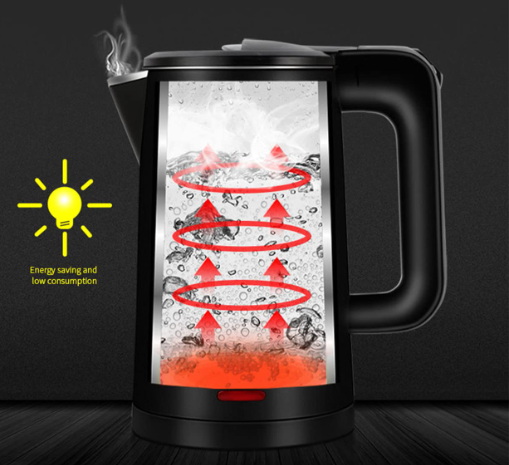
A rapid boil kettle is an electric kettle designed to heat water faster than traditional models. These kettles typically feature a high-wattage heating element that quickly raises the water temperature to boiling point. The primary goal is to reduce the amount of time it takes to boil water, which in turn, may lead to energy savings.
Rapid boil kettles operate on a simple principle: electricity is passed through a heating element, which converts electrical energy into heat. This heat is then transferred to the water, raising its temperature until it reaches boiling point. The efficiency of this process and the speed at which it occurs are key factors in determining whether a rapid boil kettle saves electricity.
The key components of a rapid boil kettle include:
- Heating Element: Typically made of stainless steel, the heating element is designed to resist corrosion and efficiently transfer heat to the water.
- Power Cord and Base: The kettle connects to a power source via a cord and base, which includes safety features such as automatic shut-off.
- Water Level Indicator: This allows users to boil only the necessary amount of water, reducing energy waste.
- Temperature Control: Some models offer variable temperature settings, allowing users to heat water to specific temperatures for different types of beverages.
One of the main claims of rapid boil kettles is their ability to save energy compared to regular kettles. This efficiency is achieved through several design features:
- Insulation: Many energy-efficient kettles have a double-walled construction that helps retain heat, reducing the need to reboil.
- Rapid Boil Technology: These kettles are equipped with elements that heat water faster, minimizing energy use.
- Variable Temperature Settings: Allowing you to heat water to the exact temperature needed for different types of beverages, avoiding unnecessary energy expenditure.
- Auto Shut-Off: Prevents over-boiling and reduces energy waste by turning off the kettle once the water reaches the desired temperature.
Energy-efficient electric kettles can use up to 20-30% less energy than standard kettles. This difference is primarily due to the improved insulation and faster boiling times. Regular kettles often lose heat and require more energy to bring water to a boil.
Switching to an energy-efficient electric kettle can result in significant savings over time. On average, households can save between $10 to $20 annually on their electricity bills. While this may seem modest, it adds up over the lifespan of the kettle, especially when combined with other energy-saving practices.
Several factors influence the energy consumption of a rapid boil kettle:
- Wattage: Kettles with higher wattage heating elements typically boil water faster but consume more electricity during operation.
- Water Volume: Boiling only the necessary amount of water can significantly reduce energy consumption.
- Insulation: Better insulation helps retain heat, reducing the need to reboil water.
- Usage Habits: Frequent boiling and reboiling of water can increase energy consumption.
- Electric Kettle: Approximately 80% efficient.
- Electric Stovetop: Approximately 70% efficient, varying based on the pot or kettle used.
- Electric Kettle: Approximately 80% efficient.
- Microwave: Approximately 50% efficient, with most energy lost during the conversion of electricity to microwaves.
The energy transfer for the electric kettle is very efficient. For the gas stove, it's inefficient. So much heat is lost to the surroundings.
Using an energy-efficient electric kettle can significantly reduce your energy bills. By using less electricity, these kettles help lower your overall energy consumption, leading to cost savings in the long run.
By consuming less energy, these kettles contribute to a reduction in greenhouse gas emissions. This makes them an eco-friendly choice for those looking to minimize their carbon footprint.
Energy-efficient kettles often come with rapid boil technology, allowing you to heat water quickly. This not only saves time but also ensures you can enjoy your hot beverages faster.
Many energy-efficient kettles come with auto shut-off and boil-dry protection, ensuring safety during use. These features prevent the kettle from overheating or boiling dry, reducing the risk of accidents.
The rapid boiling capabilities of modern electric kettles are not just marketing hype; they are rooted in sound scientific principles. Several factors contribute to the efficiency and speed of these devices.
The heating element is the heart of any electric kettle. In rapid boil kettles, the element is typically made of high-grade stainless steel and is designed to maximize heat transfer to the water. The element's shape and placement are optimized to ensure even heating, preventing hotspots that could reduce efficiency.
Rapid boil kettles often have a higher power input, typically ranging from 1500 to 3000 watts. This higher wattage allows the kettle to deliver more energy to the water in a shorter amount of time, resulting in faster boiling. However, it's important to note that while higher wattage means faster boiling, it also means higher instantaneous power consumption.
The thermal conductivity of the materials used in the kettle's construction plays a crucial role in its efficiency. Stainless steel, commonly used in heating elements and kettle bodies, has good thermal conductivity, allowing heat to be transferred quickly and efficiently to the water. The principle of heat transfer, governed by Fourier's Law, dictates that the rate of heat transfer is proportional to the temperature gradient and the thermal conductivity of the material.
Effective insulation minimizes heat loss from the kettle, ensuring that more of the energy is used to heat the water rather than being dissipated into the surrounding environment. Double-walled designs and the use of insulating materials can significantly reduce heat loss, improving overall efficiency.
Modern rapid boil kettles come equipped with a range of advanced features that enhance their performance, safety, and convenience.
Many high-end rapid boil kettles offer variable temperature control, allowing users to select the precise temperature they need for different types of beverages. For example, green tea requires a lower temperature than black tea or coffee. This feature not only optimizes the flavor of the beverage but also saves energy by preventing the water from being overheated.
Some kettles include a keep-warm function, which maintains the water at a specific temperature for an extended period. This feature is particularly useful for those who frequently need hot water throughout the day. While the keep-warm function does consume some energy, it can be more efficient than repeatedly boiling small amounts of water.
With the advent of smart home technology, smart kettles are becoming increasingly popular. These kettles can be controlled via smartphone apps or voice commands, allowing users to remotely start boiling water or set schedules. Smart kettles often provide energy usage data, helping users track their consumption and identify areas for improvement.
Some rapid boil kettles incorporate water filtration systems, which remove impurities and improve the taste of the water. These systems typically use activated carbon filters to remove chlorine, sediment, and other contaminants. While filtration does not directly impact energy efficiency, it enhances the overall user experience.
When selecting a rapid boil kettle, there are several factors to consider to ensure you choose a model that meets your needs and offers the best energy efficiency.
The capacity of the kettle should be chosen based on your typical usage patterns. If you usually boil water for just one or two cups, a smaller capacity kettle may be more efficient. Conversely, if you frequently boil water for larger groups, a larger capacity kettle will be more suitable.
As mentioned earlier, higher wattage kettles boil water faster but consume more power during operation. Consider the trade-off between speed and energy consumption when selecting a kettle. A kettle with a wattage in the range of 1500 to 2000 watts typically offers a good balance.
The material of the kettle body and heating element can impact its durability and energy efficiency. Stainless steel is a popular choice due to its durability, resistance to corrosion, and good thermal conductivity. Glass kettles offer aesthetic appeal but may not be as durable as stainless steel models.
Consider the advanced features offered by different kettles, such as variable temperature control, keep-warm function, and smart connectivity. Choose features that align with your specific needs and usage habits.
Research different brands and read customer reviews to get an idea of the kettle's reliability and performance. Established brands often have a reputation for quality and may offer better warranties and customer support.
Proper maintenance can help extend the lifespan of your rapid boil kettle and ensure it continues to operate efficiently.
Over time, mineral deposits can accumulate on the heating element and inside the kettle, reducing its efficiency and potentially affecting the taste of the water. Regular descaling is essential to remove these deposits. You can use commercial descaling products or a mixture of vinegar and water.
Clean the exterior of the kettle regularly with a damp cloth to remove dust and stains. Avoid using abrasive cleaners, as they can damage the surface.
Always fill the kettle with the appropriate amount of water. Overfilling can waste energy, while underfilling can cause the kettle to overheat.
When not in use, store the kettle in a dry place away from direct sunlight and extreme temperatures.
To further illustrate the energy-saving potential of rapid boil kettles, let's consider some real-world examples and case studies.
A household conducted an energy audit and found that their traditional electric kettle was one of the biggest energy consumers. They replaced it with an energy-efficient rapid boil kettle and tracked their energy usage for a month. The results showed a 15% reduction in overall electricity consumption, leading to significant cost savings.
An office replaced its standard electric kettles with rapid boil kettles in the break room. The rapid boil kettles reduced the amount of time employees spent waiting for water to boil, increasing productivity.
An eco-conscious consumer switched to a rapid boil kettle with variable temperature control to reduce their environmental impact. They found that they were able to heat water to the precise temperature needed for their favorite teas, avoiding unnecessary energy consumption.
The future of electric kettles is likely to be shaped by technological advancements and increasing awareness of energy efficiency. We can expect to see more smart kettles with advanced features, improved insulation, and more efficient heating elements. As consumers become more environmentally conscious, manufacturers will continue to innovate and develop kettles that offer both convenience and sustainability.
Rapid boil kettles can save electricity compared to regular kettles due to their improved insulation, faster boiling times, and other energy-saving features. While the actual energy savings may vary depending on usage habits and specific models, choosing an energy-efficient rapid boil kettle can lead to lower electricity bills and a reduced environmental impact. By understanding the science behind rapid boiling, considering the factors that affect energy consumption, and choosing the right kettle for your needs, you can maximize the benefits of this convenient and energy-efficient appliance.

Yes, rapid boil kettles are generally worth the investment. They offer faster boiling times, energy savings, and safety features such as auto shut-off and boil-dry protection.
Households can save between $10 to $20 annually on their electricity bills by switching to an energy-efficient electric kettle.
Yes, rapid boil kettles are designed to heat water more quickly than traditional kettles, thanks to their high-wattage heating elements.
Some rapid boil kettles may consume more power during operation due to their high wattage, but the faster boiling times usually offset this.
To maximize energy savings, boil only the necessary amount of water, use a kettle with good insulation, and avoid reboiling water unnecessarily.


