

Views: 222 Author: Rebecca Publish Time: 2025-02-14 Origin: Site


Content Menu
● Understanding Electric Kettles
>> Common Materials Used in Electric Kettles
● The Cancer Connection: What the Research Says
>> Chemical Leaching from Kettles
>> Electromagnetic Fields (EMFs)
● Keurig Kettles: What to Consider
● Weighing the Myths and Realities
● Choosing a Safer Electric Kettle
● Additional Health Concerns with K-Cups
● Practical Steps for Safer Use
● The Importance of Independent Research
● Exploring Alternative Brewing Methods
● The Role of Regulatory Agencies
● Future Directions in Kettle Technology
● FAQ
>> 1. Can using an electric kettle lead to cancer?
>> 2. What materials should I avoid in an electric kettle?
>> 3. Are stainless steel kettles safe?
>> 4. How often should I clean my electric kettle?
>> 5. What should I do if my kettle has a Proposition 65 warning?
Electric kettles have become indispensable appliances in modern kitchens, offering a swift and convenient method for boiling water. Among the myriad brands available, Keurig has risen to prominence, particularly with its single-serve coffee makers and electric kettles. However, rising health concerns have sparked questions about the safety of using plastic electric kettles, especially regarding potential cancer risks. This article explores the possible dangers associated with Keurig plastic electric kettles, examining the materials used, the risks of chemical leaching, and the broader context of cancer causation.
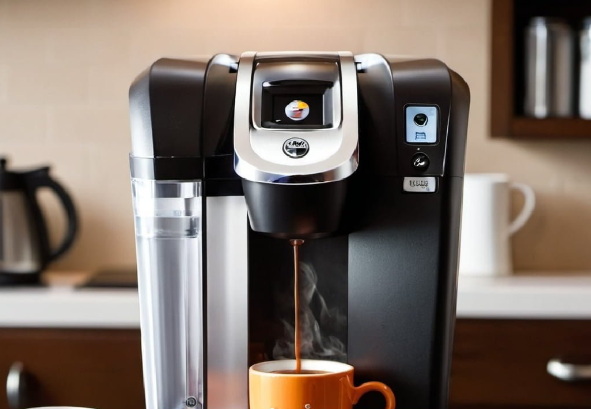
Electric kettles are engineered to rapidly heat water using an electric heating element. These kettles come in various materials, including plastic, glass, and stainless steel. The material choice is crucial as it impacts the kettle's durability and safety profile.
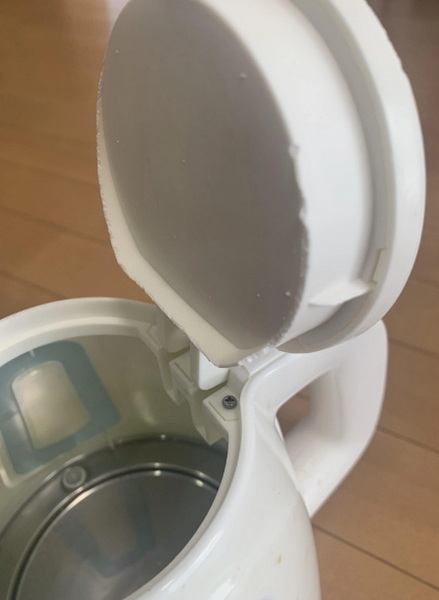
- Plastic: Many electric kettles incorporate plastic, which may contain harmful chemicals like Bisphenol A (BPA). BPA is an endocrine disruptor linked to various health issues, including reproductive problems and certain cancers. The problem with plastic is not just limited to BPA. Other plasticizers, like phthalates, can also leach into the water. These chemicals are used to make plastics more flexible and durable but have been linked to hormone disruption and developmental issues.
- Glass: Glass kettles are often considered a safer alternative because they do not leach chemicals into the boiling water. However, some glass kettles may still have plastic components, such as the base or lid, which could pose risks. The type of glass also matters. Borosilicate glass is more heat-resistant and less likely to crack or shatter under extreme temperature changes compared to regular glass.
- Stainless Steel: Stainless steel kettles are generally regarded as safe since they do not leach harmful substances. However, they can sometimes release trace amounts of metals like nickel and chromium when heated. While these amounts are typically below harmful levels, chronic exposure may pose health risks. The grade of stainless steel is crucial. High-quality stainless steel, like 304 or 316, is more resistant to corrosion and leaching than lower grades.
The primary concern regarding electric kettles and cancer revolves around the potential for harmful chemicals to leach into boiling water. It's essential to understand how these chemicals interact with the human body and the extent of the health risks they pose.
- BPA and Other Plastics: Research indicates that heating water in plastic kettles can lead to significant leaching of BPA and other chemicals into the water. This leaching can occur at high temperatures, particularly with older or lower-quality kettles. Studies have shown that prolonged exposure to BPA can disrupt the endocrine system, leading to hormonal imbalances, reproductive issues, and an increased risk of certain cancers like breast and prostate cancer.
- Heavy Metals: Some studies have shown that stainless steel kettles can leach small amounts of metals like nickel and chromium into the water, especially when used over long periods or at high temperatures. While these amounts are typically below harmful levels, chronic exposure may pose health risks. Nickel, for example, is a known carcinogen and can cause allergic reactions in sensitive individuals.
Another area of concern is the exposure to electromagnetic fields (EMFs) emitted by electric appliances. While current research does not strongly support a direct link between EMF exposure from household appliances and cancer risk, ongoing studies continue to explore this connection. Some studies suggest that prolonged exposure to high levels of EMFs may increase the risk of certain types of cancer, such as leukemia.
Keurig kettles, like many other electric kettles, use plastic components. The concern arises from the potential of these plastics to leach harmful chemicals into the water during heating. It's important to assess the specific materials used in Keurig kettles and their potential impacts on health.
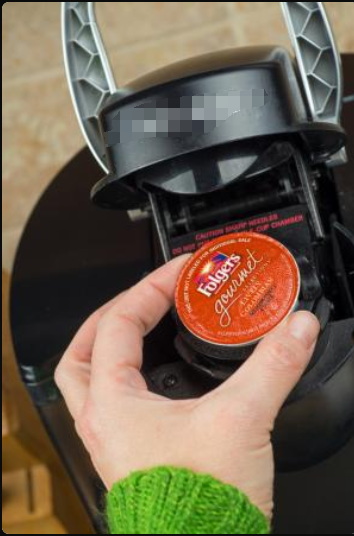
- Material Composition: Keurig states that they do not use BPA in their K-Cups, but studies have shown that the plastic can still affect estrogen levels. This highlights the "BPA-free" label's limitations, as other chemicals used as substitutes may also pose health risks. These BPA substitutes, such as Bisphenol S (BPS), have similar endocrine-disrupting properties and may be just as harmful.
- Aluminum Exposure: The top part of the K-Cup structure is made from aluminum, which can also harm the body when exposed to high heat and acids like coffee. Prolonged exposure to aluminum may cause problems in the brain and has been linked to depression, anxiety, and autoimmune diseases. Aluminum toxicity can lead to neurodegenerative disorders like Alzheimer's disease and Parkinson's disease.
Despite concerns, it is essential to differentiate between myth and reality when discussing electric kettles and cancer risk:
- Myth: All electric kettles cause cancer.
- Reality: There is currently no direct scientific evidence linking electric kettle use to cancer. Factors such as the materials used and maintenance practices play a significant role in safety. It's crucial to focus on minimizing exposure to harmful chemicals through informed choices and regular maintenance.
- Myth: BPA-free means safe.
- Reality: While many products are marketed as BPA-free, they may contain other harmful chemicals that can also pose health risks. Look for products that have been tested and certified by independent organizations to ensure they are free from harmful chemicals.
To minimize potential health risks associated with electric kettles, consumers should consider the following tips:
1. Opt for High-Quality Materials: Choose electric kettles made from glass or stainless steel rather than plastic whenever possible. Glass kettles offer a pure, non-reactive surface, while stainless steel kettles are durable and resistant to corrosion.
2. Check for Certifications: Look for products that meet safety standards and have been tested for chemical leaching. Certifications like NSF (National Sanitation Foundation) and UL (Underwriters Laboratories) indicate that the product has undergone rigorous testing and meets specific safety standards.
3. Regular Maintenance: Clean your kettle regularly to prevent mineral buildup and potential contamination from stagnant water. Mineral deposits can affect the taste of the water and may harbor bacteria.
4. Be Informed About Warnings: Be cautious of products that carry Proposition 65 warnings or similar alerts regarding chemical exposure. These warnings provide valuable information about potential health risks associated with the product.
Beyond the kettle material, K-Cups themselves have raised health concerns:
- Hormone-Disrupting Chemicals: K-Cups are made mostly of plastic, which gets heated as you brew your coffee. As the plastic heats up, some of those chemicals get into the coffee grounds. These chemicals can disrupt the endocrine system, leading to hormonal imbalances and potential health issues.
- Weight Gain: Not all K-Cups are just made with coffee beans. Some include sugar, creamer, and other ingredients that can hinder weight loss goals. These added ingredients can contribute to weight gain and other health problems like diabetes and heart disease.
1. Choose the Right Kettle: Opt for stainless steel or glass kettles to avoid plastic-related chemical leaching. Ensure that all components in contact with water are made of these safe materials.
2. Regular Cleaning: Clean your kettle regularly with vinegar and water to remove mineral deposits. This prevents the buildup of potentially harmful substances.
3. Use Filtered Water: Using filtered water can reduce the mineral buildup and potential contamination. Filtered water also improves the taste of your beverages.
4. Avoid Overheating: Do not overheat the water, as higher temperatures can increase chemical leaching. Only boil the amount of water you need to minimize energy consumption and chemical leaching.
5. Consider the Source of Water: Be aware of the water source. If your tap water contains high levels of contaminants, consider using a water filter to remove these impurities before boiling.
Relying solely on manufacturer claims is not enough when it comes to health and safety. Independent research, including consulting scientific studies and expert reviews, is essential for making informed decisions about the products you use. Look for reputable sources of information, such as government health agencies, academic institutions, and consumer advocacy groups.
If concerns about electric kettles persist, consider exploring alternative brewing methods that minimize contact with plastic and other potentially harmful materials. Some options include:
- Pour-Over Coffee: This method involves manually pouring hot water over coffee grounds in a filter cone, allowing you to control the temperature and brewing time.
- French Press: A French press uses a mesh filter to separate coffee grounds from the brewed coffee, minimizing contact with plastic components.
- Stovetop Kettle: Stovetop kettles made of stainless steel or enamel are a simple and effective way to heat water without using electricity.
Regulatory agencies like the Food and Drug Administration (FDA) play a crucial role in ensuring the safety of consumer products. These agencies set standards for materials used in food contact applications and monitor products for compliance. However, regulatory standards can vary, and some chemicals that are considered safe in one country may be restricted or banned in another. Therefore, staying informed about the regulations in your region is essential.
Ongoing research and development efforts are focused on creating safer and more sustainable electric kettles. This includes exploring new materials, improving manufacturing processes, and implementing stricter quality control measures. As technology advances, we can expect to see more innovative kettle designs that minimize potential health risks and promote environmental sustainability.
While concerns about electric kettles potentially causing cancer have been raised, current scientific evidence does not support a direct causal relationship. The materials used in kettle construction play a significant role in determining safety. By choosing high-quality products and maintaining them properly, consumers can enjoy the convenience of electric kettles without undue worry about health risks. There is no strong scientific evidence linking electric kettle use directly to cancer; however, some materials used in their construction may pose health risks if they leach harmful chemicals.
There is currently no direct scientific evidence linking electric kettle use to cancer. Factors such as the materials used and maintenance practices play a significant role in safety.
Avoid plastic kettles that contain BPA or other harmful chemicals. Opt for glass or stainless steel models for safer options.
Yes, stainless steel kettles are generally considered safe as they do not leach harmful substances into boiling water; however, they may release trace metals over time.
Regular cleaning is recommended to prevent mineral buildup and contamination; ideally, clean your kettle every few weeks or after heavy use.
A Proposition 65 warning indicates potential exposure to chemicals known to cause cancer or reproductive harm; it does not necessarily mean immediate risk. Assess the product's quality and consider alternatives if concerned.
[1] https://www.yongkeng.com/can-electric-kettle-cause-cancer.html
[2] https://dam.keurig.com/content/dam/public-assets/kcom_support/K2500_UCG.pdf
[3] https://www.hollyroser.com/why-k-cups-are-bad-for-your-health-and-the-environment/
[4] https://commercial.keurig.com/p/Keurig-K-2500-Single-Serve-Commercial-Coffee-Maker-with-Water-Reservoir
[5] https://kellythekitchenkop.com/plastic-in-keurig-coffee-makers-toxic/
[6] https://www.reddit.com/r/tea/comments/ues33p/tea_kettle_with_no_plastics_on_it_whatsoever/
[7] https://www.inspire.com/groups/bladder-cancer-advocacy-network/discussion/plastic-in-keurig-cups-and-cancer/
[8] https://fohen.co.uk/blogs/news/boiling-water-in-a-plastic-kettle-can-be-harmful-to-your-health


