

Views: 222 Author: Rebecca Publish Time: 2025-02-14 Origin: Site


Content Menu
● Introduction to Electric Tea Kettles
● How Electric Tea Kettles Work
● The Automatic Shut-Off Feature
● Types of Automatic Shut-Off Mechanisms
● Materials Used in Electric Tea Kettles
● Benefits of Using Electric Tea Kettles
● How to Use an Electric Tea Kettle Safely
● Maintenance Tips for Electric Tea Kettles
● Troubleshooting Common Issues
● Electric Kettles with Programmable Start
● FAQ
>> 1. What is boil-dry protection in an electric kettle?
>> 2. How often should I descale my electric kettle?
>> 3. Can I use vinegar to clean my electric kettle?
>> 4. What type of material is best for an electric kettle?
>> 5. What should I do if my electric kettle starts to smell or smoke?
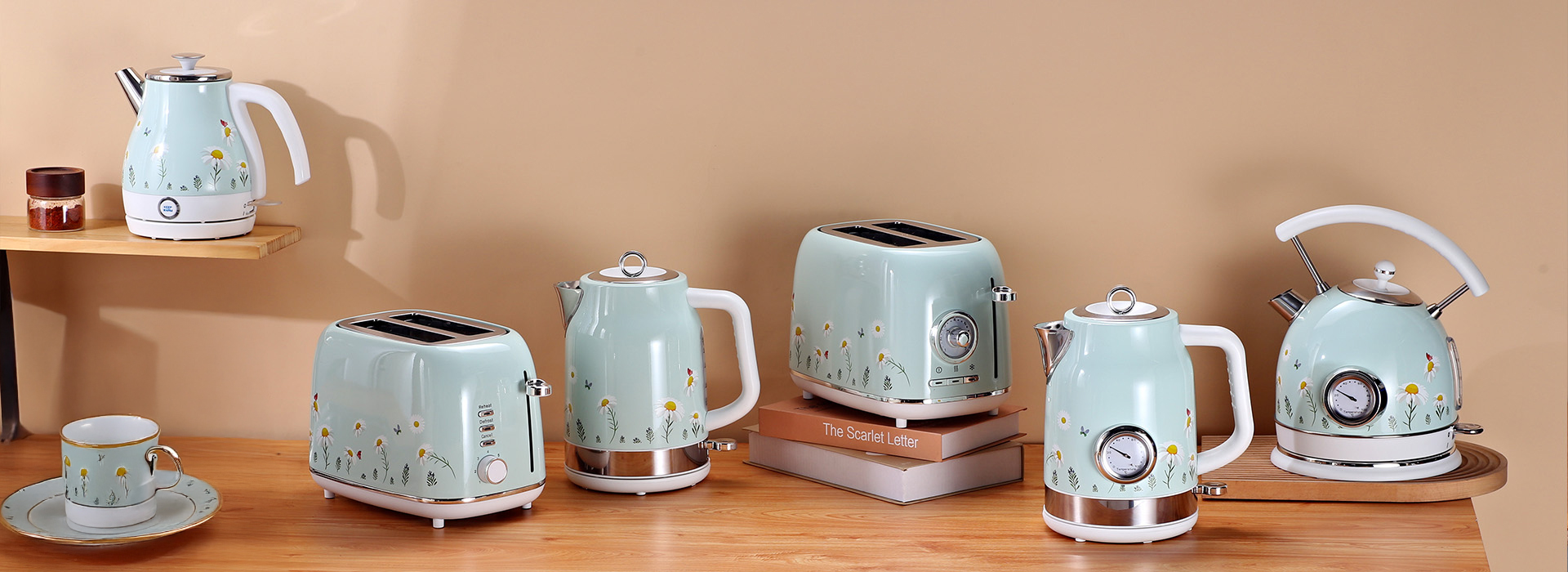
Electric tea kettles have become a staple in modern kitchens, offering a convenient and efficient way to boil water for tea, coffee, and other hot beverages. A key safety feature of these appliances is their automatic shut-off function, which turns the kettle off once the water reaches boiling point or a set temperature. This article delves into the workings of electric tea kettles, their safety features, maintenance, and more, providing a comprehensive guide for users and potential buyers.
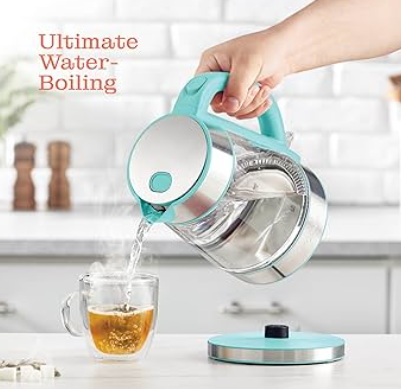
Electric tea kettles are designed to heat water quickly and efficiently using an internal heating element. Unlike traditional stovetop kettles, electric kettles operate independently with a self-contained heating system and automatic controls. This makes them not only faster but also safer and more convenient[2].
The basic mechanism of an electric tea kettle involves an electric heating element placed inside the kettle. When the kettle is turned on, the element heats the water directly. Most electric kettles use a thermostat to monitor the water temperature. Once the water reaches boiling point (100°C or 212°F), the thermostat triggers the automatic shut-off mechanism, turning off the heating element to prevent the kettle from boiling dry or overheating[2].
The automatic shut-off feature is a critical safety component of electric tea kettles. It is designed to prevent accidents and damage to the appliance[2]. Here's how it works:
1. Thermostat Monitoring: A thermostat continuously monitors the water temperature inside the kettle.
2. Boiling Point Detection: Once the water reaches its boiling point, the thermostat detects this change.
3. Automatic Shut-Off Trigger: The thermostat then triggers a switch that cuts off the power supply to the heating element, turning the kettle off automatically[2].
This feature not only prevents the kettle from boiling dry but also saves energy and reduces the risk of fire hazards.
There are primarily two types of automatic shut-off mechanisms used in electric tea kettles:
1. Bi-Metal Switch: This type of switch uses two different metals that expand at different rates when heated. When the boiling point is reached, the differential expansion causes the switch to bend and cut off the power[1].
2. Electronic Thermostat: More advanced kettles use electronic thermostats that provide more precise temperature control. These thermostats use sensors to detect the water temperature and shut off the kettle accordingly[1].
Besides the automatic shut-off, electric tea kettles often come with other safety features:
1. Boil-Dry Protection: This feature ensures that the kettle automatically shuts off if there is insufficient water in the kettle[2]. It prevents the heating element from overheating and causing damage.
2. Cool-Touch Exterior: Many kettles are designed with a cool-touch exterior to prevent burns when handling the kettle[2]. This is particularly important in households with children or pets.
3. Non-Slip Base: A non-slip base helps keep the kettle stable during use, reducing the risk of accidental spills[2].
4. Steam Sensor: Some kettles use a steam sensor located in the lid. When steam rises from the boiling water, it triggers the sensor to shut off the kettle[5].
The materials used in electric tea kettles can impact their safety and durability[2]. Common materials include:
1. Stainless Steel: Stainless steel kettles are durable and do not leach harmful chemicals into the water[2]. High-quality stainless steel, such as 316 stainless steel, is corrosion-resistant and long-lasting[3].
2. Glass: Glass kettles allow users to see the water level and offer a visually appealing design[2]. However, they can be more fragile than metal or plastic kettles.
3. Plastic: Plastic kettles are lightweight and often more affordable[2]. It is crucial to choose BPA-free plastic kettles to minimize health risks.
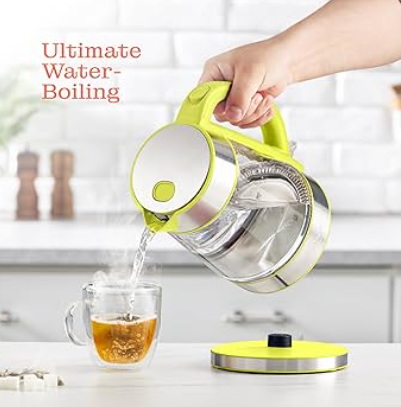
Electric tea kettles offer numerous advantages over traditional stovetop kettles:
1. Speed: Electric kettles heat water much faster than stovetop kettles[4].
2. Convenience: They are easy to use and require minimal supervision[9].
3. Safety: Automatic shut-off and boil-dry protection features enhance safety[2].
4. Precision: Many models offer precise temperature control for different types of tea and coffee[4].
5. Energy Efficiency: Electric kettles are more energy-efficient as they heat only the required amount of water[6].
To ensure safe usage of an electric tea kettle, follow these guidelines:
1. Read the Manual: Always read the manufacturer's instructions before using the kettle[9].
2. Fill Properly: Do not overfill the kettle; adhere to the maximum fill line to prevent boiling water from spilling out[2].
3. Stable Surface: Place the kettle on a stable, flat surface to prevent it from tipping over[2].
4. Unplug When Not in Use: Unplug the kettle when it is not in use to prevent accidental activation and reduce electrical hazards[2].
5. Regular Cleaning: Regularly clean the kettle to prevent the buildup of limescale and other deposits[2]. Use vinegar or descaling solutions as recommended by the manufacturer.
6. Inspect the Cord: Regularly check the power cord for any signs of wear or damage. Replace the kettle if the cord is damaged[2].
7. Avoid Immersion: Never immerse the kettle in water to avoid electrical shock[3].
Proper maintenance can extend the life of your electric tea kettle and ensure it operates safely and efficiently[2]. Here are some maintenance tips:
1. Descaling: Limescale buildup can affect the kettle's performance and energy efficiency. Descale the kettle regularly using vinegar or a commercial descaling solution[2].
2. Cleaning: Clean the interior of the kettle with a soft cloth to remove any residue. For stubborn stains, use a mixture of baking soda and water.
3. Cord Care: Avoid wrapping the cord tightly around the base, as this can damage the cord over time.
4. Storage: Store the kettle in a safe place where it will not be knocked over or damaged[2].
1. Kettle Not Turning On:
- Check if the kettle is properly plugged into a working outlet.
- Ensure the kettle is correctly placed on its base.
- Check if the automatic shut-off has been triggered due to lack of water.
2. Kettle Not Shutting Off:
- Make sure the lid is securely closed, as some kettles will not shut off if the lid is open[3].
- If the problem persists, contact customer support[3].
3. Unusual Smell or Smoke:
- Immediately unplug the kettle and allow it to cool down[2].
- Check for any visible damage to the kettle or power cord.
- If the smell or smoke persists, replace the kettle to avoid fire hazards[2].
Some advanced electric kettles come with a programmable start feature, allowing users to set a specific time for the kettle to heat water[1]. This feature adds extra convenience, especially for those who want hot water ready first thing in the morning.
Electric tea kettles are indispensable kitchen appliances that offer speed, convenience, and safety. The automatic shut-off feature is a crucial component that prevents accidents and ensures the longevity of the kettle. By understanding how these kettles work, following safety guidelines, and performing regular maintenance, users can enjoy the benefits of electric tea kettles while minimizing potential risks.
Boil-dry protection is a safety feature that automatically shuts off the kettle if there is not enough water inside. This prevents the heating element from overheating and potentially causing a fire[2].
It is recommended to descale your electric kettle every 1-3 months, depending on the hardness of your water. Regular descaling prevents limescale buildup, which can affect the kettle's performance and energy efficiency[2].
Yes, vinegar is an effective and natural descaling agent. Fill the kettle with equal parts water and white vinegar, boil the mixture, and let it sit for an hour. Then, rinse the kettle thoroughly with clean water[2].
Stainless steel is generally considered the best material for electric kettles. It is durable, does not leach harmful chemicals into the water, and is easy to clean[2].
Immediately unplug the kettle and allow it to cool down. Check for any visible damage to the kettle or power cord. If the smell or smoke persists, it is best to replace the kettle to avoid any fire hazards[2].
[1] https://www.reddit.com/r/tea/comments/17cbp7u/is_there_an_electric_kettle_with_autostart/
[2] https://www.yongkeng.com/what-are-the-safety-considerations-when-using-electric-kettles.html
[3] https://www.aromaco.com/product/digital-stainless-steel-kettle-awk-1402sb/
[4] https://www.nytimes.com/wirecutter/reviews/the-best-home-kettle/
[5] https://www.tiger-corporation.com/en/jpn/newsroom/press-release/pr_240613_01/
[6] https://www.reddit.com/r/AskEngineers/comments/11864dc/should_electric_kettles_be_turned_off_before_they/
[7] https://www.homedepot.com/b/Appliances-Small-Kitchen-Appliances-Electric-Kettles/Automatic-Shut-Off/N-5yc1vZc6blZ1z1ab0y
[8] https://www.electricalsafetyfirst.org.uk/guidance/product-safety/kettles/
[9] https://www.kitchenaid.com/pinch-of-help/countertop-appliances/how-to-use-a-kettle.html


