

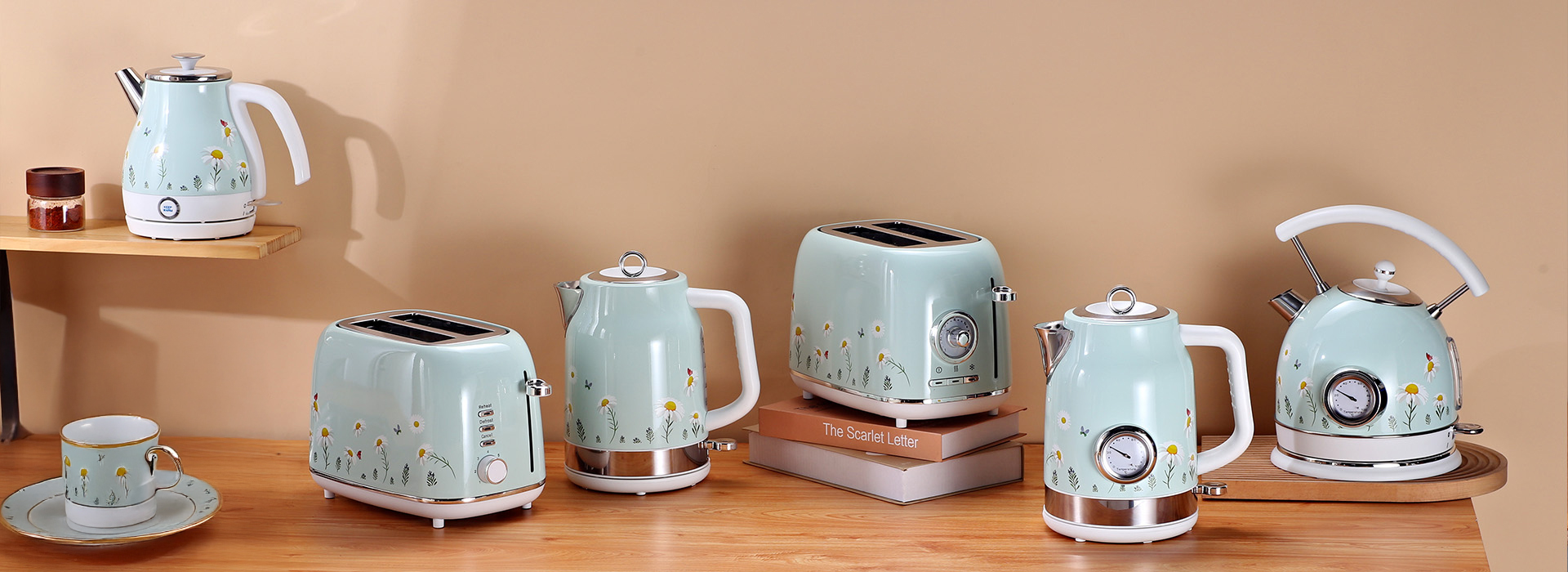
Views: 222 Author: Rebecca Publish Time: 2025-02-13 Origin: Site


Content Menu
● What is an Electric Tea Kettle?
● Factors Affecting Boiling Time
● Electric Kettles vs. Stovetop Kettles
● Electric Kettles vs. Microwaves
● Tips for Using Electric Kettles
● FAQ
>> 1. Are electric kettles energy efficient?
>> 2. How do I clean my electric kettle?
>> 3. Can I use tap water in my electric kettle?
>> 4. What is the ideal temperature for brewing tea in an electric kettle?
>> 5. Are electric kettles safe to use?
Electric tea kettles have become a staple in many kitchens, prized for their convenience and speed in boiling water. But do they really boil water faster than other methods, such as stovetop kettles or microwaves? This comprehensive article explores the speed and efficiency of electric tea kettles, comparing them to traditional methods and delving into the factors that influence boiling time.

An electric tea kettle is a self-contained appliance designed to quickly heat water to boiling point. It consists of a heating element, a water container, and an automatic shut-off mechanism for safety. Unlike stovetop kettles, electric kettles are cordless and can be placed anywhere with an electrical outlet[1]. They are popular for their ease of use, safety features, and ability to boil water faster than many other methods[5][7].
Electric kettles operate on the principle of Joule heating, where an electric current passes through a heating element, generating heat that is transferred to the water[1]. The heating element is typically located at the bottom of the kettle and is immersed in the water for efficient heat transfer.
When the water reaches boiling point, a thermostat detects the temperature change and automatically shuts off the kettle, preventing it from boiling dry and posing a safety hazard[1]. This automatic shut-off feature is one of the key advantages of electric kettles over stovetop methods[1].
Several factors can influence the boiling time of an electric tea kettle:
- Power Rating: The power rating of an electric kettle, measured in watts, determines how quickly it can heat water[1]. Higher wattage kettles generally boil water faster. For example, the Kalorik® 1.7L Rapid Boil Digital Electric Kettle operates at 1750 watts, enabling it to boil water 20% faster than regular electric tea kettles[1].
- Water Volume: The amount of water in the kettle directly affects the boiling time[3]. Smaller volumes of water boil faster than larger volumes. Most electric kettles have a maximum capacity, typically around 1.7 liters, and boiling a full kettle will take longer than boiling only a cup or two[1].
- Initial Water Temperature: The starting temperature of the water also plays a role[3]. If you fill the kettle with cold tap water, it will take longer to boil than if you use warm or hot water.
- Altitude: At higher altitudes, water boils at a lower temperature[2]. This means that electric kettles may shut off sooner at higher altitudes, potentially affecting the taste of beverages that require boiling water.
- Kettle Material and Design: The material and design of the kettle can influence heat retention and boiling time[1]. Kettles made of stainless steel or glass may retain heat better than those made of plastic. Additionally, the shape and size of the heating element can affect the efficiency of heat transfer[1].
One of the most common questions is whether electric kettles boil water faster than stovetop kettles. The answer depends on several factors, including the type of stove, the material of the stovetop kettle, and the power rating of the electric kettle[2].
- Speed Comparison: Electric kettles generally boil water faster than stovetop kettles, especially those on electric stoves[5][7]. A test conducted by Technology Connections found that a gas stove took 7 minutes and 40 seconds to boil a liter of water, while an electric stove took 6 minutes. A 120V electric kettle took 4 minutes and 33 seconds[3].
- Efficiency: Electric kettles are more energy-efficient than stovetop kettles because they directly heat the water without losing heat to the surrounding environment[1]. Stovetop kettles, on the other hand, lose heat to the air, making them less efficient[3].
- Safety: Electric kettles have automatic shut-off features that prevent them from boiling dry, making them safer than stovetop kettles, which can pose a fire hazard if left unattended[1].
Microwaves are another common method for heating water, but they may not be the fastest or most efficient option compared to electric kettles[5].
- Speed Comparison: Electric kettles typically boil water faster than microwaves[5]. Microwaves heat water by bombarding it with electromagnetic radiation, which can be uneven and less efficient than the direct heating method used by electric kettles[5].
- Taste and Safety: Some people believe that microwaving water can affect its taste due to changes in its chemical composition. Additionally, there have been concerns about the safety of heating water in plastic containers in the microwave[5]. Electric kettles, especially those made of stainless steel or glass, avoid these potential issues[1].

There are several types of electric kettles available, each with its own features and benefits:
- Standard Electric Kettles: These are the most common type of electric kettle, featuring a simple design and basic functionality. They typically have a heating element, a water container, and an automatic shut-off feature[1].
- Variable Temperature Kettles: These kettles allow you to select the desired water temperature, which is ideal for brewing different types of tea and coffee[1]. Different teas require different steeping temperatures, and variable temperature kettles ensure optimal flavor extraction[1]. The Kalorik® 1.7L Rapid Boil Digital Electric Kettle offers four temperature settings: 120°F, 160°F, 175°F, and 195°F, as well as a boil function[1].
- Gooseneck Kettles: These kettles have a long, narrow spout that provides precisePour-over control, making them popular among coffee enthusiasts[5]. The gooseneck design allows for a slow, steadyPour-over, which is essential for achieving a balanced and flavorful cup of coffee[5].
To get the most out of your electric tea kettle, consider these tips:
- Use Filtered Water: Using filtered water can improve the taste of your beverages and prevent mineral buildup in the kettle[3].
- Descale Regularly: Mineral deposits can accumulate in the kettle over time, affecting its performance and lifespan[4]. Descale the kettle regularly using a descaling solution or a mixture of vinegar and water[4][8].
- Don't Overfill: Overfilling the kettle can cause water to spill out during boiling, posing a safety hazard. Follow the manufacturer's instructions and do not exceed the maximum fill line[1].
- Unplug When Not in Use: To save energy and prevent accidents, unplug the kettle when it is not in use[1].
Electric tea kettles are a fast, efficient, and safe way to boil water for tea, coffee, and other hot beverages[5][7]. They generally boil water faster than stovetop kettles and microwaves, and they offer features like automatic shut-off and variable temperature control for added convenience[1]. By understanding the factors that affect boiling time and following the tips for using electric kettles, you can enjoy perfectly boiled water in a matter of minutes[3].

Yes, electric kettles are generally more energy-efficient than stovetop kettles because they directly heat the water without losing heat to the surrounding environment[1].
To clean your electric kettle, descale it regularly using a descaling solution or a mixture of vinegar and water[4][8]. Boil the solution in the kettle, let it sit for a while, and then rinse thoroughly[4].
Yes, you can use tap water in your electric kettle, but using filtered water can improve the taste of your beverages and prevent mineral buildup[3].
The ideal temperature for brewing tea varies depending on the type of tea[1]. Green tea typically requires a lower temperature (around 175°F), while black tea requires a higher temperature (around 212°F)[1].
Yes, electric kettles are generally safe to use because they have automatic shut-off features that prevent them from boiling dry[1]. However, it is essential to follow the manufacturer's instructions and take precautions, such as not overfilling the kettle and unplugging it when not in use[1].
[1] https://www.kalorik.com/products/kalorik-1-7l-rapid-boil-digital-electric-kettle-stainless-steel
[2] https://www.reddit.com/r/YouShouldKnow/comments/1grc9xs/ysk_electric_kettles_in_north_america_are_slow_in/
[3] https://www.reddit.com/r/AskUK/comments/1acfzmu/how_long_does_it_actually_take_for_your_electric/
[4] https://www.krupsusa.com/BREAKFAST/ELECTRIC-KETTLES/KRUPS-COOL-TOUCH-ELECTRIC-KETTLE/p/7211002836
[5] https://chefman.com/products/fast-boil-1-8l-electric-kettle
[6] https://westbend.com/collections/kettles
[7] https://www.proctorsilex.com/electric-kettles
[8] https://www.goodhousekeeping.com/home/cleaning/a40707243/how-to-clean-electric-kettle/


