

Views: 222 Author: Rebecca Publish Time: 2025-02-13 Origin: Site


Content Menu
● Compatibility with Electric Stoves
>> Types of Electric Stovetops
● Best Practices for Using Glass Kettles on Electric Stoves
● Energy Efficiency Considerations
● Alternatives to Glass Kettles
● FAQs
>> 1. How long does it take to boil water in a glass kettle on an electric stove?
>> 2. Can I use a glass kettle on an induction stovetop?
>> 3. How do I clean and maintain my glass kettle?
>> 4. Is it safe to pour boiling water from a glass kettle into a cold glass?
>> 5. Can I use my glass kettle for purposes other than boiling water?
Glass kettles have become increasingly popular in recent years due to their aesthetic appeal and ability to showcase the boiling process. However, many people wonder if it's safe to use these elegant vessels on electric stoves. This comprehensive guide will explore the compatibility of glass kettles with electric stovetops, safety considerations, and best practices for using them effectively.

Glass kettles are typically made from borosilicate glass, a type of glass known for its durability and resistance to thermal shock[1]. This material can withstand significant temperature changes without cracking or shattering, making it suitable for use in kitchenware.
1. Transparency: You can easily see the water level and boiling process.
2. Purity: Glass is non-reactive, ensuring that your water's taste remains unaltered.
3. Aesthetics: Glass kettles add a modern and elegant touch to any kitchen.
The good news is that glass kettles are generally safe to use on electric stovetops[1]. Electric stovetops provide even and consistent heat distribution, which is ideal for glass kettles. However, it's crucial to follow the manufacturer's instructions and take necessary precautions to ensure safe usage.
1. Coil Electric Stovetops: These have exposed heating elements in the form of coils.
2. Smooth-top Electric Ranges: These have a flat surface made of ceramic glass, with heating elements underneath.
Both types are compatible with glass kettles, but each requires specific considerations for safe use.
When using a glass kettle on an electric stove, keep the following safety measures in mind:
1. Use a Heat Diffuser: For coil electric stovetops, place a metal heat-diffusing trivet between the coils and the kettle to distribute heat evenly[2].
2. Proper Placement: Ensure the kettle's bottom is in direct contact with the heating element and sits securely on the burner[1].
3. Avoid Sliding: Never slide or drag the kettle across the stovetop surface to prevent scratches or damage[1].
4. Monitor Closely: Never leave the kettle unattended while in use[2].
5. Handle with Care: Use oven mitts when handling the kettle, as the handle may become hot[2].
6. Inspect Regularly: Before each use, check the glass for any scratches, nicks, or cracks[2].
To ensure the longevity of your glass kettle and maintain safety, follow these best practices:
1. Start with Cold Water: Always start with cold water in the kettle to prevent thermal shock.
2. Use Medium Heat: Set your electric stove to medium heat to avoid overheating the glass[1].
3. Fill Appropriately: Add between 24oz to 48oz of water to the kettle for optimal performance[2].
4. Remove Promptly: Take the kettle off the heat source as soon as the water reaches a boil[2].
5. Cool Down Gradually: Allow the kettle to cool down naturally after use, avoiding sudden temperature changes.

Using a glass kettle on an electric stove can be energy-efficient if done correctly. To maximize energy efficiency:
1. Boil Only What You Need: Heating excess water wastes energy.
2. Descale Regularly: Limescale buildup can reduce heating efficiency.
3. Use a Lid: Keep the lid on while boiling to retain heat and speed up the process.
If you're concerned about using a glass kettle on your electric stove, consider these alternatives:
1. Electric Kettles: These are designed specifically for quick and efficient boiling.
2. Stainless Steel Stovetop Kettles: More durable and less prone to breakage.
3. Copper Kettles: Excellent heat conductors, but require more maintenance.
Glass kettles can indeed be used safely on electric stoves, provided you follow the manufacturer's instructions and take necessary precautions. Their transparency, purity, and aesthetic appeal make them a popular choice for many tea and coffee enthusiasts. By adhering to the safety measures and best practices outlined in this guide, you can enjoy the benefits of a glass kettle while ensuring its longevity and your safety.
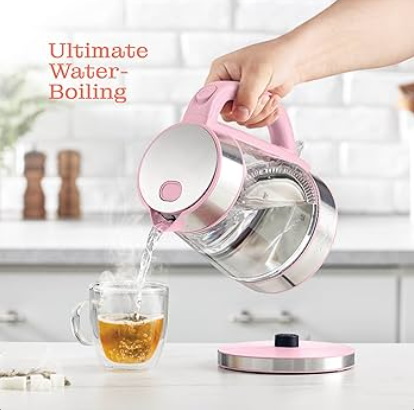
The boiling time can vary depending on the kettle's capacity, the amount of water, and the stove's heat setting. On average, it takes about 5-7 minutes to bring water to a boil in a glass kettle on an electric stove.
Most glass kettles are not compatible with induction stovetops unless they have a magnetic base. Always check the manufacturer's specifications to ensure compatibility with induction cooking[1].
To maintain your glass kettle, hand-wash it with mild detergent and warm water. Avoid using abrasive cleaners or scouring pads that can scratch the glass surface. Regularly descale the kettle to prevent mineral buildup and maintain its efficiency[1].
It's generally safe to pour boiling water from a glass kettle into a cold glass, but it's best to avoid extreme temperature changes. To prevent potential thermal shock, you can pre-warm the glass by rinsing it with warm water before pouring in the boiling water.
Glass kettles are primarily designed for boiling water. While some may be suitable for brewing tea directly in the kettle, it's best to consult the manufacturer's instructions before using it for any purpose other than boiling water to ensure safety and prevent potential damage.
[1] https://www.yongkeng.com/are-glass-kettles-safe-to-use-on-all-types-of-stovetops.html
[2] https://cafe-brew.com/product/12-cup-glass-stovetop-whistling-tea-kettle-wk112/
[3] https://www.reddit.com/r/tea/comments/ss0otw/do_stovesafe_glass_kettles_exist/
[4] https://www.reddit.com/r/tea/comments/1798l74/is_there_really_any_harm_using_a_glass_tea_pot_on/
[5] https://truetealife.com/blogs/knowledge/can-you-use-a-glass-teapot-on-the-stove
[6] https://neweybloomer.com
[7] https://www.healthierhomes.com/post/safest-material-for-tea-kettles
[8] https://cafe-brew.com/benefits-to-using-glass-kettles/


