

Views: 222 Author: Rebecca Publish Time: 2025-02-13 Origin: Site


Content Menu
● The Versatility of Electric Tea Kettles
>> Boiling Water for Various Beverages
>> Cooking and Food Preparation
● Benefits of Using Electric Tea Kettles for Water
● Choosing the Right Electric Kettle
>> Material
>> Capacity
>> Features
● FAQ
>> 1. Is it safe to drink water from an electric kettle?
>> 2. How often should I clean my electric kettle?
>> 3. Can I use an electric kettle to purify water?
>> 4. Are plastic electric kettles safe to use?
>> 5. Can I use an electric kettle in countries with different voltages?
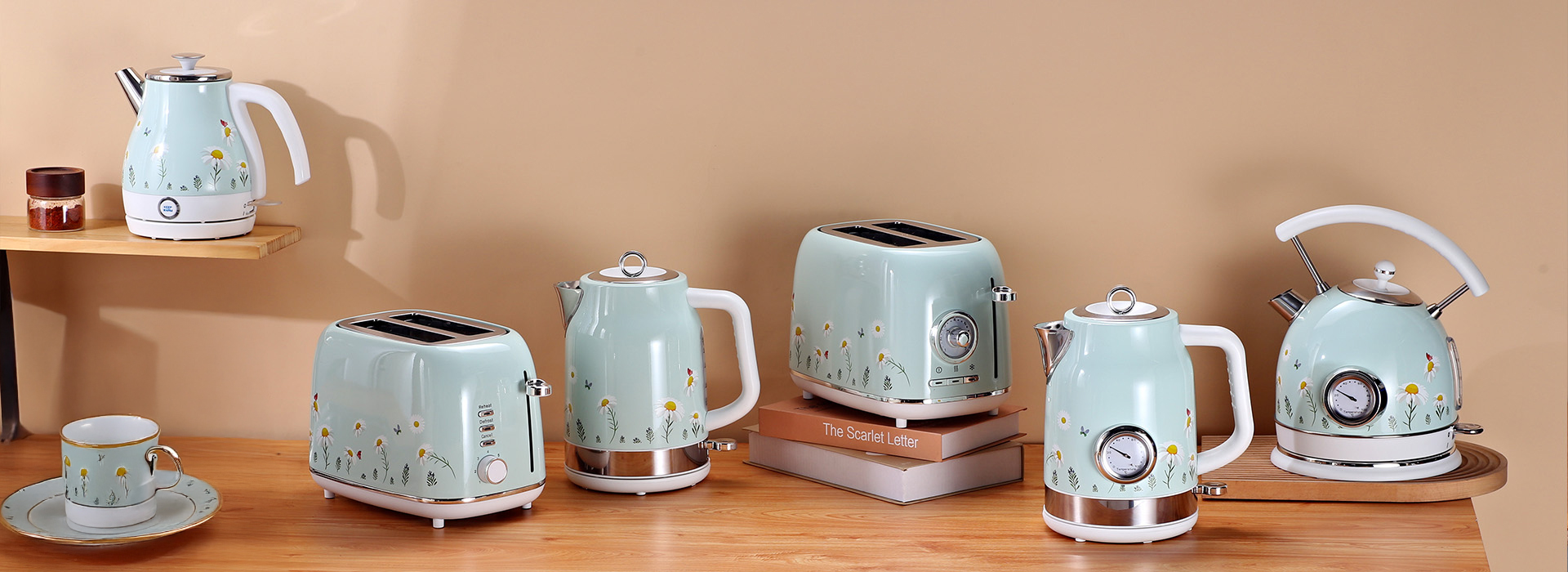
Electric tea kettles have become increasingly popular in recent years, offering a convenient and efficient way to heat water for various purposes. While their primary function is to boil water for tea, many people wonder if they can use these appliances for other water-related tasks. In this comprehensive guide, we'll explore the versatility of electric tea kettles and answer the question: Can you use an electric tea kettle for water?

Electric tea kettles are designed primarily for boiling water quickly and efficiently. However, their functionality extends far beyond just making tea. These appliances can be used for a wide range of water-heating purposes, making them a versatile addition to any kitchen.
One of the most common uses for electric tea kettles is preparing hot water for different beverages. Whether you're brewing tea, making instant coffee, or preparing hot chocolate, an electric kettle can provide the perfect temperature water in a matter of minutes[1].
Electric kettles can be incredibly useful for cooking and food preparation. They can be used to:
- Boil water for instant noodles or oatmeal
- Prepare hot water for soups or broths
- Heat water for blanching vegetables
- Provide hot water for rehydrating dried foods
The high temperatures achieved by electric kettles make them useful for sterilization purposes. You can use the boiled water to:
- Clean and sterilize baby bottles
- Sanitize small kitchen tools
- Prepare hot water for cleaning surfaces
While electric tea kettles are generally safe to use for water, it's important to follow some safety guidelines to ensure proper usage and longevity of the appliance[3].
It's crucial to use only water in your electric kettle. Avoid boiling other liquids such as milk, tea, or soup directly in the kettle. These substances can cause foaming, spillage, and potential damage to the appliance[3].
Always fill the kettle with water between the minimum and maximum fill lines. Underfilling can cause the kettle to overheat, while overfilling may result in boiling water spilling out, posing a burn risk[3].
To maintain the safety and efficiency of your electric kettle, regular cleaning is essential. Descale the kettle periodically to remove mineral buildup, which can affect the taste of water and the kettle's performance[5].
Electric tea kettles offer several advantages over traditional stovetop kettles or other water-heating methods:
1. Speed: Electric kettles can boil water much faster than stovetop methods, saving time and energy[4].
2. Energy Efficiency: They use electricity directly to heat water, making them more energy-efficient than stovetop kettles[4].
3. Precision: Many modern electric kettles come with temperature control features, allowing you to heat water to specific temperatures for different types of tea or coffee[5].
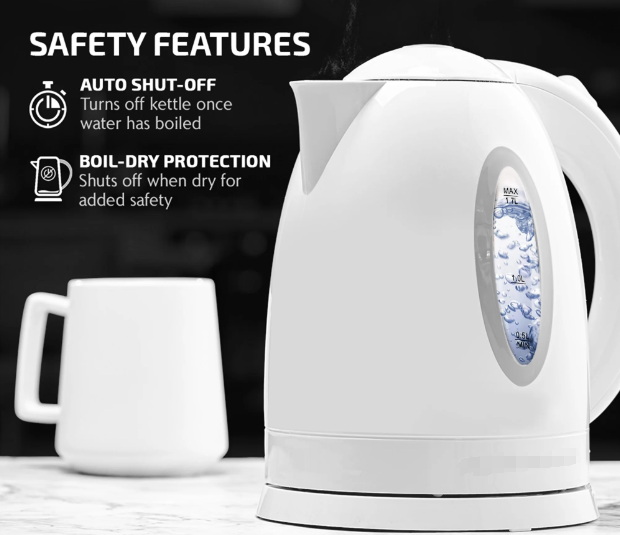
4. Safety Features: Most electric kettles have automatic shut-off functions and boil-dry protection, enhancing safety[5].
5. Portability: Electric kettles are often compact and can be easily moved, making them ideal for use in various settings, from kitchens to offices[6].
When selecting an electric kettle for water use, consider the following factors:
Electric kettles come in various materials, each with its own advantages:
- Glass: Allows you to see the water boiling and doesn't affect taste, but may be more fragile[5].
- Stainless Steel: Durable, easy to clean, and doesn't impart flavors to the water[5].
- Plastic: Lightweight and affordable, but may affect water taste and have potential health concerns[5].
Choose a kettle size that suits your needs. Smaller kettles (around 1 liter) are suitable for personal use, while larger ones (1.5-2 liters) are better for families or entertaining[6].
Look for features that enhance usability and safety, such as:
- Variable temperature control
- Keep-warm function
- Water level indicator
- 360-degree rotating base
- Boil-dry protection
To ensure your electric kettle remains safe and efficient for water use, follow these maintenance tips:
1. Descale regularly, especially if you live in an area with hard water.
2. Clean the exterior with a damp cloth and mild detergent.
3. Avoid immersing the kettle or its base in water.
4. Check the cord and plug periodically for any signs of wear or damage.
5. Store the kettle in a dry place when not in use.
Using an electric tea kettle for water can have a positive environmental impact compared to other water-heating methods:
- Energy Efficiency: Electric kettles use less energy than stovetop kettles or microwaves to heat the same amount of water[4].
- Precise Heating: By heating only the amount of water needed, electric kettles can reduce water and energy waste.
- Durability: A well-maintained electric kettle can last for years, reducing the need for frequent replacements and minimizing waste.
In conclusion, electric tea kettles are not only suitable for boiling water but are also versatile, efficient, and safe when used correctly. They offer numerous advantages over traditional water-heating methods, including speed, energy efficiency, and precision temperature control. Whether you're preparing tea, coffee, instant meals, or need hot water for cleaning and sterilization, an electric kettle can be a valuable addition to your kitchen or office.
By choosing the right kettle, following safety guidelines, and maintaining it properly, you can enjoy the convenience and versatility of using an electric tea kettle for all your water-heating needs. As technology continues to advance, we can expect even more innovative features in electric kettles, further enhancing their utility and efficiency in our daily lives.

Yes, it is generally safe to drink water from an electric kettle. Most modern electric kettles are made with food-grade materials that do not leach harmful substances into the water. However, it's important to clean and maintain your kettle regularly to ensure the best quality water[5].
The frequency of cleaning depends on how often you use your kettle and the hardness of your water. As a general rule, descale your kettle every 4-8 weeks if you use it daily. If you notice mineral buildup or changes in water taste, clean it more frequently[5].
While electric kettles can kill many harmful bacteria by boiling water, they are not designed to purify water completely. Boiling water can eliminate most microorganisms, but it doesn't remove chemical contaminants or heavy metals. For thorough water purification, use a dedicated water purification system[7].
Plastic electric kettles are generally safe to use, as they are made with food-grade plastics. However, some people prefer to avoid plastic due to concerns about potential chemical leaching. If you're worried, opt for a glass or stainless steel kettle instead[5].
Most electric kettles are designed for specific voltage ranges. If you're traveling to a country with a different voltage, check if your kettle is dual voltage or consider purchasing a voltage converter. Using a kettle with incompatible voltage can be dangerous and may damage the appliance[8].
[1] https://www.reddit.com/r/tea/comments/101kjsj/safety_of_glass_electric_kettles_vs_stainless/
[2] https://www.kitchenaid.com/pinch-of-help/countertop-appliances/how-to-use-a-kettle.html
[3] https://www.tiger-corporation.com/en/jpn/newsroom/important-notice/info_160212/
[4] https://www.goodlifetea.com/blogs/news/tea-kettle-electric-vs-stove-top
[5] https://www.crompton.co.in/blogs/kitchen-appliances-guide/is-an-electric-kettle-good-for-health-and-safe-to-use
[6] https://chefman.com/pages/electric-kettles
[7] https://cooking.stackexchange.com/questions/18520/is-it-safe-to-reheat-old-water-in-an-electric-kettle
[8] https://www.krupsusa.com/BREAKFAST/ELECTRIC-KETTLES/c/electric-kettles
[9] https://evoloop-home.com/blogs/news/boiling-the-truth-are-electric-kettles-safe


