

Views: 222 Author: Rebecca Publish Time: 2025-02-10 Origin: Site


Content Menu
● Understanding Electric Kettles
● Heating Sake: Traditional Practices
● Risks of Heating Sake in an Electric Kettle
● Potential Damage to the Kettle
● Best Practices for Heating Sake
● Alternative Uses for Electric Kettles
● Maintaining Your Electric Kettle
● FAQ About Using Electric Kettles
>> 1.Can I use an electric kettle for liquids other than water?
>> 2.How often should I descale my electric kettle?
>> 3.What are the benefits of using an electric kettle?
>> 4.How do I clean my electric kettle?
>> 5.Are electric kettles safe to use?
Electric kettles have become indispensable in modern kitchens, prized for their speed and convenience in heating water for tea, coffee, and other beverages[2]. However, their versatility often leads to questions about whether they can be used for liquids other than water. One such query is whether it is safe and appropriate to heat sake in an electric kettle. This article explores the implications of using an electric kettle for sake , considering the design and safety features of these appliances, the properties of sake, and best practices for heating this traditional Japanese beverage.
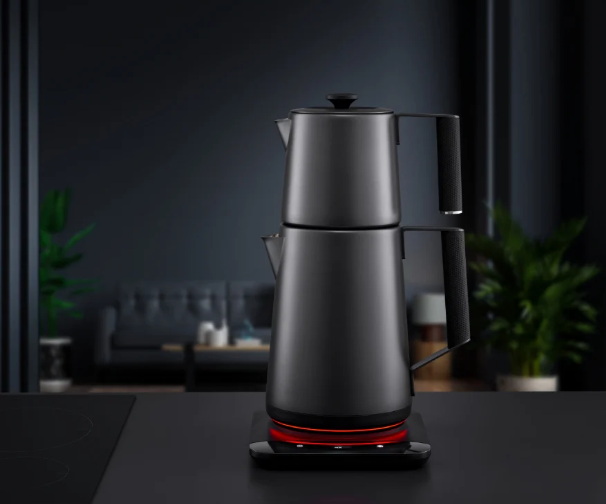
Electric kettles are designed primarily for heating water[4]. They consist of a heating element, a container (typically made of stainless steel, glass, or plastic), and various safety mechanisms such as automatic shut-off and boil-dry protection[1]. The heating element rapidly heats the water, and once the water reaches boiling point or a set temperature, the kettle automatically turns off[1].
The materials used in electric kettles are selected for their ability to withstand high temperatures and their compatibility with water. Stainless steel and glass are common choices due to their durability and resistance to corrosion[1][2]. However, many electric kettles also incorporate plastic components in areas such as the handle, lid, or water level indicator[2].
Electric kettles are equipped with several safety features to prevent accidents and damage:
- Automatic Shut-Off: This feature turns the kettle off once the water reaches boiling point or the set temperature, preventing overheating and energy waste[1].
- Boil-Dry Protection: This mechanism shuts off the kettle if it is turned on without sufficient water, preventing damage to the heating element[1].
- Overheat Protection: This feature protects the kettle from overheating if it malfunctions or is used improperly[1].
Sake is a traditional Japanese alcoholic beverage made from fermented rice. Often referred to as "rice wine," the production of sake involves multiple steps, including polishing the rice, fermenting it with koji mold, and carefully controlling the brewing process. The result is a complex and nuanced drink with a wide range of flavors and aromas.
Sake typically has an alcohol content of around 15-20%[1]. It contains various organic compounds, including amino acids, esters, and sugars, which contribute to its unique flavor profile. Unlike water, sake has a lower boiling point due to the presence of alcohol.
Traditionally, sake is heated in a ceramic or metal container called a "tokkuri," which is placed in a hot water bath. This method allows for gentle and even heating, preserving the delicate flavors and aromas of the sake. The ideal temperature for serving sake varies depending on the type and quality, ranging from slightly warm (40°C or 104°F) to hot (55°C or 131°F).
While it might seem convenient to heat sake in an electric kettle, there are several potential risks and drawbacks to consider.
Electric kettles are designed for water, and the materials used may not be suitable for sake. The alcohol and other compounds in sake could potentially react with plastic components, leading to leaching of harmful chemicals[2]. Even in kettles with stainless steel interiors, prolonged exposure to sake could cause corrosion or discoloration.
Sake should be heated gently to preserve its flavors and aromas. Electric kettles, especially those without precise temperature controls, can heat liquids too quickly or unevenly, potentially ruining the sake[1]. Overheating can cause the alcohol to evaporate, resulting in a loss of flavor and aroma.
Sake can leave a residue inside the kettle, which may be difficult to clean. The sugars and other compounds in sake can caramelize on the heating element, affecting the kettle's performance and potentially imparting unwanted flavors to future beverages. Proper cleaning is essential to prevent the buildup of residue and maintain the kettle's functionality[1].
The safety mechanisms in electric kettles are designed to work with water. Using sake or other liquids could interfere with these mechanisms, potentially causing the kettle to malfunction or become damaged. For example, the automatic shut-off feature may not work correctly if the sake boils at a different temperature than water.
To enjoy sake at its best, it is recommended to follow traditional heating methods or use specialized equipment designed for this purpose.
The hot water bath method is a gentle and effective way to heat sake. Simply fill a bowl or pot with hot water, place the tokkuri or sake container in the water, and heat until the sake reaches the desired temperature. This method allows for even heating and prevents overheating.
Several electric sake warmers are available on the market. These devices are designed specifically for heating sake and offer precise temperature control and gentle heating[1]. They typically consist of a heating base and a ceramic or glass container for the sake.
While not ideal, sake can be heated in the microwave in a pinch. Pour the sake into a microwave-safe container and heat in short intervals (15-20 seconds), checking the temperature frequently. Be careful not to overheat the sake, as this can affect its flavor and aroma.
While using an electric kettle for sake is not recommended, these versatile appliances can be used for a variety of other purposes:
- Tea and Coffee: Electric kettles are perfect for heating water for tea and coffee, with many models offering precise temperature controls for different types of beverages[2].
- Instant Noodles and Soups: Electric kettles can quickly heat water for instant noodles, soups, and other convenience foods.
- Cooking: Hot water from an electric kettle can be used to speed up cooking processes, such as boiling pasta or blanching vegetables.
- Cleaning: Hot water from an electric kettle can be used for cleaning and sanitizing surfaces, as well as for removing stubborn stains.
Proper maintenance is essential to keep your electric kettle in good working condition and prolong its lifespan[1]. Here are some tips for maintaining your kettle:
- Descale Regularly: Mineral buildup from hard water can affect the kettle's performance and efficiency. Descale the kettle every 4-8 weeks using a descaling solution or a mixture of water and white vinegar[1].
- Clean the Exterior: Wipe down the exterior of the kettle with a damp cloth to remove dust and stains.
- Dry Thoroughly: After each use, ensure the kettle is completely dry before storing it to prevent corrosion and mineral buildup.
- Check for Damage: Regularly inspect the kettle for any signs of damage, such as cracks, leaks, or frayed cords.
While electric kettles are convenient appliances for heating water, using them for sake is not recommended due to potential risks to the kettle and the quality of the sake. The materials used in electric kettles may not be compatible with sake, and the heating process can be too rapid and uneven, affecting the flavor and aroma of the beverage. Instead, it is best to use traditional heating methods such as a hot water bath or specialized sake warmers to ensure the best possible experience. By following these guidelines, you can enjoy sake at its finest while also preserving the lifespan and functionality of your electric kettle.
It is generally not recommended to use an electric kettle for liquids other than water. The kettle's materials and safety mechanisms are designed for water, and other liquids can cause damage or interfere with its operation.
Descale your electric kettle every 4-8 weeks, depending on the hardness of your water. Mineral buildup can affect the kettle's performance and efficiency. Use a descaling solution or a mixture of water and white vinegar to remove mineral deposits.
Electric kettles offer several benefits, including speed, convenience, and precise temperature control. They are ideal for heating water for tea, coffee, and other beverages, as well as for speeding up cooking processes.
To clean your electric kettle, wipe down the exterior with a damp cloth. For the interior, descale regularly to remove mineral buildup. Ensure the kettle is completely dry before storing it.
Electric kettles are generally safe to use when following the manufacturer's instructions. They are equipped with safety features such as automatic shut-off and boil-dry protection to prevent accidents and damage. However, it is important to maintain the kettle properly and avoid using it for liquids other than water.
[1] https://sakiproducts.com/pages/product-faq
[2] https://wellnesswithkaelyn.com/blog/best-non-toxic-electric-tea-kettles-plasticfree
[3] https://www.mypitaya.com/100320.html
[4] https://www.kitchenaid.com/pinch-of-help/countertop-appliances/how-to-use-a-kettle.html
[5] https://www.reddit.com/r/tea/comments/1egx2kj/can_you_recommend_a_good_electric_kettle_that_has/
[6] https://www.ee.cityu.edu.hk/~gchen/pdf/Writing.pdf
[7] https://www.reddit.com/r/BuyItForLife/comments/1hduc4r/electric_kettle_that_has_no_plastic_insideexposed/
[8] https://www.cambridgeinternational.org/Images/520575-june-2022-examiner-report.pdf
[9] https://www.eastonhk.com/What-Are-The-Precautions-for-Using-The-Kettle-id3883449.html


