

Views: 222 Author: Rebecca Publish Time: 2025-02-09 Origin: Site


Content Menu
● The Traditional Method of Brewing Tea
● Putting Loose Tea Directly into an Electric Kettle: The Pros and Cons
● Best Practices for Brewing Tea in an Electric Kettle
● Alternative Methods for Brewing Tea with an Electric Kettle
● FAQ
>> 1. Is it safe to put tea bags directly into an electric kettle?
>> 2. Can all electric kettles be used to make milk tea?
>> 3. What kind of electric tea kettle is safe for making tea?
>> 4. How often should I clean my electric kettle?
>> 5. What are the benefits of using an electric kettle for making tea?
Electric kettles have become a staple in many kitchens due to their convenience and speed in boiling water. They are particularly popular among tea enthusiasts who appreciate a quick and efficient way to heat water for their favorite brews [3, 6, 13]. However, a common question that arises is whether it is safe and effective to put loose tea directly into an electric kettle. This article delves into the pros and cons of this practice, providing a comprehensive guide for tea lovers.
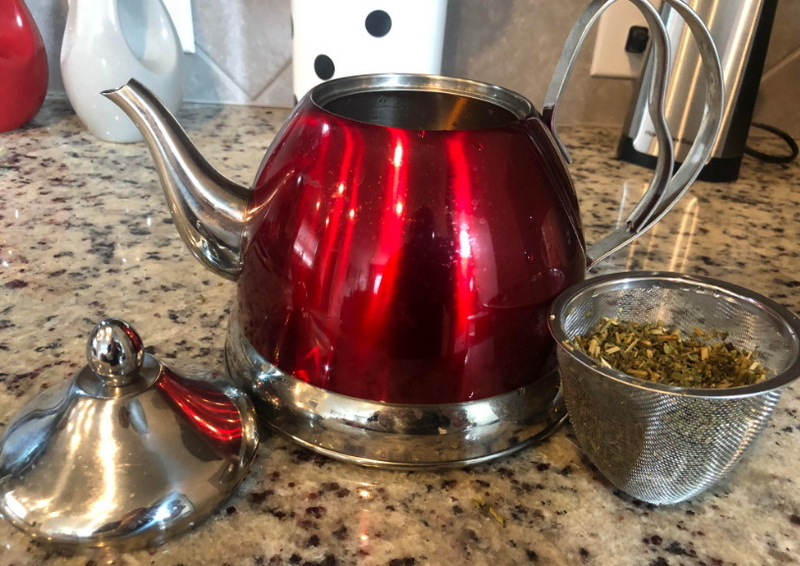
An electric kettle is a self-contained appliance used for heating water. Unlike stovetop kettles, electric kettles have a heating element within the unit and automatically shut off once the water reaches boiling point [3, 9, 21]. They are known for their speed, energy efficiency, and safety features such as auto shut-off and boil-dry protection [6, 23].
Electric kettles come in various materials and designs, each with its own set of advantages:
- Stainless Steel: Durable, rust-resistant, and easy to clean [6, 9].
- Glass: Allows you to see the water boiling and adds a visual appeal [1, 30].
- Plastic: Lightweight and often more affordable, but may raise concerns about BPA leaching [7, 8].
- Ceramic: Offers a classic look and is generally safe, but can be more fragile [6, 7].
Traditionally, tea is brewed by heating water in a kettle and then pouring it over tea leaves placed in a teapot or infuser [22, 27, 31]. This method allows the tea leaves to steep properly, releasing their flavors and aromas into the water. The tea leaves are typically contained within a tea bag, infuser, or filter to prevent them from floating freely in the tea [4, 11].
Pros:
- Convenience: Adding loose tea directly into the kettle can save time and effort by combining the heating and brewing processes [7, 13].
- Simplicity: It eliminates the need for a separate teapot or infuser, making it ideal for those who prefer a minimalist approach [1, 4].
- Fuller Flavor Extraction: Some argue that brewing tea directly in the kettle allows for a more complete extraction of flavors from the tea leaves[4].
Cons:
- Staining and Residue: Tea leaves can stain the inside of the kettle and leave a residue that may affect the flavor of subsequent brews[1].
- Difficulty in Cleaning: Loose tea leaves can be difficult to remove from the kettle, especially if the kettle has a narrow opening[1].
- Inconsistent Brewing: Without precise temperature control and steeping time, it can be challenging to achieve a consistent and optimal brew [4, 6].
- Potential Damage: Some electric kettles may not be designed to handle loose tea leaves, and the leaves could potentially clog or damage the heating element[1].
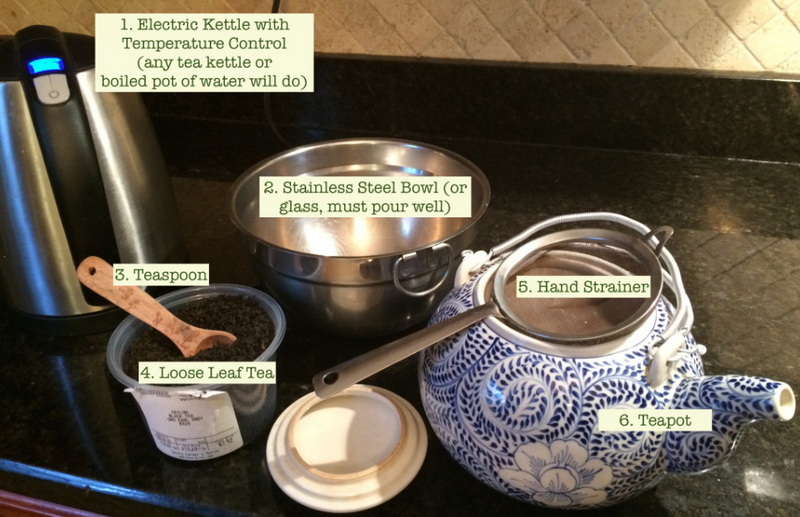
If you choose to brew loose tea directly in your electric kettle, here are some best practices to follow:
1. Use a Kettle with a Removable Infuser:
- Opt for an electric kettle that comes with a built-in, removable tea infuser [12, 37]. This allows you to easily contain the tea leaves and remove them once the steeping time is complete.
2. Control the Water Temperature:
- Different types of tea require different water temperatures for optimal brewing [3, 4, 6]. Use an electric kettle with variable temperature settings to ensure you are brewing your tea at the correct temperature.
For example:
- Green tea: 175-180°F (80-82°C)
- White tea: 175-180°F (80-82°C)
- Oolong tea: 195°F (90°C)
- Black tea: 212°F (100°C)
- Herbal tea: 212°F (100°C)
3. Monitor Steeping Time:
- Steep the tea for the recommended time to avoid bitterness or a weak brew [1, 4]. Most teas should be steeped for 3-5 minutes, but this can vary depending on the type and your personal preference.
- Refer to the chart below for general guidelines:
| Type of Tea | Water Temperature | Steep Time |
|---|---|---|
| Black | 212°F (100°C) | 3-5 minutes |
| Green | 175-180°F (80-82°C) | 1-2 minutes |
| White | 175-180°F (80-82°C) | 2-3 minutes |
| Oolong | 195°F (90°C) | 2-3 minutes |
| Herbal | 212°F (100°C) | 5-7 minutes |
4. Clean the Kettle Regularly:
- After each use, rinse the kettle thoroughly to remove any tea residue [1, 3]. Periodically, use a solution of vinegar and water to descale the kettle and remove any mineral buildup.
- To clean, fill the kettle with equal parts white vinegar and water, boil the mixture, and let it sit for 30 minutes before rinsing thoroughly.
5. Consider the Material of the Kettle:
- Choose an electric kettle made from high-quality materials such as stainless steel or glass [6, 7, 8]. Avoid kettles with plastic components that may leach harmful chemicals into the water when heated.
If you are concerned about the potential drawbacks of putting loose tea directly into your electric kettle, consider these alternative methods:
1. Use a Tea Infuser:
- Heat water in the electric kettle and then pour it over tea leaves placed in a tea infuser inside your cup or mug [4, 25].
2. Use a Teapot:
- Heat water in the electric kettle and then pour it into a teapot containing loose tea leaves [22, 27, 31]. Let the tea steep for the recommended time before pouring it into your cup.
3. Use Tea Bags:
- If you prefer the convenience of tea bags, simply heat water in the electric kettle and then steep the tea bag in your cup for the desired time [7, 13].
- Avoid Overfilling: Do not overfill the kettle, as this can cause water to spill and potentially damage the kettle or create a safety hazard[2].
- Keep the Kettle Clean: Regularly clean the kettle to prevent mineral buildup and ensure optimal performance[3].
- Use Filtered Water: Use filtered water to reduce mineral deposits and improve the taste of your tea[8].
- Unplug After Use: Always unplug the kettle after use to conserve energy and prevent accidents[2].
While it is possible to put loose tea directly into an electric kettle, it may not be the best practice for everyone. The convenience of this method is undeniable, but it comes with potential drawbacks such as staining, cleaning difficulties, and inconsistent brewing. By following best practices and considering alternative methods, you can enjoy a delicious cup of tea while minimizing the risks associated with brewing tea directly in your electric kettle. Ultimately, the decision depends on your personal preferences and priorities.
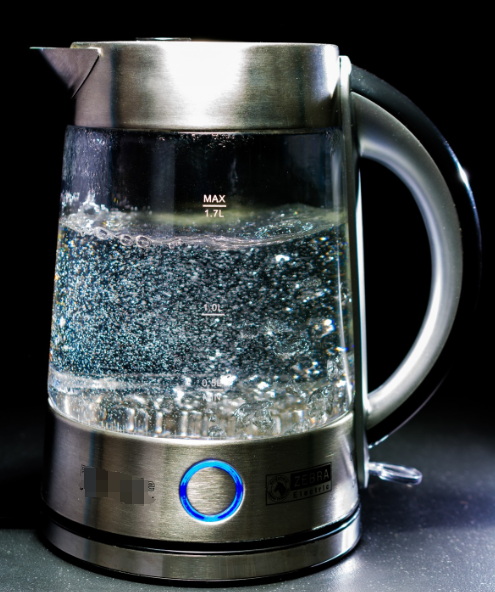
While it is generally safe, it is not recommended. Tea bags can release tannins that stain the kettle and affect the flavor of future brews[1].
Electric kettles are primarily designed to boil water. However, you can make milk tea by adding milk after the water has boiled [7, 20]. Be cautious, as adding milk directly into the kettle can cause it to boil over.
Electric kettles made of stainless steel, glass, or ceramic are generally considered safe [7, 8]. Avoid kettles with plastic components that may leach harmful chemicals into the water.
You should rinse your electric kettle after each use and perform a deep clean with vinegar and water every few weeks to remove mineral buildup [1, 3].
Electric kettles are fast, energy-efficient, and come with safety features like auto shut-off [3, 6, 23]. They also allow for precise temperature control, which is essential for brewing different types of tea[6].
[1] https://www.reddit.com/r/tea/comments/aahzc2/can_i_put_tea_bags_straight_into_an_electric/
[2] https://www.kitchenaid.com/pinch-of-help/countertop-appliances/how-to-use-a-kettle.html
[3] https://artfultea.com/blogs/tea-wisdom/how-to-use-a-tea-kettle
[4] https://artfultea.com/blogs/101/how-to-prepare-tea
[5] https://www.youtube.com/watch?v=VH7jmqrlUVA
[6] https://senchateabar.com/blogs/blog/electric-teapot
[7] https://www.solara.in/blogs/kitchen/how-to-make-tea-in-an-electric-kettle
[8] https://www.healthierhomes.com/post/safest-material-for-tea-kettles
[9] https://www.uptontea.com/electric-tea-kettles/upton-tea-imports-electric-kettle/p/V00495/
[10] https://www.youtube.com/watch?v=t7FJ8GQQEu8
[11] https://www.youtube.com/watch?v=_bIx6PodyCE
[12] https://www.youtube.com/watch?v=FDOvFOeX1Mk
[13] https://www.kent.co.in/blog/easy-steps-to-make-tea-more-conveniently-with-an-electric-kettle/
[14] https://www.youtube.com/watch?v=5PLrzdZ95q8
[15] https://steepster.com/discuss/15325-new-to-loose-tea-help-with-a-kettle-and-infuser
[16] https://www.reddit.com/r/tea/comments/1hug6fd/new_to_electric_tea_kettles_any_tips/
[17] https://www.teainfusiast.com/portable-electric-kettle-review-traveling-with-tea/
[18] https://www.englishteastore.com/howtomaketea.html
[19] https://www.youtube.com/watch?v=t7FJ8GQQEu8
[20] https://www.yongkeng.com/can-you-brew-tea-in-electric-kettle.html
[21] https://simplelooseleaf.com/blogs/news/best-tea-kettle
[22] https://boards.straightdope.com/t/is-an-electric-kettle-an-ok-way-to-make-tea/782729
[23] https://senchateabar.com/blogs/blog/electric-teapot
[24] https://steepster.com/discuss/7200-super-tea-newbie-looking-for-a-guide-slash-advice-slash-tips-slash-tricks?page=1&post_id=124472
[25] https://www.divinitea.com/how-to-brew-loose-leaf-tea/
[26] https://www.yongkeng.com/can-electric-kettle-be-used-for-making-tea.html
[27] https://www.reddit.com/r/tea/comments/5d6blb/brewing_tea_in_kettle/
[28] https://www.reddit.com/r/tea/comments/eupwqq/first_time_brewing_loose_tea_leaves_please_help/
[29] https://www.artoftea.com/products/stagg-ekg-electric-kettle
[30] https://looseleafteamarket.com/products/glass-electric-kettle
[31] https://www.thewhistlingkettle.com/blogs/tea/how-do-you-use-a-kettle-on-the-stove-tips-and-tricks
[32] https://www.youtube.com/watch?v=C-ovhdl7xVw
[33] https://www.tiktok.com/@happygoliving/video/6977809745243671814
[34] https://www.facebook.com/DrewBarrymore/videos/my-tea-making-process-in-the-rv-from-the-other-week-with-the-beautiful-electric-/1603222160475087/
[35] https://www.tiktok.com/@yovilopezz/video/7383223757055266090
[36] https://www.facebook.com/lindseydenvershop/videos/how-to-make-hot-tea-with-a-electric-kettle/454160062537136/
[37] https://www.youtube.com/watch?v=C0I2I5foXV0


