

Views: 222 Author: Rebecca Publish Time: 2025-02-09 Origin: Site


Content Menu
● Understanding Electric Kettles
● Potential Risks of Refrigerating an Electric Kettle
● Best Practices for Storing Your Electric Kettle
● Alternative Methods for Cooling Water Quickly
● Kettle Materials and Their Properties
● Safety Tips for Using an Electric Kettle
● Understanding the Impact of Humidity on Electrical Appliances
● The Science Behind Thermal Shock
● Deep Dive into Cleaning and Maintenance
● Energy Efficiency and Electric Kettles
● The Future of Electric Kettles: Innovations and Trends
● Troubleshooting Common Electric Kettle Problems
● Frequently Asked Questions (FAQ)
>> 1. Is it safe to put an electric kettle in the fridge?
>> 2. What are the risks of refrigerating an electric kettle?
>> 3. How should I store my electric kettle?
>> 4. Can I put boiled water in the fridge to cool it down quickly?
>> 5. What should I do if my electric kettle gets wet inside?
Electric kettles have become indispensable appliances in modern kitchens, offering a quick and efficient way to boil water for tea, coffee, and various culinary applications. Their convenience and speed make them a staple in many households. However, when it comes to storing these devices, a common question arises: can you put an electric kettle in the fridge? This article aims to delve into this topic, exploring the potential risks and best practices for maintaining your electric kettle.

Before addressing the question of refrigerating an electric kettle, it's essential to understand its basic components and functionality. An electric kettle typically consists of a body (made of materials like stainless steel, glass, or plastic), a heating element, a power base, and various safety features such as boil-dry protection.
The primary function of an electric kettle is to rapidly heat water. When you switch it on, the heating element converts electrical energy into heat, which is then transferred to the water. Once the water reaches its boiling point, the kettle automatically shuts off, thanks to a built-in thermostat.
The question of whether to put an electric kettle in the fridge usually stems from a few common scenarios:
1. Convenience: Wanting to cool down the kettle quickly after use.
2. Space Saving: Trying to maximize space in a small kitchen.
3. Belief in Preservation: Thinking that refrigeration might prolong the kettle's lifespan or prevent bacterial growth.
While the idea of putting an electric kettle in the fridge might seem harmless, there are several potential risks to consider:
1. Moisture Damage: Refrigerators are inherently humid environments. Placing an electric kettle in the fridge can expose its electrical components to moisture, leading to corrosion and potential short circuits.
2. Thermal Shock: Rapid temperature changes can cause thermal stress, especially in kettles made of glass or certain plastics. This stress can lead to cracks or fractures in the material.
3. Condensation: When you take a cold kettle out of the fridge and expose it to room temperature, condensation can form both inside and outside. This moisture can damage the electrical components and create a breeding ground for bacteria.
4. Inefficient Use of Space: Electric kettles are often bulky. Storing them in the fridge can take up valuable space that could be used for food and beverages.
5. Material Degradation: Some materials, especially plastics, can become brittle and degrade when exposed to prolonged cold temperatures.
Given the potential risks, it's generally not advisable to store your electric kettle in the fridge. Instead, follow these best practices to ensure its longevity and safe operation:
1. Empty the Kettle After Use: Always pour out any remaining water after each use. Storing water inside the kettle can lead to limescale buildup and corrosion.
2. Clean Regularly: Regularly clean your kettle to remove mineral deposits and other impurities. Use a solution of vinegar and water, or a specialized kettle cleaner.
3. Store in a Dry Place: Keep your kettle in a dry, cool place away from direct sunlight and extreme temperatures.
4. Allow to Cool Naturally: After use, allow the kettle to cool down naturally before storing it. Avoid placing it in the fridge or freezer to speed up the cooling process.
5. Handle with Care: When moving or storing your kettle, handle it with care to prevent accidental damage.
If your goal is to cool down boiled water quickly, here are some alternative methods that are safer and more effective than refrigerating the entire kettle:
1. Ice Bath: Place the boiled water in a heat-resistant container and submerge it in an ice bath. This will rapidly lower the temperature without exposing the kettle to moisture.
2. Cold Water Tap: Run cold water over the outside of the container holding the boiled water. This method is effective but uses more water.
3. Refrigerate the Water Separately: Pour the boiled water into a separate, fridge-safe container and refrigerate it. This avoids the risks associated with refrigerating the entire kettle.
The material of your electric kettle plays a significant role in its durability and safety. Here's a brief overview of common kettle materials:
1. Stainless Steel: Known for its durability, resistance to corrosion, and sleek appearance. Stainless steel kettles are a popular choice for many households.
2. Glass: Offers a clear view of the boiling process and is generally considered chemically neutral. However, glass kettles can be more fragile and susceptible to thermal shock.
3. Plastic: Lightweight and affordable, but may leach chemicals into the water over time, especially when heated. Look for BPA-free options to minimize this risk.
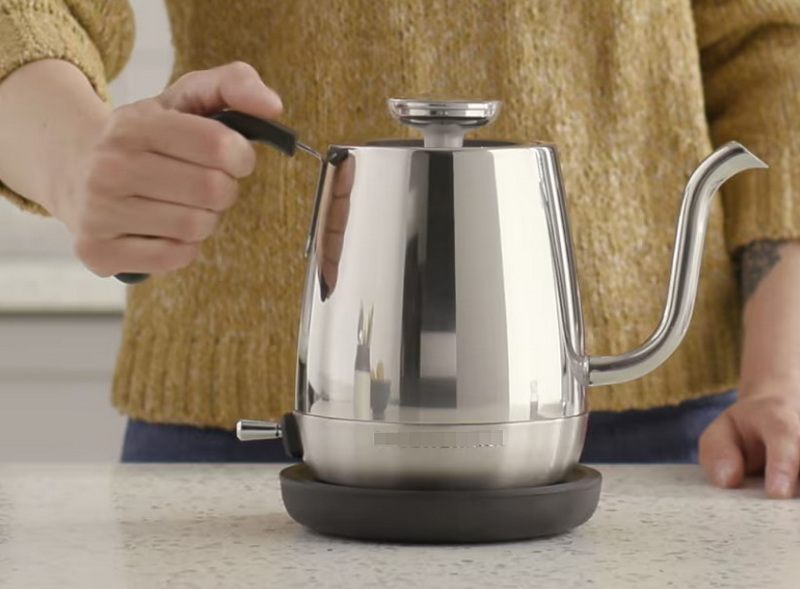
To ensure the safe and efficient use of your electric kettle, keep the following safety tips in mind:
- Do Not Overfill: Always adhere to the maximum fill line to prevent boiling water from overflowing.
- Keep Away from Children: Position the kettle out of reach of children to avoid accidental burns.
- Use Clean Water: Use fresh, filtered water to prevent mineral buildup and ensure the best taste.
- Don't Submerge: Never submerge the base or cord in water, as this can cause electric shock.
- Unplug After Use: Disconnect the kettle from the power source when not in use to save energy and reduce fire risks.
- Inspect for Damage: Regularly check the cord and components for any signs of damage.
- Use on Stable Surfaces: Always place the kettle on a flat, heat-resistant surface to prevent tipping.
Refrigerators are, by design, high-humidity environments. This is necessary to keep food fresh and prevent it from drying out. However, this high humidity can be detrimental to electrical appliances, especially those not designed to withstand such conditions.
How Humidity Affects Electrical Components:
- Corrosion: Moisture can corrode metal components, leading to rust and eventual failure.
- Short Circuits: Water is a conductor of electricity. If moisture penetrates the internal workings of an electric kettle, it can create short circuits, damaging the appliance and potentially causing a fire hazard.
- Insulation Breakdown: Humidity can degrade the insulation around electrical wires, making them more susceptible to short circuits and electrical leaks.
Thermal shock occurs when a material experiences a sudden and significant temperature change, leading to stress and potential fracture. Different materials expand and contract at different rates when heated or cooled. This differential expansion and contraction can create internal stresses that exceed the material's strength.
Factors Influencing Thermal Shock:
- Material Properties: Some materials, like glass and certain plastics, are more susceptible to thermal shock than others.
- Temperature Difference: The greater the temperature difference, the more severe the thermal stress.
- Rate of Temperature Change: Rapid temperature changes are more likely to cause thermal shock than gradual changes.
Why Electric Kettles are Vulnerable:
Electric kettles often contain a combination of materials, such as glass, stainless steel, and plastic. When placed in a refrigerator, these materials cool at different rates, creating stress at their interfaces. This is especially problematic for glass kettles, which can crack or shatter due to thermal shock.
Proper cleaning and maintenance are crucial for extending the lifespan of your electric kettle. Mineral deposits, commonly known as limescale, can build up over time, reducing the kettle's efficiency and potentially affecting the taste of the water.
Recommended Cleaning Methods:
- Vinegar Solution: Fill the kettle with a solution of equal parts white vinegar and water. Bring the mixture to a boil, then let it sit for 30 minutes to an hour. Rinse thoroughly with clean water.
- Citric Acid: Dissolve a tablespoon of citric acid in water and follow the same procedure as with the vinegar solution.
- Commercial Kettle Cleaners: There are several commercial kettle cleaners available that are specifically designed to remove limescale. Follow the instructions on the product label.
Frequency of Cleaning:
The frequency of cleaning depends on the hardness of your water. If you have hard water, you may need to clean your kettle every few weeks. If you have soft water, you can clean it less frequently.
Preventative Measures:
- Use Filtered Water: Using filtered water can reduce the amount of mineral buildup in your kettle.
- Empty After Each Use: As mentioned earlier, emptying the kettle after each use can prevent limescale from forming.
Electric kettles are generally more energy-efficient than stovetop kettles because they heat water directly, minimizing heat loss. However, there are still ways to maximize their energy efficiency:
- Boil Only What You Need: Avoid overfilling the kettle, as this wastes energy.
- Descale Regularly: A kettle with limescale buildup will take longer to boil, using more energy.
- Consider a Variable Temperature Kettle: Some kettles allow you to set the desired water temperature. This is useful for making different types of tea and coffee, as some require lower temperatures than others.
The electric kettle market is constantly evolving, with new innovations and trends emerging all the time. Some notable trends include:
- Smart Kettles: These kettles can be controlled via a smartphone app and often offer features like remote start, temperature control, and scheduling.
- Kettles with Infusers: These kettles come with built-in infusers for brewing tea and coffee directly in the kettle.
- Eco-Friendly Kettles: Made from sustainable materials and designed for energy efficiency.
- Aesthetic Designs: Kettles are becoming increasingly stylish, with a wide range of colors, shapes, and finishes to choose from.
Even with proper care, electric kettles can sometimes experience problems. Here are some common issues and how to troubleshoot them:
- Kettle Won't Turn On: Check the power outlet and make sure the kettle is properly seated on its base. Also, check the boil-dry protection to see if it has been activated.
- Kettle Takes Too Long to Boil: This is often caused by limescale buildup. Clean the kettle thoroughly.
- Kettle Leaks: Inspect the kettle for cracks or damage. If you find any, it may be necessary to replace the kettle.
- Kettle Smells Bad: This can be caused by bacteria or mold growth. Clean the kettle with a solution of bleach and water.
By understanding the potential risks of refrigerating an electric kettle, following the best practices for storage and maintenance, and being aware of the latest trends and innovations, you can ensure that your kettle remains a reliable and efficient appliance for years to come.
One common misconception is that putting an electric kettle in the fridge will kill bacteria. While refrigeration can slow down bacterial growth, it doesn't necessarily eliminate all bacteria. Moreover, the condensation that forms when you take the kettle out of the fridge can actually create a more favorable environment for bacterial growth.
Another misconception is that refrigerating an electric kettle will prolong its lifespan. In reality, the opposite is true. The moisture and temperature changes can damage the kettle's components and shorten its lifespan.
While the idea of putting an electric kettle in the fridge might seem like a convenient way to cool it down quickly or save space, the potential risks outweigh the benefits. Exposing the kettle to moisture and rapid temperature changes can damage its electrical components and materials. Instead, follow the best practices outlined in this article to ensure the longevity, safety, and efficient operation of your electric kettle.

No, it is generally not safe to put an electric kettle in the fridge. The moisture and temperature changes can damage the kettle's electrical components and materials.
The risks include moisture damage, thermal shock, condensation, inefficient use of space, and material degradation.
Store your electric kettle in a dry, cool place away from direct sunlight and extreme temperatures. Empty the kettle after each use and clean it regularly.
Yes, you can pour the boiled water into a separate, fridge-safe container and refrigerate it. This avoids the risks associated with refrigerating the entire kettle.
If your electric kettle gets wet inside, unplug it immediately and allow it to dry completely before using it again. If you're unsure, consult a professional.
[1] https://www.reddit.com/r/tea/comments/101kjsj/safety_of_glass_electric_kettles_vs_stainless/
[2] https://cookindocs.com/can-you-put-electric-kettle-in-fridge/
[3] https://www.electricalsafetyfirst.org.uk/guidance/product-safety/kettles/
[4] https://cookindocs.com/boiling-water-vs-electric-kettle/
[5] https://www.kent.co.in/blog/precautions-to-consider-when-using-an-electric-kettle/
[6] https://cookindocs.com/uses-for-an-electric-kettle/
[7] https://www.kitchenaid.com/pinch-of-help/countertop-appliances/how-to-use-a-kettle.html
[8] https://cookindocs.com/stainless-steel-vs-plastic-electric-kettle/
[9] https://www.milton.in/blogs/all/how-to-use-an-electric-kettle-a-beginner-s-guide


