

Views: 222 Author: Rebecca Publish Time: 2025-01-27 Origin: Site


Content Menu
● The Basics of Electric Kettles and Hot Pots
>> Hot Pots
● Can You Eat Directly From an Electric Kettle?
>> Multifunctional Electric Kettles and Hot Pots
● Safe Cooking Methods Using Electric Kettles and Hot Pots
>> 2. Instant Noodles and Soups
>> 3. Hot Beverages and Infusions
● Creative Uses for Electric Kettles and Hot Pots
>> 5. Crafting
● The Future of Electric Kettles and Hot Pots
● FAQ
>> 1. Can I cook pasta in an electric kettle?
>> 2. Is it safe to put milk in an electric kettle?
>> 3. How often should I clean my electric kettle?
>> 4. Can I use my electric kettle to purify water?
>> 5. Are there any foods I should never try to cook in an electric kettle or hot pot?
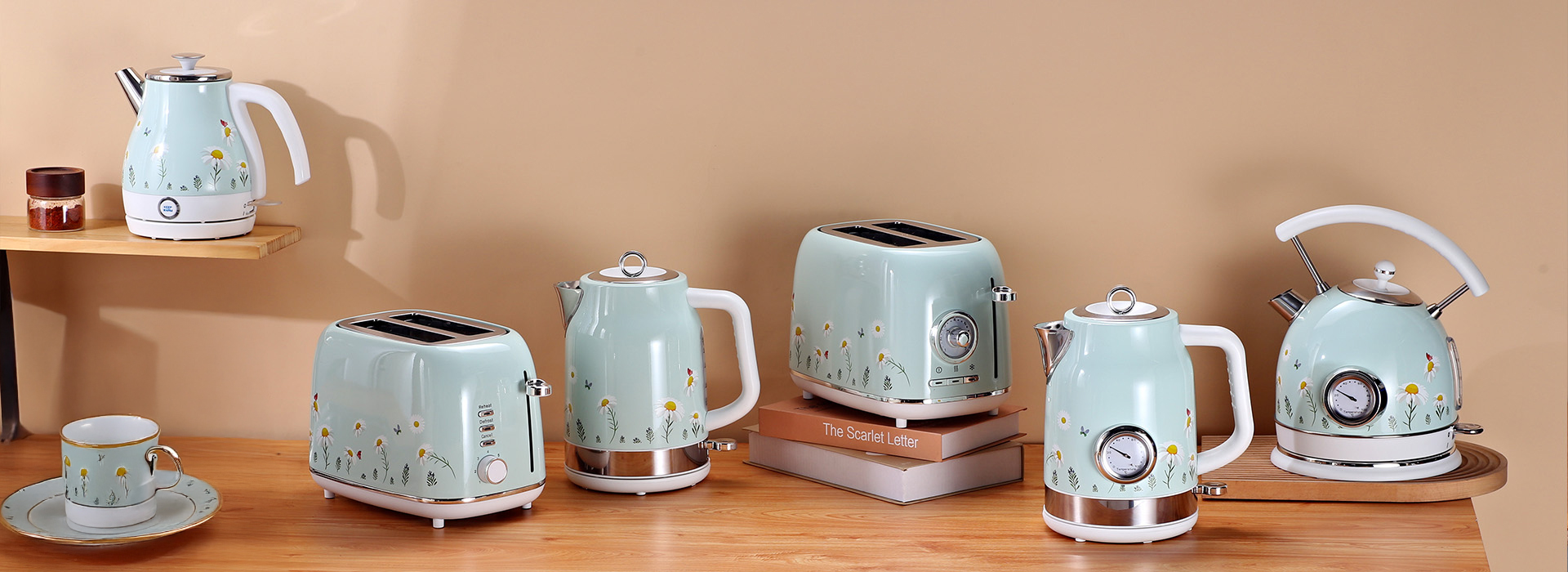
Electric kettles and hot pots have become increasingly popular kitchen appliances due to their convenience and versatility. While their primary purpose is to boil water quickly, many people wonder if they can be used for more than just making hot beverages. In this article, we'll explore the possibilities and limitations of eating directly from an electric kettle or hot pot, as well as provide some useful tips and recipes for those looking to maximize the utility of these devices.
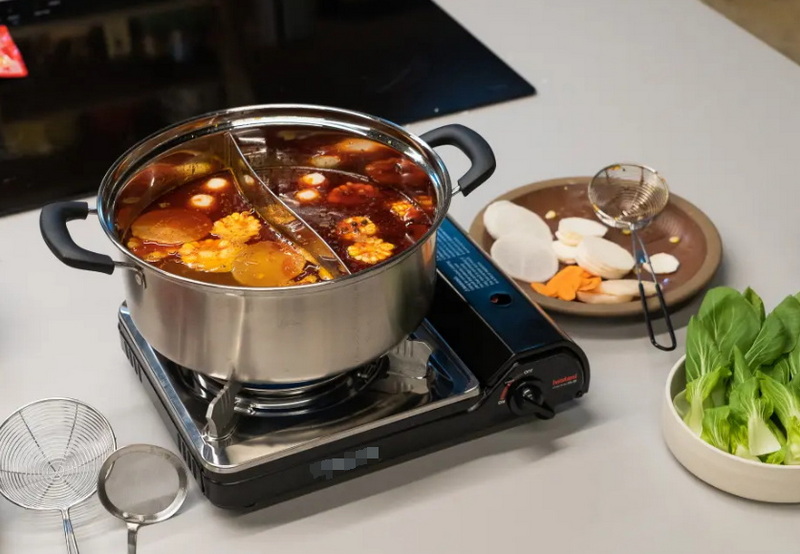
Before diving into the question at hand, it's important to understand the difference between electric kettles and hot pots, as well as their basic functions.
Electric kettles are designed primarily for boiling water quickly and efficiently. They typically consist of a jug-like container with a heating element at the base, a lid, and a power cord. Most electric kettles have an automatic shut-off feature that activates when the water reaches boiling point, making them safer and more energy-efficient than stovetop kettles[1].
Hot pots, on the other hand, are more versatile appliances that can be used for boiling water as well as cooking various foods. They often have temperature controls and may come with additional features such as a removable pot or a steaming tray. Hot pots are popular in many Asian cuisines and are commonly used for preparing soups, stews, and hot pot meals[4].
The short answer is: it depends on the type of electric kettle you have and what you're trying to cook. While most electric kettles are designed solely for boiling water, some models can be used for simple cooking tasks.
For standard electric kettles, it's generally not recommended to eat directly from them or use them for cooking purposes other than boiling water. Here's why:
1. Safety concerns: Most electric kettles are not designed to handle food particles, which can accumulate on the heating element and potentially cause electrical hazards[6].
2. Limited temperature control: Standard kettles typically only have one temperature setting (boiling), which is not suitable for cooking most foods.
3. Material considerations: Many kettles are made of materials that are not food-safe beyond boiling water, such as certain plastics or metals with coatings that may leach into food at high temperatures[12].
4. Cleaning difficulties: The shape and design of most kettles make them challenging to clean thoroughly if used for cooking.
Some newer models of electric kettles and hot pots are designed with cooking capabilities in mind. These appliances often feature:
- Adjustable temperature controls
- Removable, dishwasher-safe pots
- Food-safe materials
- Wider openings for easy cleaning
If you have one of these multifunctional devices, you may be able to cook simple meals directly in them. However, it's crucial to follow the manufacturer's instructions and use the appliance only for its intended purposes[20].
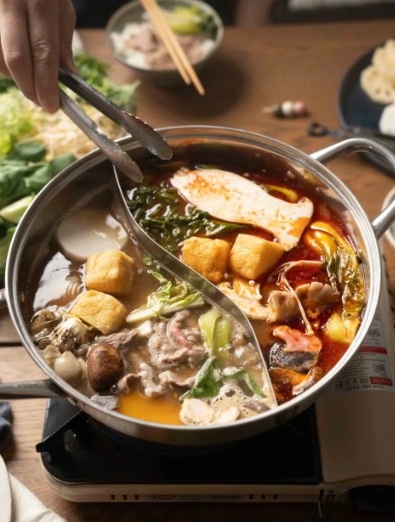
While eating directly from a standard electric kettle is not recommended, there are several safe and creative ways to use these appliances for cooking. Here are some methods and recipes to try:
One of the safest ways to cook using an electric kettle is the boil-in-bag method. This involves placing pre-packaged or homemade meals in heat-safe bags and submerging them in boiling water[4].
Recipe: Boil-in-Bag Oatmeal
- Place 1/2 cup of rolled oats, 1 tbsp of dried fruit, and a pinch of salt in a heat-safe bag.
- Boil water in your electric kettle.
- Place the bag in a heat-safe bowl and pour the boiling water over it.
- Let it sit for 5-10 minutes, then carefully remove the bag and enjoy your oatmeal.
Electric kettles are perfect for preparing instant noodles and soups. Simply boil water in the kettle and pour it over your instant meal in a separate bowl[3].
Recipe: Upgraded Instant Ramen
- Place instant ramen noodles in a bowl.
- Add sliced vegetables (e.g., carrots, green onions) and a soft-boiled egg.
- Boil water in your electric kettle and pour it over the noodles.
- Let it sit for 3-5 minutes, then stir and enjoy.
Of course, electric kettles excel at making hot beverages. Beyond simple tea and coffee, you can create various infusions and health drinks.
Recipe: Ginger Lemon Infusion
- Slice 1 inch of fresh ginger and 1/2 a lemon.
- Place the slices in a heat-safe mug.
- Boil water in your electric kettle and pour it over the ginger and lemon.
- Let it steep for 5-10 minutes, then strain (optional) and enjoy.
If you have a multifunctional hot pot, you can prepare a wide variety of meals directly in the appliance. Here are some ideas:
Recipe: Simple Vegetable Soup
- Add sliced vegetables (e.g., carrots, celery, onions) to your hot pot.
- Pour in vegetable or chicken broth.
- Set the temperature to medium and let it simmer for 15-20 minutes.
- Season with salt, pepper, and herbs to taste.
Recipe: Hot Pot Party
- Fill your hot pot with broth and set it to simmer.
- Prepare a variety of thinly sliced meats, vegetables, and noodles.
- Let guests cook their own ingredients in the simmering broth.
- Provide dipping sauces for added flavor.
When using electric kettles or hot pots for cooking, always keep these safety tips in mind:
1. Read the manual: Always follow the manufacturer's instructions and recommendations.
2. Use food-safe materials: Ensure any containers or bags used for cooking are heat-resistant and food-safe.
3. Avoid overfilling: Never fill the kettle or hot pot above the maximum fill line to prevent boiling over.
4. Handle with care: Use oven mitts or pot holders when handling hot appliances or containers.
5. Clean thoroughly: After each use, clean your appliance according to the manufacturer's instructions to prevent buildup of food particles or mineral deposits.
6. Check for damage: Regularly inspect your appliance for any signs of wear or damage, especially to the power cord and heating element.
Beyond basic cooking, there are many creative ways to utilize your electric kettle or hot pot:
Boiling water from an electric kettle can be used to sterilize small items like baby bottle nipples or beauty tools[1].
Pour hot water from your kettle into serving dishes to preheat them before plating hot food.
Use boiling water to help clean stubborn stains or grease from dishes or countertops.
Create a facial steam treatment by pouring hot water into a bowl and leaning over it with a towel draped over your head.
Use hot water for various crafting projects, such as dyeing fabrics or making candles.
As technology advances, we're seeing more innovative designs in the world of electric kettles and hot pots. Some exciting developments include:
- Smart kettles: Connected devices that can be controlled via smartphone apps, allowing you to set precise temperatures and timings.
- Multifunctional appliances: Kettles and hot pots that incorporate features like built-in filters, multiple temperature settings, and even cooking programs.
- Eco-friendly options: Energy-efficient models made from sustainable materials.
While eating directly from a standard electric kettle is generally not recommended due to safety and practical concerns, there are many creative and safe ways to use these appliances for cooking and food preparation. From boil-in-bag meals to instant soups and beyond, electric kettles and hot pots can be versatile tools in your culinary arsenal.
For those interested in expanding their cooking options, investing in a multifunctional hot pot or a kettle designed for cooking can open up a world of possibilities. Always prioritize safety, follow manufacturer instructions, and use food-safe materials when experimenting with these appliances.
As technology continues to evolve, we can expect to see even more innovative and versatile electric kettles and hot pots in the future, further blurring the lines between traditional cooking appliances and offering convenient solutions for quick, easy meals.

While it's possible to cook pasta in some electric kettles, it's generally not recommended for standard models. Pasta can stick to the heating element and be difficult to clean. If you have a multifunctional kettle or hot pot with temperature control, you may be able to cook pasta safely. Always check the manufacturer's instructions before attempting this[4].
It's not advisable to heat milk directly in a standard electric kettle. Milk can easily boil over, creating a mess and potential safety hazard. Additionally, milk residue can be difficult to clean and may affect the taste of water boiled in the kettle afterward. If you need to heat milk, it's best to use a dedicated milk frother or a saucepan on the stove[12].
The frequency of cleaning depends on how often you use your kettle and the hardness of your water. As a general rule, descale your kettle every 4-8 weeks if you use it daily. For regular cleaning, rinse the kettle after each use and wipe it dry. Deep clean it weekly by boiling a mixture of water and vinegar, then rinsing thoroughly[1].
While boiling water in an electric kettle can kill many harmful bacteria and pathogens, it's not a foolproof method for purifying water. Boiling doesn't remove chemical contaminants or heavy metals. If you're concerned about water quality, it's best to use a dedicated water purification system or bottled water for drinking[6].
Avoid cooking foods that can easily stick to or damage the heating element, such as rice, pasta (in standard kettles), or anything with a high sugar content. Also, never attempt to fry foods in an electric kettle or hot pot, as this can be extremely dangerous. Stick to foods that can be safely cooked in boiling water or broth, and always follow the manufacturer's guidelines[20].
[1] https://www.fodors.com/community/travel-tips-and-trip-ideas/cooking-with-an-electric-kettle-1004429/
[2] https://www.milton.in/blogs/all/how-to-use-an-electric-kettle-a-beginner-s-guide
[3] https://www.youtube.com/watch?v=uM3eIRI3G6A
[4] https://primulaproducts.com/a/blog/easy-food-made-with-a-kettle
[5] https://www.shutterstock.com/search/people-eating-hot-pot?page=5
[6] https://articles.earthlingshandbook.org/2010/08/18/electric-kettle/
[7] https://www.youtube.com/watch?v=ka5gz8RZH6E
[8] https://hotcheapeasy.com/2015/07/20/beat-the-heat-with-an-electric-kettle/
[9] https://thestonesoup.com/blog/2012/02/13/the-quickest-easiest-way-to-make-a-hot-meal-without-a-kitchen/
[10] https://www.youtube.com/watch?v=e6uEyjIG54o
[11] https://www.reddit.com/r/cookingforbeginners/comments/175zhsw/what_can_i_cook_with_an_electric_kettle_in_my/
[12] https://ask.metafilter.com/39062/Is-my-tea-kettle-poisonous
[13] https://grist.org/living/is-it-safe-to-cook-with-hot-tap-water/
[14] https://artfultea.com/blogs/tea-wisdom/how-to-use-a-tea-kettle
[15] https://www.reddit.com/r/NoStupidQuestions/comments/12tzbz7/is_it_safe_to_drink_from_an_electric_kettle_or/
[16] https://useandcares.hamiltonbeach.com/files/840201001.pdf
[17] https://www.fluther.com/74322/can-you-heat-liquids-besides-water-in-an-electric-kettle/
[18] https://www.youtube.com/watch?v=Uqa8bc4U6hY
[19] https://files.vesync.com/desc/COSORI_CS108_NK_USER_MANUAL.pdf
[20] https://brentwoodus.com/products/hot-pot
[21] https://www.reddit.com/r/carcamping/comments/1c2r4e0/im_trying_to_come_up_with_ways_to_heat_food_with/
[22] https://thestonesoup.com/blog/2012/02/13/the-quickest-easiest-way-to-make-a-hot-meal-without-a-kitchen/


