

Views: 222 Author: Rebecca Publish Time: 2025-01-19 Origin: Site


Content Menu
● Understanding Electric Kettles
● Requirements for Powering a 1000 Watt Kettle
● Types of Solar Systems Suitable for Kettles
● Choosing the Right Solar Setup
● FAQs
>> 1. What size solar panel do I need to power a kettle?
>> 2. How many batteries do I need?
>> 3. Can I use a smaller inverter?
>> 4. Will my kettle work on cloudy days?
>> 5. How long does it take to boil water using solar?
The integration of solar energy into daily life has become increasingly popular as people seek sustainable and cost-effective solutions for their energy needs. One common question arises: "Can a solar system power a 1000-watt electric kettle?" This article will explore the feasibility, requirements, and practical considerations of using solar energy to operate a 1000-watt electric kettle, along with detailed calculations and insights into solar technology.

Electric kettles are convenient appliances used to boil water quickly. They typically consume between 1000 to 3000 watts, with most standard models averaging around 1500 watts. When considering the use of solar energy to power these devices, it is essential to understand the wattage requirements and how solar systems can meet those needs.
Electric kettles have become a staple in many households due to their efficiency and speed. They are commonly used for preparing tea, coffee, instant noodles, and other hot beverages. The ability to boil water in a matter of minutes makes them an essential kitchen appliance. However, their energy consumption can be significant, especially when used frequently.
Solar energy systems consist of several components:
- Solar Panels: These convert sunlight into electricity.
- Inverters: They convert the direct current (DC) produced by solar panels into alternating current (AC), which is used by most household appliances.
- Batteries: These store excess energy generated during sunny periods for use when sunlight is not available.
To effectively power a 1000-watt kettle, a solar system must be capable of generating enough energy to meet the kettle's wattage requirements. Understanding these components helps in designing a system that can efficiently handle the load of an electric kettle.
The first step in determining if a solar system can power a 1000-watt kettle is to calculate the necessary solar panel output. The amount of energy produced by solar panels depends on several factors, including:
- Wattage of Solar Panels: Common residential panels range from 250 to 400 watts.
- Sunlight Exposure: The number of hours of direct sunlight received daily impacts energy production.
For example, if you have a 300-watt solar panel and receive about five hours of peak sunlight per day, the daily output would be around 1500 watt-hours. This output is sufficient to power a kettle that uses 1000 watts for approximately one hour.
To ensure that you can use the kettle at any time, you need adequate battery storage. The battery must be able to store enough energy to cover the kettle's usage. If the kettle operates for one hour at 1000 watts, it will consume about 1000 watt-hours. Thus, you would need at least a battery capacity of 1000 watt-hours to run the kettle once. However, it's advisable to have additional capacity to account for inefficiencies and other potential loads.
Batteries come in various types, including lead-acid and lithium-ion. Lithium-ion batteries are more efficient and have a longer lifespan compared to lead-acid batteries but tend to be more expensive. When selecting batteries for your solar system, consider both the capacity and the type that best suits your needs.
Using an inverter is crucial when connecting an electric kettle to a solar system. The inverter must be rated for at least the same wattage as the kettle. For a 1000-watt kettle, an inverter rated for at least 1200 watts is recommended to handle any surge power when the kettle first turns on.
Inverters also come with different features such as pure sine wave or modified sine wave outputs. Pure sine wave inverters are more efficient and better suited for sensitive electronics but are typically more expensive than modified sine wave inverters.
It's important to account for efficiency losses in both the inverter and battery systems. Typically, inverters have an efficiency rating between 85% and 95%. Therefore, if using an inverter with an efficiency of around 90%, you may need more than just the exact wattage.
This consideration becomes crucial when designing your solar setup since inefficiencies can lead to inadequate power supply during peak usage times. Additionally, battery discharge rates can affect how much usable energy you get from your stored power.
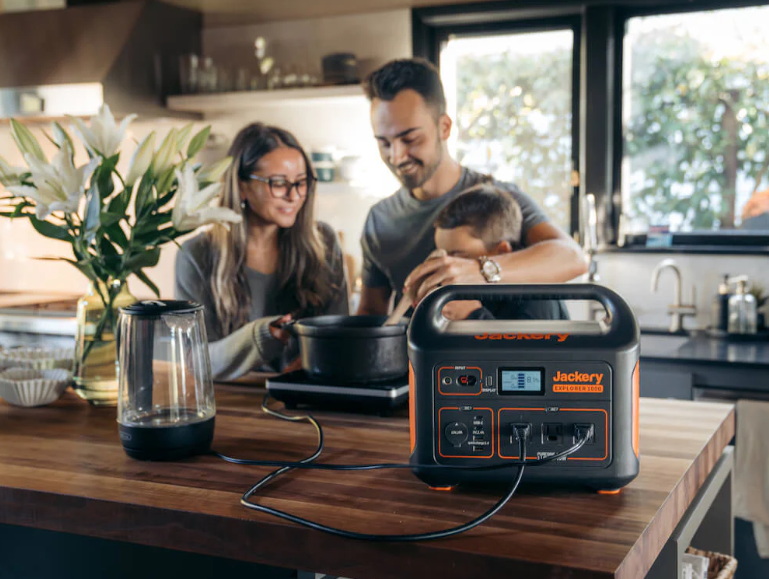
There are generally two types of solar systems suitable for powering kettles:
1. Grid-Tied Systems: These systems are connected to the electrical grid and can draw power from it when needed. They are ideal for households that want to reduce their electricity bills while still having access to grid power.
2. Off-Grid Systems: These systems rely entirely on solar energy and require sufficient battery storage. They are perfect for remote locations where grid access is unavailable.
Grid-tied systems often come with net metering options where excess energy generated can be sold back to the grid, providing additional savings or income. Off-grid systems require careful planning regarding battery size and panel output since they must accommodate all household energy needs without relying on external sources.
When deciding on a solar setup for your electric kettle, consider the following factors:
- Energy Needs: Calculate your total daily energy consumption beyond just the kettle. Include other appliances that may run simultaneously.
- Location: Assess how much sunlight your location receives throughout the year. Areas with less sunlight may require larger setups or more efficient panels.
- Budget: Determine how much you are willing to invest in a solar system upfront versus long-term savings on electricity bills.
- Installation Space: Ensure you have adequate roof space or ground area for installing solar panels without shading from trees or buildings.
Maintaining your solar system is essential for its longevity and efficiency:
- Regular Cleaning: Dust and debris can accumulate on panels, reducing their effectiveness. Regular cleaning ensures optimal performance.
- Battery Maintenance: Check battery levels regularly if using lead-acid batteries; lithium-ion batteries require less maintenance but should still be monitored.
- Inverter Checks: Periodically inspect your inverter for any signs of wear or malfunctioning components.
Many households have successfully integrated solar systems capable of powering electric kettles along with other appliances:
- Camping and RVs: Portable solar setups allow users to boil water while off-grid.
- Remote Cabins: Off-grid cabins often utilize solar systems as their primary source of electricity.
- Emergency Preparedness: Homes equipped with solar setups can maintain essential functions during outages.
These applications demonstrate how versatile and beneficial solar technology can be in various contexts beyond just powering kettles.
In conclusion, it is feasible to power a 1000-watt electric kettle using solar energy, provided that you have an adequately sized solar panel array, appropriate battery storage, and a suitable inverter. With careful planning regarding energy needs, location considerations, and maintenance practices, homeowners can enjoy both convenience and sustainability through solar-powered kettles.
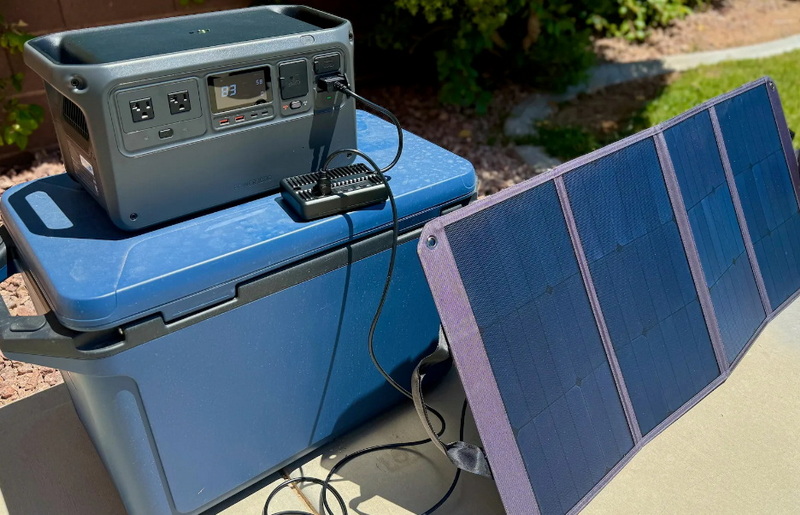
To power a standard electric kettle (around 1500 watts), you would typically need at least a 300-watt panel, ideally more if you want additional capacity for cloudy days or other appliances.
You would require batteries with a total capacity exceeding 1000 Wh (watt-hours) to ensure sufficient energy storage for multiple uses throughout the day.
No, it's recommended that your inverter should be rated at least 120% of your kettle's wattage due to surge requirements; thus, opt for at least a 1200-watt inverter.
Yes, but performance will be reduced; kettles may take longer to boil water since they rely on direct sunlight for optimal efficiency.
The time it takes depends on several factors including sunlight intensity and kettle efficiency; typically expect around 10-15 minutes under ideal conditions with sufficient sunlight.


