

Views: 222 Author: Rebecca Publish Time: 2025-01-16 Origin: Site


Content Menu
● Understanding the Basics of Steaming Milk
● The Science Behind Heating Milk
● Can You Steam Milk in an Electric Kettle?
● Techniques for Steaming Milk in an Electric Kettle
● Alternatives to Steaming Milk in an Electric Kettle
● Understanding Different Types of Milk
● Best Practices for Heating Milk
● FAQ
>> 1. Can I put any type of milk in my electric kettle?
>> 2. What temperature should I aim for when steaming milk?
>> 3. How do I clean my kettle after using it for milk?
>> 4. Is it safe to leave my kettle unattended while heating milk?
>> 5. Are there any special kettles designed for steaming milk?
Electric kettles have become a staple in many kitchens, known for their efficiency in boiling water quickly for tea, coffee, and other hot beverages. However, a common question arises: can you steam milk in an electric kettle? This article will explore the possibilities, techniques, and safety concerns associated with using an electric kettle for steaming milk.
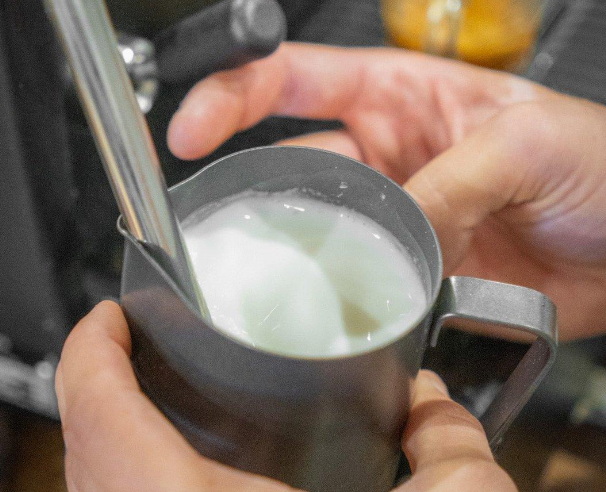
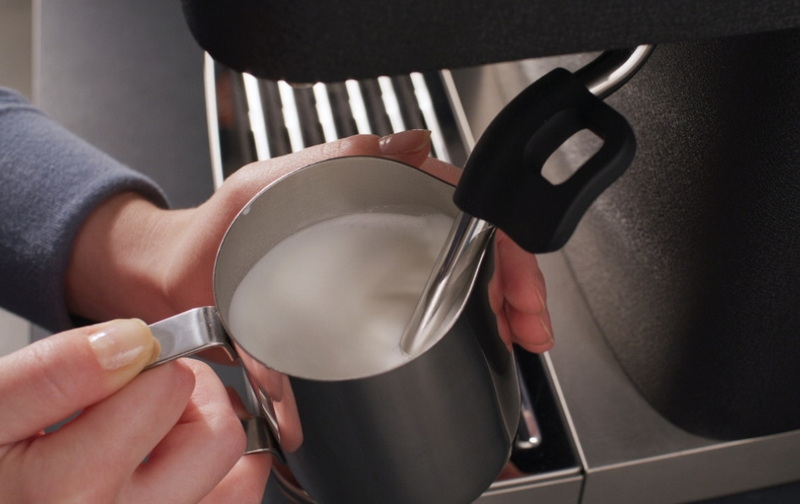
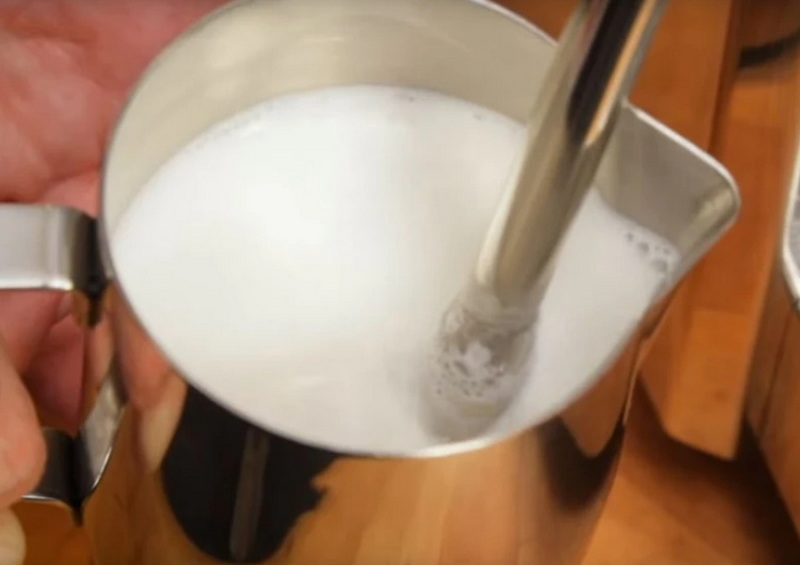
Steaming milk is a technique commonly used in coffee preparation, particularly for lattes and cappuccinos. The process involves heating milk and incorporating air to create a creamy texture and microfoam. While traditional espresso machines come equipped with steam wands specifically designed for this purpose, many people wonder if they can achieve similar results using an electric kettle.
Milk is composed of water, fats, proteins, and sugars. When heated, these components behave differently than water:
- Scorching: The proteins in milk can easily burn when exposed to high heat, leading to an unpleasant taste and residue buildup in the kettle.
- Foaming: As milk heats up, it tends to froth and expand. This can lead to overflow if the kettle is filled too high.
- Temperature Sensitivity: Unlike water, which boils at 212°F (100°C), milk requires more precise temperature control. Ideal temperatures for steaming milk typically range from 140°F to 155°F (60°C to 68°C) for frothing and around 150°F to 160°F (65°C to 71°C) for drinking.
While it is technically possible to heat milk in an electric kettle, doing so requires caution. Here are some considerations:
- Kettle Design: Not all electric kettles are suitable for heating milk. Kettles with exposed heating elements are particularly risky as they can scorch the milk easily.
- Temperature Control: If your kettle has adjustable temperature settings, it is better suited for steaming milk. If not, you must monitor the process closely to avoid overheating.
- Cleaning Challenges: Milk can leave a residue that is difficult to clean from kettles. It's essential to clean the kettle immediately after use to prevent bacterial growth and maintain its longevity.
If you decide to use your electric kettle for steaming milk, consider the following techniques:
1. Use a Double Boiler Method: Place a heat-safe container with milk inside the kettle filled with a small amount of water. This indirect heating method reduces the risk of scorching.
2. Fill Only Halfway: Always fill the kettle no more than halfway to allow room for the milk to expand as it heats.
3. Heat in Intervals: Turn the kettle on and off in short bursts while stirring the milk frequently. This helps distribute heat evenly and prevents scorching.
4. Monitor Closely: Never leave the kettle unattended while heating milk. Be prepared to remove it from the base quickly if it starts to froth excessively.
5. Use Cold Milk: Start with refrigerated milk for better frothing results.
6. Whisk or Froth After Heating: After heating, use a whisk or handheld frother to aerate the milk further and create foam.
Using an electric kettle to steam milk comes with several risks:
- Overheating: Milk can quickly overheat, leading to a burnt taste and potential safety hazards.
- Overflow: As mentioned earlier, heated milk tends to expand and can easily boil over if not monitored closely.
- Damage to Kettle: Residue from burnt milk can damage the heating element over time.
- Bacterial Growth: If not cleaned properly after use, leftover milk can harbor harmful bacteria.
For those who frequently need steamed or frothed milk, investing in specialized appliances may be more practical:
- Milk Frothers: These devices heat and froth milk simultaneously.
- Steamers: Designed specifically for creating frothed milk.
- Sous Vide Machines: Allow precise temperature control without risk of scorching.
- Stovetop Methods: Using a saucepan on low heat allows better control over temperature and easier stirring.
When steaming or frothing milk, it's essential to consider the type of milk used as different varieties yield different results:
- Whole Milk: This type produces rich foam due to its higher fat content, making it ideal for lattes and cappuccinos.
- Skim or Low-Fat Milk: While these options create less creamy foam compared to whole milk, they tend to produce more bubbles due to their protein content.
- Non-Dairy Alternatives:
- "Soy Milk": One of the original non-dairy milks that can foam well but may not be as stable as dairy.
- "Oat Milk": Known for its creamy texture and excellent frothing ability; many baristas prefer oat milk for lattes.
- "Almond Milk": Can produce decent foam but may require specific brands designed for barista use.
- "Coconut Milk": High-fat content allows it to froth well but may impart a distinct flavor that some may not prefer.
To get the best results when heating milk in an electric kettle or any other method, follow these best practices:
1. Start with Cold Milk: Cold or refrigerated milk tends to froth better than warm or room-temperature options.
2. Use a Thermometer: If your kettle does not have temperature control features, using a thermometer will help you monitor the temperature closely.
3. Avoid Rapid Heating: Gradually heat the milk instead of using high settings; this helps prevent curdling or scorching.
4. Clean Immediately After Use: To prevent bacterial growth and maintain appliance longevity, clean your kettle right after heating milk.
5. Experiment with Techniques: Try different methods like shaking in a jar or using a whisk after heating if you don't have specialized equipment at hand.
While it is possible to steam or heat milk in an electric kettle, it may not be the best method due to potential risks such as scorching and overflow. If you choose this route, employ careful techniques and prioritize safety by monitoring closely during the process. For regular use, consider investing in dedicated appliances designed specifically for steaming or frothing milk.
Yes, you can use various types of milk (whole, skim, almond) but be cautious as different milks may behave differently when heated.
The ideal temperature for steaming milk is between 140°F (60°C) and 155°F (68°C).
Clean your kettle immediately after use with hot water and mild detergent to prevent residue buildup.
No, it is not safe; always monitor your kettle closely when heating milk to prevent overflow or burning.
Yes, some manufacturers produce specialized kettles with features like temperature control that are better suited for heating milk safely.
[1] https://www.yongkeng.com/how-to-heat-milk-in-electric-kettle.html
[2] https://www.thepioneerwoman.com/food-cooking/cooking-tips-tutorials/a91134/8-ways-to-froth-milk/
[3] https://www.yongkeng.com/can-you-use-a-tea-kettle-on-an-electric-stove.html
[4] https://www.electrickettlesguide.com/can-you-boil-milk-in-electric-kettles/
[5] https://www.nomadcoffeeclub.com/blogs/news/how-to-steam-milk-at-home
[6] https://www.youtube.com/watch?v=gmt0yvBRqSI
[7] https://fountainavenuekitchen.com/homemade-latte/
[8] https://www.sunbeam.com.au/hints-and-tips/how-to-perfectly-steam-milk
[9] https://www.reddit.com/r/explainlikeimfive/comments/1czouit/eli5_why_milk_cant_be_used_for_boiling_in/
[10] https://www.seriouseats.com/coffee-technique-how-to-make-steamed-milk-for-cappuccino-at-home
[11] https://www.tiger-corporation.com/en/jpn/newsroom/important-notice/info_160212/
[12] https://food52.com/hotline/10576-how-do-you-steam-milk-at-home-for-a-latte-without-a-milk-steamer
[13] https://www.wholelattelove.com/blogs/how-to/milk-frothing-for-beginners-5-tips
[14] https://lorcoffee.com/blogs/inspiration/how-to-froth-milk-with-or-without-a-frother
[15] https://www.seriouseats.com/best-milk-frothers-5189329
[16] https://www.yongkeng.com/can-you-steam-milk-in-an-electric-kettle.html
[17] https://www.youtube.com/watch?v=tk3qQln23AQ
[18] https://nymag.com/strategist/article/best-milk-frothers.html
[19] https://www.reddit.com/r/gaggiaclassic/comments/mbfusv/milk_steam_tips/
[20] https://www.youtube.com/watch?v=Kcb_TZSdngE
[21] https://www.foodandwine.com/lifestyle/kitchen/best-milk-frothers
[22] https://www.home-barista.com/tips/steaming-milk-tips-for-beginners-t88511.html
[23] https://www.reddit.com/r/FlairEspresso/comments/1779avf/how_do_you_froth_milk_no_espressowand_machine/
[24] https://www.tiktok.com/@ascookedbyginger/video/7070162115201371398
[25] https://www.reddit.com/r/Coffee/comments/pwhs0t/any_stand_alone_milk_steamers/
[26] https://www.reddit.com/r/Coffee/comments/1u54nz/is_it_possible_to_foam_milk_without_a_steam_wand/


