

Views: 222 Author: Rebecca Publish Time: 2025-01-14 Origin: Site


Content Menu
● Understanding Electric Kettles
>> Key Features of Electric Kettles:
● Can You Heat Oil in an Electric Kettle?
● What Happens When You Heat Oil in an Electric Kettle?
● Tips for Safe Use of Electric Kettles
● The Science Behind Heating Oil vs. Water
● Cleaning Challenges After Heating Oil
● Expanding on Safety Precautions
● Understanding Different Types of Electric Kettles
>> Variable Temperature Kettles:
● The Importance of Following Manufacturer Guidelines
● FAQ
>> 1. Can I cook food in my electric kettle?
>> 2. What types of oils have high smoke points?
>> 3. What should I do if my kettle smells like burnt oil?
>> 4. Is it safe to reheat leftover cooking oil?
>> 5. Can I use my electric kettle for other liquids besides water?
Electric kettles have become an indispensable appliance in many kitchens, primarily used for boiling water quickly and efficiently. However, as people explore the versatility of these devices, a common question arises: Can I heat oil in an electric kettle? This article will delve into the safety concerns, potential consequences, and alternative uses of electric kettles to provide a comprehensive understanding of this topic.
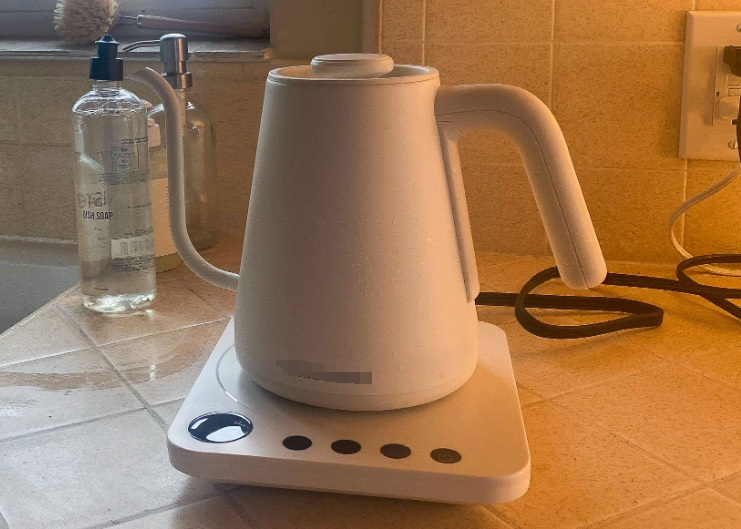
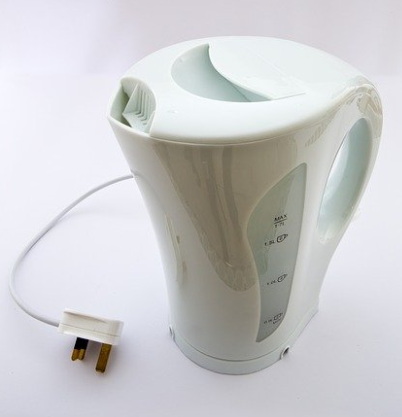
Electric kettles are designed specifically for boiling water. They consist of a heating element, a container for water, and an automatic shut-off mechanism that activates when the water reaches its boiling point. This design is optimized for water and not for other liquids or substances.
- Quick Boiling: Electric kettles can boil water faster than traditional stovetop methods.
- Automatic Shut-Off: This feature prevents overheating and potential fires.
- Energy Efficiency: They consume less energy compared to boiling water on a stove.
While it may be technically possible to heat oil in an electric kettle, it is generally not recommended for several reasons:
1. Safety Hazards: Heating oil can be dangerous due to its high smoke point. For example, oils like olive oil can start smoking at around 190°C (375°F), while others can reach much higher temperatures. If the kettle is not designed for such high temperatures, it could lead to overheating and potentially cause a fire.
2. Kettle Damage: Most electric kettles are not built to handle oils. The residue left behind from heating oil can be difficult to clean and may damage the kettle's internal components over time.
3. Health Risks: If oil overheats or burns, it can produce harmful fumes that may contaminate the kettle and any food or drink prepared afterward.
4. Manufacturer Warnings: Most manufacturers explicitly state that kettles should only be used for boiling water. Ignoring these guidelines can void warranties and pose safety risks.
When oil is heated in an electric kettle, several things can occur:
- Smoke Production: As the temperature rises, the oil may begin to smoke before reaching its boiling point, creating a potential fire hazard.
- Spillage Risk: If the oil bubbles or foams excessively, it could spill over the edges of the kettle, leading to burns or damage.
- Electrical Malfunction: Excessive heat from the oil could damage the electrical components of the kettle, leading to failures or short circuits.
If you need to heat oil for cooking or frying, consider these safer alternatives:
- Stovetop Cooking: Use a frying pan or pot on the stove where you have better control over the temperature.
- Deep Fryer: For frying foods, a dedicated deep fryer is designed specifically for this purpose. These appliances come with safety features like temperature controls and automatic shut-offs to prevent overheating.
- Microwave: For small amounts of oil, you can use a microwave-safe container in short bursts to gently warm it.
If you choose to use an electric kettle for its intended purpose—boiling water—here are some safety tips:
- Do Not Overfill: Ensure you do not exceed the maximum fill line to prevent spills during boiling.
- Keep It Clean: Regularly descale your kettle to prevent buildup that could affect performance and taste.
- Monitor Usage: Always stay nearby while your kettle is in use to respond quickly if something goes wrong.
- Use Only Water: Stick to heating only water in your kettle as per manufacturer instructions.
Understanding why heating oil in an electric kettle poses risks requires a look at the science behind boiling points and thermal properties:
- Boiling Points: Water boils at 100°C (212°F), while common cooking oils have much higher smoke points—typically ranging from 160°C (320°F) for lower-quality oils up to 240°C (464°F) for oils like refined safflower[1]. This means that while your kettle will shut off when water boils, it will continue heating oil well past its safe limits.
- Thermal Conductivity: Oil has different thermal conductivity properties compared to water. It does not transfer heat as efficiently as water does; thus, it can lead to uneven heating and hot spots within the kettle. This uneven heating increases the risk of burning or smoking[2].
If you accidentally heat oil in your electric kettle, cleaning it can be quite challenging:
- Residue Buildup: Oil residue is notoriously difficult to clean from surfaces due to its viscosity. It tends to cling onto surfaces and can become rancid if not cleaned properly[3].
- Odor Contamination: Even after thorough cleaning, residual odors from burnt oil can linger and affect future uses of the kettle—especially when boiling water for tea or coffee[4].
When using any appliance like an electric kettle, safety should always be paramount. Here are additional precautions you should take:
Maintaining your electric kettle ensures longevity and efficiency:
- Descaling Regularly: Hard water can lead to mineral buildup inside your kettle. Descaling every few months using vinegar or citric acid helps maintain performance[5].
- Inspecting Cords and Plugs: Regularly check for wear on cords or plugs. A damaged cord poses a risk of electrical shock or fire[6].
When not in use:
- Store your electric kettle with the lid open; this allows moisture inside to evaporate and prevents mold growth[7].
Using filtered water instead of tap water can help reduce mineral buildup inside your kettle[8].
There are various types of electric kettles available on the market today:
These are designed solely for boiling water quickly with minimal features beyond basic functionality.
These allow users to select specific temperatures ideal for different types of teas or coffee brewing—providing versatility beyond just boiling[9].
Compact designs made specifically for portability while still providing quick boiling capabilities—ideal for travel enthusiasts[10].
Each model of electric kettle comes with specific operating instructions that should be adhered to strictly:
- Always refer back to these guidelines when unsure about what liquids can be safely heated within them[11].
Following these practices will ensure that your kitchen remains safe while maximizing the efficiency of your appliances!
In summary, while it might be tempting to use an electric kettle for heating oil due to its convenience, it is not advisable due to safety concerns and potential damage to the appliance. Instead, opt for traditional cooking methods that are specifically designed for handling oils. By following safety guidelines when using electric kettles for their intended purpose—boiling water—you can enjoy their benefits without risking accidents or appliance failure.
Yes, you can prepare certain foods like instant noodles or oatmeal in an electric kettle as long as you follow safety guidelines and do not exceed the maximum fill line with water.
Oils like avocado oil (520°F), refined safflower oil (510°F), and refined peanut oil (450°F) have high smoke points suitable for frying but should not be heated in electric kettles.
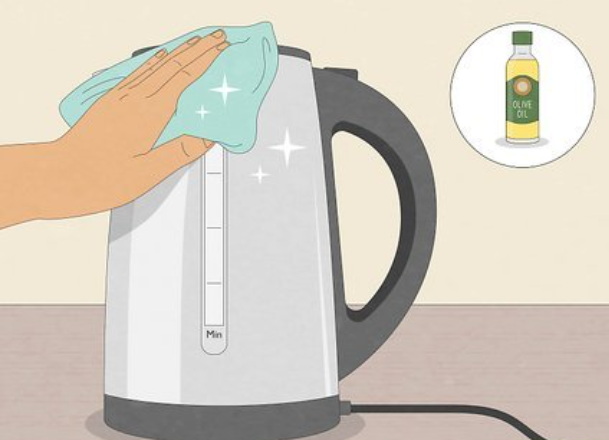
If you accidentally heat oil in your kettle and it smells burnt, clean it thoroughly with vinegar and water solution before using it again for boiling water.
Reheating leftover cooking oil is generally safe if done properly; however, ensure it has not been used excessively or heated beyond its smoke point previously.
While some people do use electric kettles for liquids like broth or tea, it's essential to check your specific model's guidelines first as many manufacturers recommend only using water.
[1] https://www.yongkeng.com/can-we-use-oil-in-electric-kettle.html
[2] https://davisheatingcooling.com/blog/dangers-of-oil-heaters/
[3] https://stilldragon.com/blog/the-best-way-to-heat-your-still/
[4] https://timesofindia.indiatimes.com/life-style/food-news/kitchen-hacks-101-5-safety-tips-for-electric-kettle-to-keep-handy/photostory/103956888.cms
[5] https://geepas.co.uk/blogs/magazine/electric-kettle-maintenance-101
[6] https://evoloop-home.com/blogs/news/tips-for-using-electric-kettles
[7] https://van.physics.illinois.edu/ask/listing/1428
[8] https://combinedenergyservices.com/fuel-oil-safety/
[9] https://ask.metafilter.com/85274/Alternatives-to-heating-with-oil
[10] https://www.crompton.co.in/blogs/kitchen-appliances-guide/is-an-electric-kettle-good-for-health-and-safe-to-use
[11] https://www.electricalsafetyfirst.org.uk/guidance/product-safety/kettles/
[12] https://forum.heatinghelp.com/discussion/194416/replacing-oil-hot-water-boiler-and-alternatives
[13] https://www.fluther.com/74322/can-you-heat-liquids-besides-water-in-an-electric-kettle/
[14] https://www.yongkeng.com/news/Risks-of-Using-Oil-in-Kettle.html
[15] https://adiforums.com/topic/1532-alternatives-to-steam-heat/
[16] https://forums.moneysavingexpert.com/discussion/4314491/oil-in-kettle-help-please
[17] https://www.greenmatch.co.uk/blog/low-carbon-heating
[18] https://www.reddit.com/r/chemistry/comments/10uhka9/is_it_safe_to_boil_vinegar_in_a_electric_water/
[19] https://www.diychatroom.com/threads/electric-vs-oil-hot-water.155338/
[20] https://www.goodhousekeeping.com/home/cleaning/a40707243/how-to-clean-electric-kettle/
[21] https://www.allrecipes.com/article/electric-kettle-cleaning-tip/
[22] https://www.kitchenaid.com/pinch-of-help/countertop-appliances/how-to-use-a-kettle.html
[23] https://www.youtube.com/watch?v=aZvmze9kixY
[24] https://www.kent.co.in/blog/precautions-to-consider-when-using-an-electric-kettle/
[25] https://www.kitchenaid.com/pinch-of-help/countertop-appliances/how-to-clean-an-electric-kettle.html
[26] https://www.tiger-corporation.com/en/jpn/newsroom/important-notice/info_160212/
[27] https://www.everythingkitchens.com/media/manual/01167.pdf
[28] https://shop.feelcomfee.com/blogs/articles/how-to-clean-the-inside-of-electric-kettles
[29] https://moorgen.hk/blogs/moorgenzine/smart-living-5-energy-saving-tips-for-electric-kettles
[30] https://useandcares.hamiltonbeach.com/files/840215502.pdf


