

Views: 222 Author: Rebecca Publish Time: 2025-01-06 Origin: Site


Content Menu
● The Basics of Electric Kettles
● The Concept of Using an Electric Kettle as a Room Heater
● Comparing Electric Kettles to Traditional Heating Methods
● Alternative Uses for Electric Kettles
● Environmental Considerations
● The Importance of Proper Room Heating
● Innovative Heating Solutions
● FAQ
>> 1. Can I leave water in my electric kettle?
>> 2. How does an electric kettle know when to turn off?
>> 3. Are electric kettles more energy-efficient than stovetop kettles?
>> 4. Can electric kettles be used for purposes other than boiling water?
>> 5. How often should I clean my electric kettle?
Electric kettles are ubiquitous household appliances, primarily used for boiling water quickly and efficiently. However, a question that sometimes arises is whether these devices can serve a dual purpose and effectively heat a room. In this comprehensive article, we'll explore this intriguing concept, examining the potential, limitations, and practical considerations of using an electric kettle as a room heater.
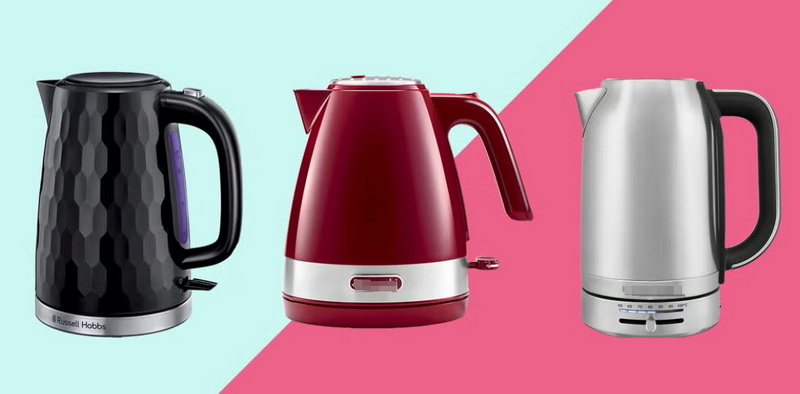
Before delving into their potential as room heaters, let's first understand how electric kettles work. Electric kettles are designed to heat water rapidly using an electric heating element. They typically have a capacity ranging from 1 to 1.7 liters and can bring water to a boil in just a few minutes[1].
Electric kettles are known for their efficiency in heating water. They use a rapid-boil system that transfers heat directly to the water, making them faster than stovetop kettles and more energy-efficient than microwaves for heating water[9].
The idea of using an electric kettle to heat a room stems from the basic principle that any device that produces heat can potentially warm its surroundings. When an electric kettle boils water, it releases heat and steam, which could theoretically contribute to raising the temperature in a small space.
An interesting discussion on this topic emerged on Reddit, where a user suggested using an electric kettle and a fan to efficiently heat a room[8]. The concept involves boiling water in the kettle and using a fan to distribute the warm, moist air throughout the room.
While this idea might seem innovative, it's essential to consider several factors before attempting to use an electric kettle as a room heater.
Electric kettles are designed for quick, efficient water heating, not continuous operation as room heaters. A typical electric kettle uses about 1500 watts of power[1]. While this allows for rapid water boiling, it also means high energy consumption if used continuously.
The cost of using an electric kettle as a room heater can be substantial. As one Reddit user pointed out, "Electricity is around $0.11/Kwh where I live. An electric kettle would cost astronomically more than gas for heating."[8] This highlights the potential economic drawbacks of this method.
Electric kettles are not designed for continuous operation. Most models have automatic shut-off features to prevent overheating and boil-dry protection[9]. Attempting to use them as room heaters could bypass these safety features, potentially leading to hazardous situations.
To put the idea of using an electric kettle as a room heater into perspective, let's compare it with traditional heating methods.
Purpose-built electric space heaters are designed specifically for room heating. They often include features like thermostats, multiple heat settings, and safety mechanisms that make them more suitable and efficient for heating spaces.
Central heating systems, whether gas or electric, are designed to heat entire homes efficiently. They distribute heat evenly and can be controlled centrally, making them more practical for whole-house heating.
Some homeowners have explored using their water heaters for room heating. While this can be more efficient than using an electric kettle, it requires proper setup and safety considerations[7].

One potential benefit of using an electric kettle to heat a room is the added humidity. Boiling water releases steam, which can increase the moisture content in the air. This could be beneficial in dry environments, potentially making the room feel warmer and more comfortable.
However, excessive humidity can lead to other issues, such as mold growth and condensation on windows and walls. It's crucial to maintain a balance if considering this method.
While electric kettles may not be ideal for heating rooms, they excel in their intended purpose and offer various benefits:
1. Quick and Efficient Water Boiling: Electric kettles can boil water faster than stovetops or microwaves[3].
2. Energy Efficiency: When used for their intended purpose, electric kettles are more energy-efficient than other water heating methods[1].
3. Precise Temperature Control: Some advanced models offer temperature control, perfect for brewing different types of tea or coffee[9].
4. Convenience: Cordless models and automatic shut-off features make electric kettles safe and easy to use[9].
When discussing heating methods, it's important to consider environmental impact. While electric kettles are efficient for boiling water, using them as room heaters would likely be less eco-friendly than purpose-built heating systems. Modern heating systems often incorporate energy-saving features and can be more environmentally sustainable when used correctly.
Adequate room heating is crucial for comfort and health, especially in colder climates. While the idea of using an electric kettle as a heater might seem innovative, it's essential to prioritize effective and safe heating methods. Proper insulation, energy-efficient heating systems, and smart thermostats are generally more reliable and cost-effective solutions for maintaining a comfortable room temperature.
The discussion around using electric kettles for heating rooms highlights a broader interest in innovative, DIY heating solutions. While creativity in energy use is commendable, it's crucial to prioritize safety and efficiency. Some innovative yet practical heating solutions include:
1. Radiant Floor Heating: This system heats rooms from the ground up, providing even and comfortable warmth.
2. Heat Pumps: These devices can both heat and cool spaces efficiently by transferring heat from the outside air or ground.
3. Solar Heating: Utilizing solar panels to generate heat can be an eco-friendly option in suitable climates.
4. Geothermal Heating: This method harnesses the earth's constant underground temperature to heat homes efficiently.
While the idea of using an electric kettle to heat a room is creative, it's not a practical or efficient solution. Electric kettles are designed for quick water heating, not continuous operation as room heaters. The energy consumption, cost, and safety concerns make this method impractical for room heating.
Instead, it's advisable to use electric kettles for their intended purpose – quickly boiling water for beverages and cooking. For room heating, stick to purpose-built heating systems that offer safety, efficiency, and comfort. Remember, innovative thinking in energy use is valuable, but it should always be balanced with practicality and safety considerations.

For best results, it's recommended to empty your electric kettle after each use. Leaving water in the kettle for extended periods can lead to mineral deposit build-up. Regular emptying and descaling will help maintain your kettle's efficiency and longevity[3].
Most modern electric kettles use a bi-metal strip mechanism. When water boils, steam rises through a tube, bending the bi-metal strip. This movement triggers the kettle's switch, turning it off automatically[5].
Yes, electric kettles are generally more energy-efficient than stovetop kettles. They heat water directly and lose less heat in the process, making them quicker and more efficient[1].
While primarily designed for boiling water, some people use electric kettles for cooking simple foods like instant noodles or oatmeal. However, it's important to check your kettle's manual, as some models are not designed for cooking[9].
It's recommended to clean your electric kettle every few months or more frequently if you use it often. Descaling with vinegar or a commercial descaling solution can help remove mineral deposits and maintain efficiency[3].
[1] https://shop.feelcomfee.com/blogs/articles/benefits-of-using-electric-kettles-in-your-home
[2] https://www.odf.fr/en/blog/electric-kettle-an-essential-in-hotel-rooms-n34
[3] https://www.kitchenaid.com/pinch-of-help/countertop-appliances/how-to-use-a-kettle.html
[4] https://www.alamy.com/stock-photo/electric-water-boiler.html
[5] https://www.youtube.com/watch?v=nqyi4Sr4MIY
[6] https://diy.stackexchange.com/questions/288595/is-it-more-efficient-to-boil-water-in-a-pot-on-the-electric-stove-than-in-an-ele
[7] https://www.finehomebuilding.com/forum/using-my-water-heater-to-heat-a-room
[8] https://www.reddit.com/r/LifeProTips/comments/5jvssd/lpt_an_electric_kettle_and_a_fan_can_efficiently/
[9] https://www.proctorsilex.com/electric-kettles
[10] https://www.youtube.com/watch?v=C-ovhdl7xVw


