

Views: 222 Author: Rebecca Publish Time: 2025-04-03 Origin: Site


Content Menu
● Introduction to Tea Stains and Mineral Deposits
● Methods for Removing Tea Stains
>> 3. Lemon Juice or Citric Acid
>>> How to Use Lemon Juice or Citric Acid:
● Additional Tips for Maintaining Your Kettle
● Cleaning Different Types of Kettles
● Choosing the Right Cleaning Tools
● Extending the Lifespan of Your Kettle
>> 1. Can I Use Bleach to Clean My Electric Kettle?
>> 2. How Often Should I Clean My Electric Kettle?
>> 3. Will Vinegar Damage My Electric Kettle?
>> 4. Can I Use Commercial Descalers Instead?
>> 5. What Should I Do If My Kettle Has Stubborn Stains?
Removing tea stains from an electric kettle is a common challenge many tea enthusiasts face. These stains are primarily caused by tannins in tea and mineral deposits from hard water. In this article, we will explore effective methods to clean your electric kettle, ensuring it remains in good condition and continues to perform optimally.
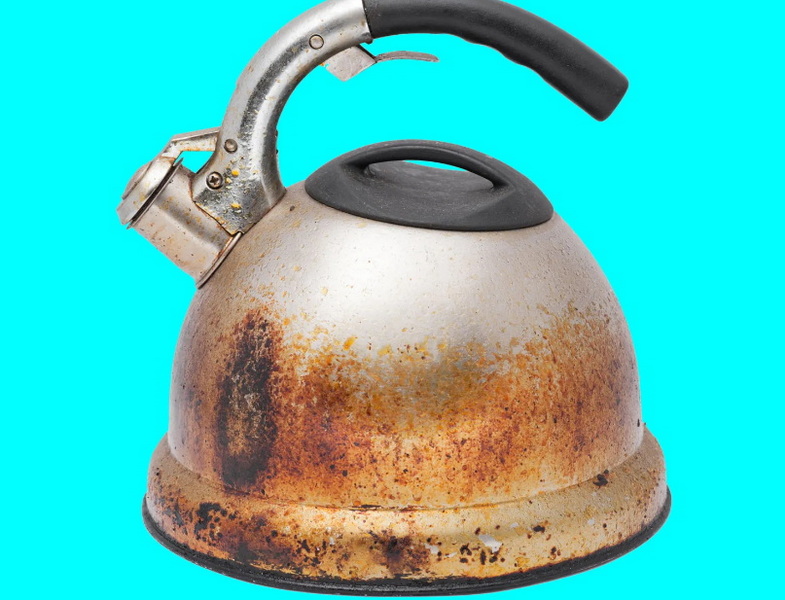
Tea stains in electric kettles are often brownish and result from the natural compounds found in tea, known as tannins. Additionally, mineral deposits like calcium and magnesium from hard water can accumulate over time, leading to stubborn stains and affecting the kettle's efficiency.
- Tannins: These are natural compounds in tea that can leave a brownish residue.
- Mineral Deposits: Hard water contains minerals that can accumulate and form limescale.
There are several household items you can use to remove tea stains from your electric kettle effectively.
Vinegar is a popular choice for cleaning electric kettles due to its mild acidity, which helps break down mineral deposits and stains.
1. Prepare the Solution: Mix equal parts of white vinegar and water. For example, if your kettle holds 1 liter, use 500 ml of each.
2. Boil the Mixture: Pour the solution into the kettle and bring it to a boil.
3. Soak: After boiling, turn off the kettle and let the solution sit for about 30 minutes to an hour. For stubborn stains, you can let it sit for longer, even overnight[5].
4. Scrub: Use a soft sponge or bottle brush to scrub any remaining stains gently.
5. Rinse Thoroughly: Empty the kettle and rinse it multiple times with fresh water to remove any vinegar smell.
6. Final Boil: For good measure, boil fresh water in the kettle once more and discard it to ensure all residues are gone.
Baking soda is another effective cleaner for tougher stains.
1. Make a Paste: Combine 1–2 tablespoons of baking soda with a small amount of water to form a paste.
2. Apply the Paste: Spread the paste on the stained areas inside the kettle.
3. Let It Sit: Allow it to sit for about 15 minutes.
4. Scrub Gently: Use a soft sponge or cloth to scrub away the stains.
5. Rinse Well: Rinse thoroughly with clean water until all baking soda is removed.
Lemon juice and citric acid are natural descalers that can effectively remove mineral deposits and stains.
1. Prepare the Solution: Fill your kettle halfway with water and add 2 tablespoons of lemon juice or citric acid.
2. Boil and Soak: Bring the liquid to a boil, turn off the kettle, and let it sit for about 20 minutes.
3. Rinse: Dump out the mixture and rinse the kettle thoroughly with fresh water.
- Regular Cleaning: Clean your kettle every few weeks or whenever you notice stains or mineral buildup.
- Avoid Harsh Chemicals: Never use bleach or abrasive cleaners, as they can damage the kettle's interior.
- Check Manufacturer Guidelines: Always refer to your kettle's user manual for specific cleaning recommendations.
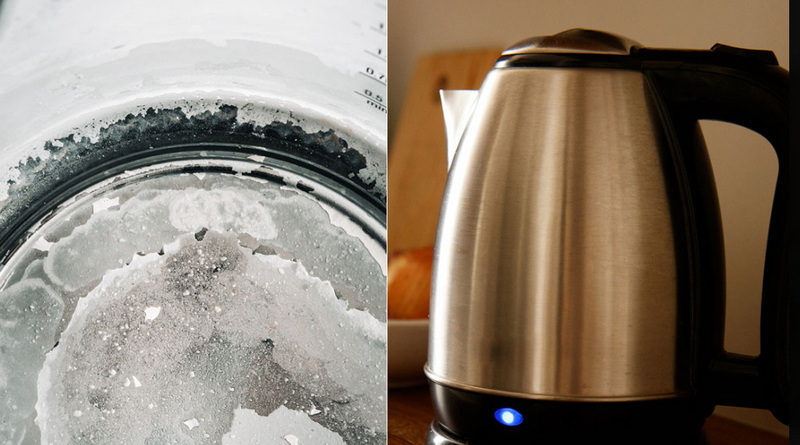
The cleaning methods discussed are generally suitable for stainless steel and plastic kettles. However, if you have a glass kettle, avoid using abrasive cleaners that can scratch the surface.
- Vinegar-Water Solution: Mix equal parts of water and white vinegar, boil, and let it sit for a few hours before rinsing thoroughly.
- Lemon Juice Solution: Use diluted lemon juice as an alternative to vinegar for a gentler approach.
- Follow specific care instructions based on the material composition to avoid damage during cleaning.
When cleaning your electric kettle, it's crucial to follow safety guidelines:
- Unplug the Kettle: Always ensure the kettle is unplugged before cleaning to avoid electrical hazards.
- Avoid Submerging Electrical Components: Never submerge the kettle's electrical components in water.
- Cool Down: Allow the kettle to cool down before cleaning to prevent burns.
Regular maintenance is key to extending the lifespan of your electric kettle. Here are some additional tips:
- Descaling: Regularly descale your kettle to remove mineral deposits, especially if you live in an area with hard water.
- Avoid Overboiling: Only boil the amount of water needed to prevent excessive mineral buildup.
- Clean the Lid and Spout: Regularly clean the lid and spout to prevent residue buildup.
- Washing with Running Water: Avoid washing the kettle with running water, as this can damage the appliance[2].
- Using Abrasive Cleaners: Never use abrasive cleaners or sponges, as they can scratch the kettle's surface[3].
- Soft Sponges: Use soft, non-abrasive sponges to clean the kettle's interior.
- Microfiber Cloths: For the exterior, use microfiber cloths to prevent streaks and scratches.
- Bottle Brushes: Use bottle brushes to reach tight spaces like the spout.
By following these cleaning and maintenance tips, you can significantly extend the lifespan of your electric kettle:
- Regular Cleaning: Regular cleaning prevents mineral buildup and maintains efficiency.
- Proper Storage: Store the kettle with the lid open to prevent moisture buildup.
- Check Filters: If your kettle has a filter, clean or replace it as recommended by the manufacturer.
Removing tea stains from an electric kettle is straightforward and can be achieved using household items like vinegar, baking soda, and lemon juice. Regular cleaning not only maintains your kettle's appearance but also ensures it continues to function efficiently. By following these simple methods, you can keep your kettle in excellent condition and enjoy better-tasting beverages.

No, it is not recommended to use bleach to clean your electric kettle. Bleach can damage the kettle's interior and leave harmful residues.
Clean your kettle every few weeks or whenever you notice stains or mineral buildup. Regular cleaning helps maintain its performance and longevity.
Diluted white vinegar is generally safe for cleaning electric kettles. However, always consult your user manual first to ensure compatibility.
Yes, commercial descalers can be effective, but follow the instructions carefully and ensure they are safe for use with electric kettles.
For stubborn stains, repeat the cleaning process with vinegar or baking soda, allowing them more time to work on tough spots before scrubbing again.
[1] https://www.marthastewart.com/how-to-clean-electric-kettle-8787679
[2] https://www.kent.co.in/blog/precautions-to-consider-when-using-an-electric-kettle/
[3] https://www.healthierhomes.com/post/safest-material-for-tea-kettles
[4] https://geepas.co.uk/blogs/magazine/electric-kettle-maintenance-101
[5] https://www.bhg.com.au/lifestyle/cleaning/how-to-descale-kettle-with-lemon/
[6] https://www.crompton.co.in/blogs/kitchen-appliances-guide/how-to-clean-an-electric-kettle-in-8-easy-steps
[7] https://www.thespruce.com/how-to-clean-electric-kettle-4801958
[8] https://www.businessinsider.com/guides/kitchen/how-to-clean-an-electric-kettle
[9] https://royalelectronicsgroup.com/2021/07/21/electric-kettle-maintenance-tips/
[10] https://mollymaid.ca/cleaning-tips/how-to-remove-limescale-from-an-electric-kettle/
[11] https://www.foodnetwork.com/how-to/packages/food-network-essentials/how-to-clean-an-electric-kettle
[12] https://www.yongkeng.com/what-are-the-best-practices-for-cleaning-and-maintaining-an-electric-kettle.html
[13] https://steepster.com/discuss/4923-electric-kettle-limescale-prevention
[14] https://www.ndtvshopping.com/deals/how-to-clean-and-maintain-your-electric-kettle-for-optimal-performance-7069556
[15] https://www.reddit.com/r/CleaningTips/comments/txw3cg/how_do_i_get_hard_water_deposits_out_of_our/
[16] https://www.goodhousekeeping.com/home/cleaning/a40707243/how-to-clean-electric-kettle/
[17] https://www.reddit.com/r/CleaningTips/comments/iamyjv/made_a_big_mistake_when_cleaning_an_electric/
[18] https://www.reddit.com/r/CleaningTips/comments/16zjfjd/what_are_those_stains_on_my_kettle_and_how_to/
[19] https://moorgen.hk/blogs/moorgenzine/smart-living-5-energy-saving-tips-for-electric-kettles
[20] https://www.bbcgoodfood.com/howto/how-to-descale-a-kettle/


