

Views: 222 Author: Rebecca Publish Time: 2025-02-23 Origin: Site


Content Menu
● 1. The Basics of Electric Kettles
● 2. A Brief History of Electric Kettles
● 3. Types of Electric Kettles
● 4. How to Use an Electric Kettle
● 5. Benefits of Using Electric Kettles
● 6. Maintenance Tips for Electric Kettles
● 7. Safety Tips for Using Electric Kettles
● 8. Innovations in Electric Kettles
● 9. Energy Efficiency and Cost Considerations
● FAQ
>> 1. What is an electric kettle?
>> 2. How do you say "electric kettle" in Spanish?
>> 3. Are electric kettles safe?
>> 4. Can I use an electric kettle for cooking?
>> 5. How do I clean my electric kettle?
Electric kettles have become a staple in modern kitchens, known for their efficiency and convenience. Understanding how to refer to this appliance in different languages can enhance communication, especially for those learning Spanish or traveling to Spanish-speaking countries. In Spanish, the term for electric kettle is "el hervidor eléctrico." This article will explore various aspects related to electric kettles, including their history, types, usage, benefits, maintenance tips, and safety precautions. Additionally, we will include images and videos to enrich your understanding.

Electric kettles are designed to quickly boil water using electricity. They are widely used for making tea, coffee, instant soups, and other hot beverages.
- Definition: An electric kettle is a kitchen appliance that heats water through an internal heating element.
- Spanish Translation: The phrase "electric kettle" translates to "el hervidor eléctrico."
The evolution of electric kettles can be traced back to the late 19th century. The first electric kettle was introduced in 1891 by the Carpenter Electric Organization in Chicago.
- Early Designs: Initially, these kettles took a long time to boil water and lacked safety features.
- Safety Improvements: By the 1960s, electric kettles became safer with the introduction of automatic shut-off mechanisms.
There are several types of electric kettles available today:
- Standard Electric Kettles: Basic models that boil water quickly.
- Variable Temperature Kettles: Allow users to select specific temperatures, ideal for different types of teas.
- Gooseneck Kettles: Feature a long spout for precise pouring, popular among coffee enthusiasts.
| Type | Description | Ideal For |
|---|---|---|
| Standard | Basic boiling function | General use |
| Variable Temperature | Adjustable temperature settings | Tea lovers |
| Gooseneck | Precision pouring | Coffee brewing |
Using an electric kettle is straightforward. Here's a step-by-step guide:
1. Fill the Kettle: Open the lid and fill it with water, ensuring not to exceed the maximum level.
2. Place on Base: Position the kettle on its power base securely.
3. Turn On: Switch on the kettle using the power button.
4. Wait for Boiling: Most kettles will automatically shut off once the water reaches a boil.
5. Pour Carefully: Use caution while pouring hot water to avoid burns.
Electric kettles offer numerous advantages:
- Speed: They boil water faster than traditional stovetops.
- Energy Efficiency: More energy-efficient compared to gas stoves.
- Convenience: Allows multitasking while boiling water.
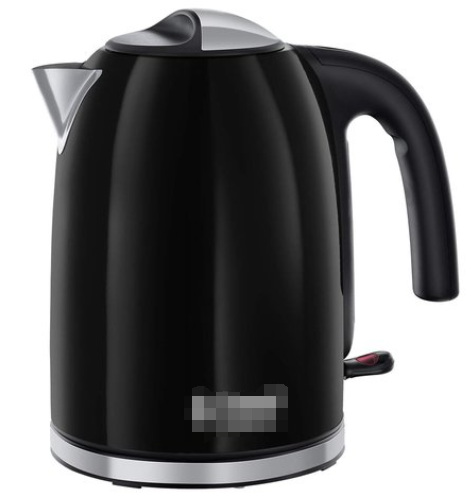
To ensure your electric kettle remains in optimal condition, regular maintenance is essential:
1. Regular Cleaning Is Key: Clean both the interior and exterior regularly to prevent mineral buildup from hard water.
2. Descaling Your Electric Kettle: Use vinegar or citric acid solutions periodically to remove limescale deposits.
3. Avoid Overboiling: Only boil the amount of water you need to prevent mineral buildup and save energy.
4. Keep The Lid and Spout Clean: Regularly clean these areas as they can accumulate residue affecting taste.
5. Check The Filter: If your kettle has a removable filter, clean it according to the manufacturer's instructions.
6. Storage Matters: Store your kettle with the lid open when not in use to allow moisture evaporation.
To ensure safe usage of electric kettles, consider the following tips:
- Always place the kettle on a stable surface.
- Avoid overfilling or underfilling the kettle.
- Do not immerse the entire kettle in water.
- Use oven mitts when handling hot kettles.
The advent of technology has led to innovative features in modern electric kettles:
- Rapid Boil Technology: This feature ensures that users get hot water in a fraction of the time, saving both energy and time[1].
- Precision Temperature Control: Many kettles now offer granular temperature settings for optimal brewing conditions[1].
- Smart Kettle Innovations: Some electric kettles can now be controlled via smartphone apps or voice assistants[1].
Using an electric kettle can significantly impact energy consumption:
- Boiling only what you need each time can save energy costs compared to keeping water warm continuously[3].
- More powerful kettles tend to boil water faster; however, they may also consume more electricity if used inefficiently[3].
Electric kettles have transformed how we prepare hot beverages and foods in our kitchens. Their efficiency and ease of use make them indispensable appliances in many households worldwide. Whether you're learning Spanish or simply looking to improve your kitchen skills, knowing how to say "electric kettle" as "el hervidor eléctrico" can enhance your culinary vocabulary and cultural understanding.
This article has covered various aspects of electric kettles from their history to safety tips and common questions related to their use. By following these guidelines and understanding their benefits, you can make informed choices about incorporating this useful appliance into your daily routine.
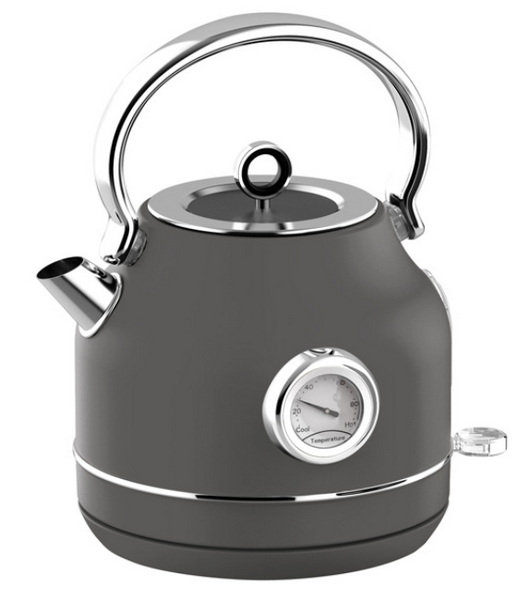
An electric kettle is a kitchen appliance that heats water using an internal heating element.
In Spanish, it is referred to as "el hervidor eléctrico."
Yes, modern electric kettles come with safety features like automatic shut-off and are generally safe when used correctly.
While primarily designed for boiling water, you can use it for instant soups or other quick meals that require hot water.
To clean your electric kettle, fill it with equal parts vinegar and water, boil it, then rinse thoroughly with clean water.
[1] https://ascot-home.com/blogs/news/unveiling-the-secrets-of-electric-kettle-design-where-form-meets-function-sustainable-living
[2] https://geepas.co.uk/blogs/magazine/electric-kettle-maintenance-101
[3] https://www.consumer.org.hk/en/press-release/20131015-5
[4] https://www.tiger-corporation.com/en/jpn/newsroom/press-release/pr_240613_01/
[5] https://www.seriouseats.com/equipment-the-best-electric-kettles
[6] https://sinreen.com/understanding-electric-kettle-technology-how-it-revolutionized-boiling/
[7] https://royalelectronicsgroup.com/2021/07/21/electric-kettle-maintenance-tips/


