

Views: 222 Author: Rebecca Publish Time: 2025-02-20 Origin: Site


Content Menu
● Understanding Power Requirements
● Options for Powering Your Electric Kettle
>> 1. Using Portable Power Stations
>> 4. Low Wattage Electric Kettles
● Safety Considerations When Using Electric Kettles Outdoors
>> Fire Risks
● Alternative Methods for Boiling Water While Camping
● Creative Uses for Your Camping Kettle
>> 4. Sterilizing Water or Equipment
● Maintaining Your Camping Kettle
● Powering Electric Kettles with Portable Power Stations: A Detailed Guide
>> Understanding Power Station Specifications
>> Choosing the Right Power Station
● FAQ
>> 1. Can I use any electric kettle while camping?
>> 2. How long does it take to boil water with a portable power station?
>> 3. What is the best portable power station for camping?
>> 4. Can I charge my portable power station while using it?
>> 5. Are solar generators worth it for occasional campers?
Camping is a wonderful way to connect with nature, but it often comes with the challenge of preparing hot beverages and meals in the great outdoors. For tea lovers, the thought of a camping trip without the ability to boil water for a comforting cup of tea can be daunting. However, with the right equipment and knowledge, you can easily power your electric tea kettle while camping. This guide will explore various methods to achieve this, ensuring you enjoy your favorite hot drinks even in the wilderness.

Before diving into specific solutions, it's crucial to understand the power requirements of your electric kettle. Most electric kettles consume between 600W and 3000W, depending on their design and capacity. Here are some key points to consider:
- Wattage: Know the wattage of your kettle. Common wattages include:
- Low wattage kettles (600W-1000W) are ideal for camping.
- Standard kettles (1500W-2200W) may require more robust power solutions.
- Power Source: Determine what type of power source you have available at your campsite:
- Mains hookup (typically 10A or 16A).
- Portable power stations.
- Solar generators.
Portable power stations are an excellent choice for campers who want to use electric kettles without relying on traditional gas stoves. Here's how to choose and use one effectively:
- Selecting a Power Station: Look for a power station that can handle your kettle's wattage. For example:
- A Jackery Explorer 1000 can support up to 1000W continuously but can surge to 2000W momentarily, making it suitable for low-wattage kettles.
- Boiling Water: When using a portable power station:
- Connect your kettle and monitor the power usage.
- Ensure that the total wattage does not exceed the station's continuous output.
If you're camping in a sunny location, solar generators can provide an eco-friendly way to power your kettle:
- Solar Generator Specifications: Choose a generator with sufficient capacity (e.g., Jackery Solar Generator 2000 Plus) that can handle higher wattages.
- Charging: Use solar panels to recharge your generator during the day while enjoying your outdoor activities.
Many campsites offer electrical hookups, allowing you to plug in directly:
- Understanding Amperage: Campsites typically provide either 10A or 16A connections[1]:
| Amps | Watts |
|---|---|
| 10A | 2300W |
| 16A | 3680W |
- Kettle Compatibility: Ensure your kettle's wattage is compatible with the available amperage. A kettle drawing more than the provided amperage can trip the circuit[1].
If you prefer a simpler solution, consider investing in a low wattage electric kettle specifically designed for camping:
- Features: Look for kettles that draw around 600W to 1000W:
- Examples:
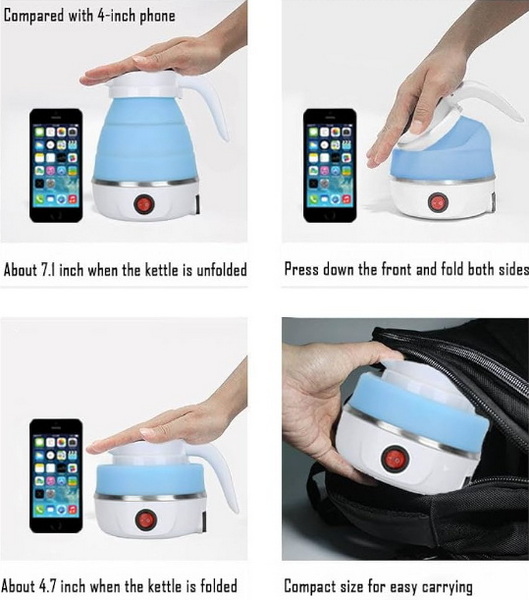
- Quest Collapsible Electric Kettle (750W).
- Outdoor Revolution Low Wattage Kettle (1200W).
These kettles are designed for efficiency and portability, making them ideal for camping trips.
Using an electric kettle outdoors introduces unique safety considerations that are not typically a concern indoors[3]. It's crucial to be aware of these risks and take the necessary precautions to ensure a safe and enjoyable camping experience.
Electric kettles are generally not designed to withstand outdoor conditions such as rain or moisture[3][9]. Using them in wet environments can lead to electrical shocks or short circuits[9]. Most manufacturers explicitly state that their kettles should not be used outdoors due to these risks[9].
- Prevention: Always ensure the area is dry when using an electric kettle outdoors. Avoid using the kettle during rain or in damp conditions[3].
If left unattended or used improperly, electric kettles can pose a fire hazard[9]. The risk increases significantly outdoors where flammable materials like dry leaves and wood may be present[9].
- Prevention: Never leave an electric kettle unattended while it is in use. Keep the area around the kettle clear of any flammable materials[9].
Exposure to the elements, such as rain, dirt, or extreme temperatures, can damage the kettle's internal components and reduce its lifespan[9].
- Prevention: Protect the kettle from the elements. Store it in a dry place when not in use and avoid exposing it to extreme temperatures[1].
Outdoor environments often have uneven or unstable surfaces, which can increase the risk of the kettle tipping over and causing burns or spills[3].
- Prevention: Place the kettle on a flat, stable surface. Ensure the surface is sturdy enough to support the kettle when it is full of water[3].

To maximize efficiency while using an electric kettle in a camping setting, consider these tips:
- Preheat Water: If possible, start with warm water to reduce boiling time.
- Limit Other Appliances: When using high-wattage devices, limit other electrical appliances to avoid tripping circuits[2].
- Monitor Battery Levels: If using a portable power station or solar generator, keep an eye on battery levels to ensure you have enough power for your needs.
If using an electric kettle seems too risky or impractical, there are several alternative methods for boiling water while camping that are safer and more reliable.
Portable propane or butane stoves are designed specifically for outdoor use and can efficiently boil water[9]. They come in various sizes and designs, making them suitable for different camping scenarios[9].
Kelly Kettles are designed for outdoor use and can boil water using natural fuels like twigs or leaves[9]. The Kelly Kettle system is one of the most useful pieces of camping equipment for boiling water quickly outdoors[4]. They are safe and effective in various weather conditions, allowing for rapid boiling without electricity[9]. To use a Kelly Kettle, fill it with water, start a small fire in the base, and drop additional fuel down the chimney[7].
Boiling water over a campfire is a traditional and reliable method for heating water while camping. Use a campfire-safe kettle or pot and place it directly over the flames or on a grill grate[6][10][14].
A camping kettle isn't just for boiling water for tea or coffee; it can also be used in several creative ways to enhance your camping experience[12].
Use your camping kettle to cook simple meals such as instant noodles, oatmeal, or rice. Simply add the ingredients to the kettle with water and boil until cooked[12][15].
Prepare soups and stews by boiling water in the kettle and adding dehydrated or pre-cooked ingredients. This is a convenient way to enjoy a warm, hearty meal while camping[12].
Create a DIY hot water bottle to stay warm on chilly nights. Boil water in the kettle and carefully pour it into a heat-safe bottle or container. Wrap the bottle in a towel and place it in your sleeping bag to provide warmth throughout the night[12].
Use boiling water from your camping kettle to sterilize water for drinking or to clean utensils and equipment[12]. This is particularly useful in areas where water sources may be contaminated.
Proper maintenance is essential to keep your camping kettle in good condition and prolong its lifespan[1].
- Regular Cleaning: After using the camping kettle, clean it thoroughly to remove any residue or mineral deposits. Use a mild detergent and a soft cloth to clean the interior and exterior[1].
- Descaling: Mineral deposits can build up inside the kettle over time, affecting its heating efficiency and service life. Regularly descale your kettle with vinegar or a descaling solution[1][9].
- Proper Storage: When not in use, store the camping kettle in a dry and ventilated place to avoid moisture[1]. Ensure it is clean and completely dry before storing it to prevent mold or mildew growth[1].
Portable power stations have become increasingly popular among campers for their ability to provide a reliable source of electricity in remote locations. When it comes to powering an electric kettle, understanding the capabilities and limitations of your power station is crucial.
Before attempting to use an electric kettle with a portable power station, it's essential to understand the key specifications that determine its compatibility:
- Wattage Capacity: This refers to the maximum amount of power the power station can output continuously. Ensure that the wattage capacity of the power station is higher than the wattage of your electric kettle[5].
- Peak Wattage: Some power stations have a peak wattage rating, which indicates the maximum power they can supply for a short period. This is important to consider, as electric kettles may draw more power during the initial heating phase[5].
- Battery Capacity: Measured in watt-hours (Wh), the battery capacity determines how long the power station can supply power before needing to be recharged. A higher battery capacity allows you to boil more water on a single charge[5].
To estimate how long a portable power station can power an electric kettle, use the following formula:
Run Time (hours) = Battery Capacity (Wh) / Kettle Wattage (W)
For example, if you have a power station with a battery capacity of 500Wh and an electric kettle with a wattage of 750W, the estimated run time would be:
Run Time = 500Wh / 750W = 0.67 hours (approximately 40 minutes)
Keep in mind that this is just an estimate, and the actual run time may vary depending on factors such as the initial water temperature and ambient temperature[5].
When selecting a portable power station for powering an electric kettle, consider the following factors:
- Wattage Output: Ensure the power station can handle the wattage of your kettle. For standard kettles (1500W-2200W), you'll need a more robust power station.
- Battery Capacity: Choose a power station with sufficient battery capacity based on your needs. If you plan to boil water multiple times, opt for a higher capacity[5].
- Portability: Consider the size and weight of the power station, especially if you'll be carrying it over long distances.
- Charging Options: Look for power stations that can be charged via solar panels, AC outlets, or car chargers, depending on your camping setup[5].
To maximize the efficiency of your portable power station when using an electric kettle, consider the following tips:
- Use a Low Wattage Kettle: Opt for a low wattage electric kettle (600W-1000W) to reduce the power draw on the power station[2].
- Preheat Water: If possible, start with warm water to reduce boiling time and energy consumption.
- Minimize Other Loads: Avoid using other high-power devices simultaneously to prevent overloading the power station.
- Keep the Power Station Cool: Store the power station in a cool, shaded area to prevent overheating, which can reduce its efficiency.
Powering an electric tea kettle while camping is entirely feasible with the right equipment and planning. Whether you opt for a portable power station, solar generator, or campsite mains hookup, you can enjoy hot beverages in the great outdoors without hassle. By selecting low wattage kettles and understanding your power options, you'll ensure that your camping experience remains comfortable and enjoyable.
You should choose kettles with lower wattages (600W to 1200W) to ensure compatibility with portable power sources or campsite hookups[2].
Boiling time varies by kettle wattage; typically, low watt kettles take about 6–10 minutes to boil a liter of water[5].
The Jackery Explorer series is highly recommended due to its reliability and sufficient output for most camping needs.
Most portable power stations allow simultaneous charging and discharging; however, this may affect performance if high-watt devices are used simultaneously.
Solar generators are excellent for frequent campers who want sustainable energy sources; however, they may be overkill for occasional campers who don't need extensive power.
[1] https://uk.jackery.com/blogs/buying-guide/camping-kettle-guide
[2] https://www.youtube.com/watch?v=aCPRNgTxqi4
[3] https://www.yongkeng.com/can-i-use-electric-kettle-in-the-cold-outside.html
[4] https://www.kellykettle.com
[5] https://www.youtube.com/watch?v=wBkHOFaVdX8
[6] https://www.shutterstock.com/search/campfire-kettle
[7] https://www.kellykettle.com/how-to-use-the-kelly-kettle
[8] https://www.chappleelectric.com/Know-Before-You-Go-1-Tips-for-Camping-Safety
[9] https://www.yongkeng.com/can-i-use-electric-kettle-outside.html
[10] https://www.istockphoto.com/photos/campfire-kettle
[11] https://www.youtube.com/watch?v=ss-ePJT6tjg
[12] https://campingsecrets.co.uk/creative-cooking-with-your-camping-kettle/
[13] https://skipandjump.co.uk/the-must-know-guide-to-electric-hook-up-ehu/
[14] https://www.istockphoto.com/photos/camping-tea-kettle
[15] https://www.youtube.com/watch?v=Z6ypDgrorqs
[16] https://www.electricalsafetyfirst.org.uk/guidance/product-safety/kettles/
[17] https://www.reddit.com/r/camping/comments/o1cdal/do_you_really_need_a_kettle_when_camping/
[18] https://www.campingandcaravanningclub.co.uk/advice/equipment/electricity-campers-caravanners/
[19] https://www.kent.co.in/blog/precautions-to-consider-when-using-an-electric-kettle/
[20] https://shopeverbeam.com/blogs/news/how-to-boil-water-while-camping-a-beginners-guide
[21] https://www.reddit.com/r/camping/comments/uvu24o/what_are_the_appliances_for_camping/
[22] https://www.everythingkitchens.com/media/manual/01167.pdf
[23] https://www.campingforge.com/blog/guide-to-the-best-camping-kettle/
[24] https://vtoman.com/blogs/news/guide-to-campground-electric-hookups
[25] https://southernpd.com/outdoor-safety-tips/
[26] https://www.tentsandfestivals.co.uk/2015/03/cooking-while-camping.html
[27] https://www.linkedin.com/pulse/electricity-safety-summer-tips-caravans-camping-outdoor-adventures-yxywc
[28] https://www.shutterstock.com/search/camping-kettle
[29] https://www.istockphoto.com/photos/table-camping-kettle-food-and-drink
[30] https://www.youtube.com/watch?v=JgIy1KzbZ6E
[31] https://stockcake.com/s/camping-kettle/31
[32] https://www.walmart.com/c/kp/electric-camping-kettle
[33] https://www.youtube.com/watch?v=0dEdRCs1OYw
[34] https://www.freepik.com/free-photos-vectors/camping-kettle
[35] https://www.pinterest.com/pin/377809856262929272/
[36] https://www.youtube.com/watch?v=fDt4DtPN7rE
[37] https://www.istockphoto.com/photos/coffee-camp-kettle?page=2
[38] https://pt.pinterest.com/pin/pin-de-creative-home--159314905547016993/
[39] https://www.youtube.com/@KettleCamping
[40] https://s00n.rivianstories.com/posts/any-recommendations-for-a-rugged-camping-electric-kettle-for-heating-water


